MARITAL ADVICE LISTS are common to find in Muslim literature and lectures, yet the information is almost always targeted towards women. However, we all know that it takes two to tango – and so here is a list aimed at Muslim husbands in the hopes that they, too, will benefit and be able to improve their relationships.
1. Have taqwa and iḥsân
Know that you are responsible for your end of the marriage, regardless of how the other party treats you. Fulfill your wife’s rights without demanding yours first, and know that you seek Allah’s Pleasure over anyone else’s. Do your job with excellence, and don’t make it conditional. Iḥsân is not merely to worship in the ritual sense, but to conduct oneself in general with an awareness that Allah is Al-Raqîb (the Ever-Watchful), and to fulfill one’s duties in the best of manners.
Then he (Jibrîl) said, “Inform me about iḥsân.” He (the Messenger of Allah) answered, “It is that you should serve Allah as though you could see Him, for though you cannot see Him yet (know that) He sees you.” (Muslim)
2. Respect her
Remember that Allah describes marriage as a bond of love and mercy – love ebbs and flows, but mercy and respect must always be there, even – especially – in times of conflict. Unfortunately, we tend to present respect as a quality that men need (“men need respect, women need affection”). The truth is, however, that one can love someone without respecting them… and this is very, very dangerous. To have mercy and respect one’s wife is to never assume that she exists merely as an extension of you or to serve your needs. To respect her is to honor her, to defend her from harm and others’ accusations, and to have husn al-ẓann of her.
In cases of disagreement, this respect translates as not forcing your own opinion upon her when there is Islamically acceptable room for differences of opinion.
It should go without saying, but unfortunately it bears repeating nonetheless – respecting your wife means never, ever, abusing her, physically or otherwise.
“And of His signs is that He created for you from yourselves mates that you may find tranquillity in them; and He placed between you affection and mercy. Indeed in that are signs for a people who give thought.” [Sûrat Al-Rûm, 30:21]
Even in times of conflict, Allah tells us to behave in the most respectful and gracious of manners:
And do not forget graciousness between you. [Sûrat Al-Baqarah, 2:237]
Abû Mûsa Al-Ashʿari (May Allah be pleased with him) reported:
I asked the Messenger of Allah: “Who is the most excellent among the Muslims?” He said, “One from whose tongue and hands the other Muslims are secure.”[1]
3. Be emotionally intelligent
Empathy, being attuned to the other person’s preferences, learning to understand their personality and responding appropriately without expecting to change them into something they’re not… supporting and respecting each other as both individuals and as a team. The Prophet ﷺ was an emotionally intelligent husband, who knew the differences in his wives’ personalities and interacted with them in a manner best suited to each woman. He comforted Ṣufiyyah when she wept; he had spirited discussions with ʿÂishah (May Allah be pleased with her) and he encouraged Ḥafṣah’s (May Allah be pleased with her) for knowledge.
In a famous narration known as the Hadith of Abu Zarʿ(May Allah be pleased with him) [2] ʿAishah told the Prophet ﷺ the story of eleven women who sat together and described their husbands’ qualities and behaviours. The eleventh woman, Umm Zarʿ, described Abû Zarʿas a man who was extremely generous to his wife, showering her with gifts; who went out of his way to please her; who never rebuked her or verbally abused her; who made sure that she was comfortable and satisfied. To Umm Zarʿ, there was no greater husband than Abû Zarʿ- and the Prophet ﷺ himself told ʿÂishah, I am to you as Abû Zarʿwas to Umm Zarʿ, except that I will never divorce you.
4. Be a True Qawwâm
Know that being a qawwâm is a matter of being a good leader – not authoritarian or a dictator, but someone who inspires love and respect, who treats others with dignity and respect… The popular book 7 Habits of Highly Effective People is a great resource for understanding what good leadership is. There are several excellent Islamic resources discussing leadership lessons from the life of the Prophet ﷺ. [3][4] Strive to embody the Sunnah in your character, not just in how many rakʿahs a day you pray.
ʿÂishah RA described the Prophet thus: “His character was the Quran.”[5] Be the type of husband that a wife describes in such a manner.
Remember that as a qawwâm, you are responsible and accountable for the well-being of your household and those under your care.
The Messenger of Allah ﷺ said:
“Each of you is a shepherd and each of you is responsible for his flock. The amîr (ruler) who is over the people is a shepherd and is responsible for his flock; a man is a shepherd in charge of the inhabitants of his household and he is responsible for his flock…”[6]
5. Be friends before you become spouses
That might sound odd (or not) – but we often put so much pressure on ourselves to fulfill a role (husband/wife), that we forget to get to know each other as friends first. Every marriage will go through ups and downs, intimately and otherwise… and you’ll be surprised to realize how much having a solid, sincere friendship can pull you through the hard times.
One example of RasûlAllah’s “friendship” with his wives is his relationship with Sawdah bint Zamʿah RA. She was the first woman whom he married after the death of Khadijah, and although she was considered to be elderly and not as beautiful as the other women whom he would later marry, their relationship was one of camaraderie, confidence, and laughter. [7]
6. Don’t be embarrassed or ignorant of female biology
Learn about it – from menstruation to female sexuality to pregnancy and everything else. You need to know this stuff – it will impact your life significantly, intimately and otherwise. Don’t laugh it off or act as though it’s not worth your time and attention. Women’s health is sorely misunderstood, and having a disinterested (or worse, disgusted) husband can make things even more difficult for women.
The Prophet ﷺ did not shy away from these matters, either as a husband or as a Messenger of Allah. Instead, he constantly enjoined men to be aware of and sensitive to their wives’ needs – just as he was with his wives.
Narrated Umm Salamah RA:
While I was laying with the Prophet ﷺ under a single woolen sheet, I got the menses. I slipped away and put on the clothes for menses. He said, “Have you got “nifâs” (menses)?” I replied, “Yes.” He then called me and made me lie with him under the same sheet.[8]
7. Be responsible
Being “a good Muslim husband” doesn’t just mean fulfilling the basic rights as a husband and leaving it at that. Being a good Muslim husband means that you are on the ball as a responsible adult – whether it’s paying the bills, taking out the trash, cleaning a mess in the house, or being an engaged father (not ‘babysitting’). Doing these things is not a “kindness to the wife,” or “helping out at home.” It’s not “extra credit” and deserving of lavish praise. It is part and parcel of being a grown man responsible for his surroundings, his family, and himself. Do these things out of mindfulness that Allah will never waste your efforts for His Sake.
Narrated Al-Aswad RA:
I asked ʿÂishah what did the Prophet use to do at home. She replied. “He used to keep himself busy serving his family and when it was time for the prayer, he would get up for prayer.” (Bukhâri)
ʿÂishah RA reported:
I was asked, “What did the Messenger of Allah, peace and blessings be upon him, do in his house?” I said, “The Prophet was a man among men. He would remove fleas from his clothes, milk his sheep, and serve himself.” (Musnad Ahmad 25662)
8. Don’t pursue your nawâfil at the expense of your wife’s farâ’iḍ
One issue that many men fall into is that in their zeal to engage more in ʿibâda, they end up burdening their wives even more – to the extent that she is barely able to pray her five ṣalawât with khushûʿ. Both spouses should encourage and facilitate opportunities for each other to strengthen as Muslims, but mothers of young children especially need their husbands to step up so that they can have the necessary time they need to reconnect with Allah and flourish spiritually. (And no, that doesn’t just mean five minutes here and there.)
Ramadan is a time when this becomes more obvious than ever – for example, many men will go to Ṣalat Al-Ṭarâwîḥ while leaving their wives to deal with the children, in addition to having cooked ifṭâr beforehand. On a daily basis, though, go out of your way to facilitate your wife’s ʿibâda and spiritual connection.
Narrated Abû Juḥaifah RA:
The Prophet ﷺ made a bond of brotherhood between Salmân Al-Fârisi RA and Abû Al-Dardâ’ RA. Salmân RA paid a visit to Abû Al-Dardâ’ RA and found Umm Al-Dardâ’ RA dressed in shabby clothes and asked her why she was in that state. She replied, “Your brother Abû Al-Dardâ’ R is not interested in (the luxuries of) this world.”
In the meantime Abû Al-Dardâ’ RA came and prepared a meal for Salmân RA. Salmân RA requested Abû Al-Dardâ’ RA to eat (with him), but Abû Al-Dardâ’ RA said, “I am fasting.” Salmân RA said, “I am not going to eat unless you eat.”
So, Abû Al-Dardâ’ RA ate (with Salmân). When it was night and (a part of the night had passed), Abû Al-Dardâ’ RA got up (to offer the night prayer), but Salmân RA told him to sleep and Abû Al-Dardâ’ RA slept.
After sometime Abû Al-Dardâ’ RA again got up but Salmân RA told him to sleep. When it was the last hours of the night, Salmân RA told him to get up then, and both of them offered the prayer.
Salmân RA told Abû Al-Dardâ’ RA, “Your Lord has a right on you, your soul has a right on you, and your family has a right on you; so you should give the rights of all those who has a right on you.”
Abû Al-Dardâ’ RA came to the Prophet ﷺ and narrated the whole story. The Prophet ﷺ said, “Salmân RA has spoken the truth.”[9]
9. Learn conflict resolution skills
One big reason that couples end up going to Shuyûkh for counseling is because they simply haven’t learned how to communicate and resolve conflicts in a healthy manner. It’s not even about one specific issue or another; it’s about learning how to deal with whatever issues arise, in the most respectful and appropriate manner possible. [10]
The Quran and Sunnah urge positive reconciliation between believers, and especially between husbands and wives.
“And live with them honourably. For if you dislike them – perhaps you dislike a thing and Allah makes therein much good.”[Sûrat Al-Nisâ’, 4:19]
“And if a woman fears from her husband contempt or evasion, there is no sin upon them if they make terms of settlement between them – and settlement is best. And present in [human] souls is stinginess. But if you do good and fear Allah – then indeed Allah is ever with what you do, Acquainted.” [Sûrat Al-Nisâ’, 4:128]
10. Love your wife for who she is
Not because she’s the person who cooks for you or does your laundry. Not because she’s the mother of your child(ren). Not because you’ve settled into routine and you feel comfortable having her around and she knows how to work the coffee maker and where the family’s paperwork is filed. Love her for her. Her personality traits, her talents, her hobbies, the things about her that make her unique.
Notice them, appreciate them, compliment them. Let her know that you don’t just see her as wife or mother, but as an individual on her own. Know that long before she married you, indeed long before she was born to her own parents, she was created as a separate soul – a human being whose primary identity is as a slave of Allah.
And most importantly – let her know that you love her, with all the pride and openness that RasûlAllah ﷺ demonstrated when he was asked, “Who do you love most?” and he responded, simply and beautifully, “ʿÂishah.” [11]
There are of course numerous other pieces of advice that can be dispensed on the topic – everything from giving gifts to resolving in-law issues to arranging date-nights and so on. However, more important than specific behaviours are the principles behind them – and it these principles which have been highlighted.
In short, Muslim men should strive to match the standards set by RasûlAllah ﷺ when he said:
“The best of you are those who are the best to their wives, and I am the best of you to my wives.”[12]
Zainab bint Younus is a Canadian Muslimah who has been active in grassroots da’wah and writing about Islam and the Ummah for the last nine years. She was first published in al-Ameen Newspaper (Vancouver, Canada) at the age of 14, became a co-founder, editor, and writer for MuslimMatters.org at 16; and began writing regularly for SISTERS Magazine at the age of 19 until today. She also blogs regularly at The Salafi Feminist
Allah intends for you ease and does not intend for you hardship (2:185)
The Rihal on the motorway, which indicates you have entered Makkah
Alhumdu Lillah, I have just returned from my trip to Umrah for the month of Ramadhan. As always an amazing, joyous, marvellous and memorable experience! I thought I would pen down some of my thoughts and recollect my memories and experiences as guidance and advice for the benefit of the Ummah, in sha Allah. Many of the pieces of advice can be used for Hajj as well, as you will read in sha Allah. A wise man once said, “The best gift you can present to someone is good advice.” Feel free to add comments below and make any corrections, I am no expert of Hajj/Umrah or of the Haramayn. This is not a guide to Hajj/Umrah, it is just advice which I feel will help you and lighten your burden hopefully. And there is some fiqh/masail, because I feel knowledge is extremely important, especially in Hajj and Umrah.
Travelling and Hardship
عَنْ أَبِي هُرَيْرَةَ، أَنَّ رَسُولَ اللَّهِ صلى الله عليه وسلم قَالَ “ السَّفَرُ قِطْعَةٌ مِنَ الْعَذَابِ يَمْنَعُ أَحَدَكُمْ نَوْمَهُ وَطَعَامَهُ وَشَرَابَهُ فَإِذَا قَضَى أَحَدُكُمْ نَهْمَتَهُ مِنْ
وَجْهِهِ فَلْيُعَجِّلْ إِلَى أَهْلِهِ
From Abu Hurayrah (Allah be pleased with him) that the Messenger of Allah ﷺ said, “Travelling is a portion of the torment. It denies you your sleep, food, and drink. When you have accomplished your purpose, you should hurry back to your family.” (Muwatta Malik).
Normally, we are in our daily routine, we do the same thing every day. We do not realise things about ourselves, our habits and temperaments etc. When we travel on a journey, especially with others these habits come out. As we can see from the above Hadith, travelling deprives us of our food, sleep and drink etc. We all know what happens when we take a man’s sleep or food away. The quote of Umar (Allah be pleased with him) is famous, how you truly know a person once you have travelled with him.
Umar (Allah be pleased with him) asked about a man who had given testimony, wanting to find out whether anyone could vouch for him. A man said to him: “I will vouch for him, O’ Ameer al-Mumineen, ‘Umar asked, “Are you his neighbour?” He said, “No.” He then” asked, “Did you mix with him for a day and come to know his character?” He said, “No.” He asked next: “Did you travel with him, for travelling and being away from home reveal a man’s true essence?” He said, “No.” ‘Umar said, “Perhaps you saw him in the-mosque, standing, sitting and praying?” He said, “Yes.” ‘Umar said, Go away, for you do not know him.”
Source: ‘Umar ibn al-Khattab His life and times (‘Umar ibn al-Khattab shakhsiyatuhu wa ‘asruhu), Volume 1, page 272-273 Written by Dr. ‘Ali Muhammad as-Sallabi, Translated by Nasiruddin al-Khattab
A very profound saying, when travelling with others, especially in a group, our true colours are revealed through our conduct as:
Much patience is required because people desire & think differently.
Whilst we should neither keep others waiting nor impose our views on the rest, we should be prepared to be delayed by others as that is part of group travel.
We should be ready to serve the rest.
We should abstain from petty complaints.
We must be considerate of others esp. the weak, the elderly & children.
Pray the Travel/Safar Duas and memorise them for the plane and coaches etc.
My advice first and foremost is to select your companions carefully and wisely. He/she should be smart, decisive and sharp. The journey is a blessed one but not an easy one, I like to give a true picture and not make it sound like a walk in the park. At times you have to make difficult decisions on the spot, a good companion will help at such times. People reading this blog will be from different spheres of life, some may never have travelled abroad before. Or they have travelled, but not to Haramayn Shareefayn. It is not like a visit to the local mosque, where you have 200-300 people praying. Brace yourself! You can get pushed in Salah, and knocked about in Tawaf, it can be extremely hot, things go missing and your possessions can get stolen, which I will elaborate on later. Going to such a beautiful and holy place with the wrong companions can sometimes make the whole journey a tedious and terrible one. This is why I have inserted the quote of Umar (Allah be pleased with him) above. Even if they are family members or relatives or old friends, travelling brings out a lot of “true” qualities in a person, Hajj and Umrah expose people to another level, be warned!
Allah tests us in different ways, the greater the trial the greater the reward. It was narrated from Mus’ab bin Sa’d RA that his father, Sa’d bin Abu Waqqas RA, said: “I said: ‘O Messenger of Allah ﷺ, which people are most severely tested?’ He said: ‘The Prophets ﷺ, then the next best and the next best. A person is tested according to his religious commitment. If he is steadfast in his religious commitment, he will be tested more severely, and if he is frail in his religious commitment, his test will be according to his commitment. Trials will continue to afflict a person until they leave him walking on the earth with no sin on him.’” (Ibn Majah)
Hadhrat Sahl Bin Sa’d (Radi Allahu Anhu) narrates that Rasulullah (Sallallahu Alayhi Wa Sallam) said: “Calmness in affairs is from Allah and haste in affairs is from shaytan.” (Tirmidhi)
No matter what happens, do NOT panic. There is always one “panic button” in the group, who makes a mountain of a molehill for every bit of drama. My advice when things go wrong is, “What is the worse that can happen?” Always analyse the situation, and don’t overreact. Remember, you are the guests of Allah, He SWT is the host, and He SWT will not let you down. You are in a different country, there are thousands of people, and the heat can get extreme at times as well. If problems arise or you fall ill, bear in mind your reward is with Allah. The more pain, the more reward.
Preparations
Be ready, mentally, physically, spiritually…
Makkah is the best place on earth and the most beloved to Allah and His Messenger ﷺ. At-Tirmidhi authentically reports in his Sunan (3925) from `Abdullah Ibn `Adiyy (Radi Allahu Anhu) that Allah’s Messenger ﷺ said whilst addressing Makkah: “By Allah! You are the best of the lands of Allah, and the best land of Allah to Allah! And were it not for the fact that I was expelled from you, I would never have left you.”
Rectify your intentions, you are going to Hajj/Umrah to please Allah and fulfil an obligation. Not to show off, therefore try staying off social media and taking pictures at every juncture. This leads to Riyaa (showing off) which is Haraam in Islam and spoils the whole journey. I will talk about photography later on.
The Prophet ﷺ said: “What I fear for you the most is the minor shirk, that is al-Riya (showing off). Allah will say on the Day of Judgement when He is rewarding the people for their actions: Go to those for whom you did Riya for in the world then see if you find the reward with them.” [Related by Ahmad (5/428, 429) and al-Baghawi in Sharh as-Sunnah (4135) from the hadith of Mahmud bin Lubayd, Radi Allahu Anhu, with an authentic chain upon the conditions of Muslim]
Repent from all sins, major and minor. Make a firm intention, when I return I will NEVER sin again. Pray your Qadha Salah or fulfil Qadha fasts beforehand. Remember, Huqooqul Ibaad (rights of servants) and Huqooqullah (rights of Allah). So the rights of servants are fulfilling debts, asking for forgiveness from people who you have hurt and offended etc. Do not merely say sorry, rather make it genuine and have a firm resolution never to hurt anyone again
Look for a reliable tour operator, don’t just ask one or two people. Do thorough research, check online and look at reviews etc. Find out exactly how far the hotels are from the Haram, rather than believe the standard “5 minutes.” See if you can get pictures of inside the hotel online, Mr Google is more useful than some of us can imagine. Ask what sort of food is served. On such a strenuous journey you need to eat well.
As Hajj/Umrah consist of a LOT of walking, whether it is Tawaf or walking to the Haram it is good to be prepared beforehand. Try walking a mile or two daily before you go for Hajj in sha Allah. You will see the benefits, especially for those who don’t exercise regularly.
I was given a list of things to take when I went to Hajj in 2012, Alhumdu Lillah – I have passed the same list to many friends and family over the years who have added and edited the list:
In addition to those above:
Small Qur’an (13 lines are not available in Haram)
Take spare dua books if you can (a few times in tawaf I was asked for books from other Hajis)
Recite Talbiyah as much as possible in the state of Ihram
On the way to Makkah keep reciting first kalimah (tayyibah), at least 1,000 times.
Virtues of Makkah
From the places of virtue that Allah has extolled and mentioned their excellence to the exclusion of others is the city of Makkah: the place of safety, and security, the place where revelation to the Prophet Muhammad ﷺ began, and from where he was appointed as the Messenger to mankind. It is the city which Allah swears by in the Qur’an:
لَا أُقْسِمُ بِهَٰذَا الْبَلَدِ “I swear by this city, Makkah”
وَأَنتَ حِلٌّ بِهَٰذَا الْبَلَدِ “And you, [O Muhammad], are free of restriction in this city.” (Al-Balad: 1-2)
Imam Ibn Katheer (rahimahullah) said: This is an oath of Allah (the Most High) by Makkah “Umm al-Quraa” (the mother of all towns), due to the fact that living in it puts one in a state that indicates the greatness of the city itself wherein the people are in a state of Ihraam, living in a sanctity. Allah stated:
وَهَٰذَا الْبَلَدِ الْأَمِين “And by this city of security (Makkah).” (At-Teen: 3)
Within Makkah is the Ancient House (Al-Bayt Al-`Ateeq) for the worship of Allah alone. It was the first place of monotheistic worship built for mankind. Allah stated:
إِنَّ أَوَّلَ بَيْتٍ وُضِعَ لِلنَّاسِ لَلَّذِي بِبَكَّةَ مُبَارَكًا وَهُدًى لِّلْعَالَمِينَ “Verily, the first House of worship appointed for mankind was that at Bakkah (Makkah), full of blessing, and a guidance for all of creation.” (Aale `Imran: 96)
It the place from where Allah took His Prophet into the Heavens on the night of the Journey. Allah (Most High) said:
“Glorified and Exalted be He above all that they associate with Him who took His slave for a journey by night from Al-Masjid-al-Haraam (at Makkah) to the farthest mosque (in Jerusalem), the neighbourhood whereof We have blessed, in order that We might show him of Our signs. Verily, He is the All-Hearer, the All-Seer.” (Al-Israa: 1)
“There is no city on earth to which all the prophets, the angels, the holy messengers and all the pious servants of Allah, who reside in the heavens and on earth, including the jinn, flocked to, except Makkah.” (Sunan Ibn Majah)
“Around the Ka’bah lies the graves of three hundred prophets.” (Sahih Muslim/Bayhaqi)
“Anyone who falls ill in Makkah for one day, Allah renders his body and his flesh haram (forbidden) from the fire of Jahannam.” (Sahih Bukhari)
Tawaf/Ka’bah
Sayyiduna Abu Umamah (Radiyallahu’anhu) reports that Rasulullah ﷺ said: ‘The doors of the sky open and du’as are accepted on four occasions;
a) When the armies clash in war
b) When rain falls
c) At the time of iqamah [for salah]
d) When looking at the Ka’bah.’
(Al-Mu’jamul Kabir, Hadith: 7713 & 7719 & Sunanul Kubra of Bayhaqi, vol.3 pg.360 with a weak chain. Also see Majma’uz Zawaid, vol.10 pg.155, Nataijul Afkar, vol.1 pg.383-384, Al-Futuhatur Rabbaniyyah, vol.4 pg.369 & footnotes on Musannaf Ibn Abi Shaybah, Hadith: 19861) https://hadithanswers.com/duas-accepted-upon-seeng-the-kabah/
From this Hadith, Ulama deduce when your first sight falls on the Ka’bah your Duas are accepted. Try and find a good spot to sit/stand for a long time so you can make a lengthy Dua (please pray for me too). When walking in Masjid Haram for the first time keep your gaze low so it doesn’t fall on the Ka’bah, once you find a spot sit and make Dua.
Make dua seriously, not half-heartedly. There is a story of Hajjaj ibn Yusuf RH who saw a blind man making Dua in front of the Ka’bah, but he wasn’t paying attention in dua. Hajjaj said to him, “I am going for Tawaf, after seven rounds if your eye sight is not returned I will kill you!” The man panicked and started making Dua passionately and fervently like a man who is drowning! Before Hajjaj finished, the man’s eyesight was returned. Subhan’Allah!
Try to make sure your Ihram is tightly fastened, and use safety pins if necessary. Try not to let the bottom piece drag too low as people tend to step on it (which may lead to embarrassment!). Same for sisters, which is a bit more difficult as women tend to wear more loose clothing and it drags along the floor. But if someone steps on your abayah it can cause a lot of inconvenience especially if you wear the long abayahs from head to toe! All I can say is be careful because in Tawaf you are very close together especially in the Mataf (the area around the Ka’bah). Men should also, use a belt if necessary. Very handy to keep your money in as well.
I love a man with Gheerah/Ghayrat! But we also need common sense with Gheerah (protective jealousy), many men do Tawaf with their wife (ves)! And they form a ring around their womenfolk, which is all good and well, but you can’t do Tawaf right next to the Ka’bah and not expect anybody to push or touch your womenfolk (accidentally), it is sure to happen in those areas. Then some men go one step ahead and push and shove anyone who comes close to their wife/daughter. It is ridiculous! As I said, I admire their Ghayrat, but these couples need to do Tawaf on the outskirts of mataf or on the upper floors, where it is less busy! The Mother of Believers, ‘Ā’ishah (Allah be pleased with her) used to do ṭawāf in an area away from the men, and she did not touch the Black Stone or the Yemeni Corner if there was crowding. It was narrated that ‘Ata’ said:
‘Ā’ishah used to do ṭawāf far away from the men, not mixing with them.” A woman said: “O Mother of the Believers, let us go and touch the Black Stone!” She said: “Go yourself,” and she refused to go.
In my opinion, the best place for women to do ṭawāf is on the roof of the Masjid. Now it may seem like a big distance from far, but I promise you, all it takes is an hour and 10 minutes, to be precise, to complete a ṭawāf, walking at an average pace. Now the Shayṭān may play with your mind and make it seem like a lot. But then ask yourself this…don’t you easily, easily, walk an hour ten minutes in the shopping mall?
Tawaf starts from the area in line with Hajr Aswad (black stone), opposite the black stone there is a green light which can also be used to indicate where the Tawaf starts. In previous times there was a thin piece of marble which went all the way down the Mataf, this also indicated the start of Tawaf as it is good to be precise.
As far as I know, wheelchairs are not allowed in the Mataf for Tawaf. Apparently, now there are scooters available for Tawaf on certain floors.
You can read any form of Dhikr/Dua looking in a book or off by heart in Tawaf or even Qur’an and Surahs you know by heart. If you are reading from a book, it is safer to do Tawaf on the outside, as reading books slow people down. Which doesn’t help people behind you.
When people are on the last Tawaf (seventh one) they struggle to get out of the Tawaf congregation because it is choc a block, especially if you like to do Tawaf close to the Ka’bah. A good tip for you is, as you do the seventh Tawaf start walking out slowly i.e. do the seventh Tawaf on the outskirts of the Mataf. So as soon as you finish, kiss the Hajre Aswad then you can leave the Mataf and pray your two Rak’ahs for Tawaf. Also, stick out your hand as a gesture that you are leaving, not barge your way through as some people do.
Also, the correct method of kissing the Hajre Aswad is to kiss your palms not your fingers as people tend to do. (Women’s guide to Hajj and Umrah – Mufti Faruq Saheb)
The multazam (place of clinging) is the part of the Ka’bah that is between the Black Stone and the door of the Ka’bah. What is meant by iltizam (clinging) is when the supplicant (person making du’aa’) places his chest, face, forearms and palms against it and calls upon Allah saying whatever du’aa’ he wishes. Try not to push and hurt others, and leave room for women too at the Multazam.
There is no specific du’aa’ that the Muslim should say in that place. He can cling to the Multazam when he enters the Ka’bah (if it is easy for him to enter) or he may do that before performing the Farewell tawaaf (tawaaf al-wadaa’), or he may do it at any time he wants. He should not cause difficulty for other people by offering a lengthy du’aa’. Similarly, it is not permissible to crowd other people or annoy them in order to cling there. If he sees a space then he should say du’aa’. Otherwise, it is sufficient for him to say du’aa’ whilst circumambulating and when prostrating in prayer.
It was narrated that ‘Abd al-Rahman ibn Safwaan (Allah be pleased with him) said: “When the Messenger of Allah ﷺ conquered Makkah, I said: I will put on my garments, as my house was on the road, and I will wait and see what the Messenger of Allah (peace and blessings of Allah be upon him) does. So I went and I saw that the Prophet (peace and blessings of Allah be upon him) had come out of the Ka’bah, he and his companions, and they were touching the House from the Door to the Black Stone. They had placed their cheeks against the House and the Messenger of Allah (peace and blessings of Allah be upon him) was in the midst of them.” Narrated by Abu Dawood, 1898; Ahmad, 15124.
Ibn Abbas (Radiyallahu Anhu) narrates that he heard Rasulullah ﷺ say: “The Multazam is a place where duas are accepted. Whenever a person prays to Allah, at this spot, Allah grants his prayer”.[Al-Hisnul-Haseen, Musalsalaat, Virtues of Haj – page 111]
Multazam is that part which is situated between the black stone and the door of Ka’bah. Multazam comes from the Arabic word ‘Iltizaam’ which means ‘to cling on to something’ or ‘to be attached to something’. It is so called because a person should touch his body to this section and make dua.
Imam Abu Dawood reports that Ibn Abbas (Radiyallahu Anhu) would stand up straight here with chest and face against the Ka’bah, arms stretched out above the head, leaning against the Ka’bah. He then said: “I saw Rasulullah ﷺ doing this”.
Shaykh Zakariyya (Rahmatullahi Alayhi) writes: “It was a common experience of every Ustadh of the above Hadith, from my teacher (Hadhrat Maulana Khalil Ahmed Saharanpuri Rahmatullahi Alayhi) to Rasulullah Sallallahu Alayhi Wasallam that they said: “I prayed at the Multazam in the above manner and my prayer was granted”. Shaykh RH writes: “This has also been my personal experience”.
Note: This dua at Multazam should not be made during the Tawaf, otherwise Tawaf will be affected. It is to be made after completion of Tawaf and preferably after praying two rakats Tahiyyatut-Tawaf.
Hasan Basri (Rahmatullahi Alayhi) wrote a letter to the people of Makkah Mukarramah informing them that there are fifteen places in the vicinity of Haram Shareef where duas are accepted (Mustajaab Places)
During Tawaf 2. At the Multazam 3. Under the Meezabur-Rahmah (the water sprout in Hateem, from where the rain water drops off from the roof of Ka’bah). 4. Inside Ka’bah Shareef 5. At the well of ZamZam (after drinking ZamZam) 6. On Safa 7. On Marwa 8. While walking between Safa & Marwa 9. At Maqaame Ibraheem 10. On the plain of Arafaat 11. At Muzdalifa 12. At Mina 13. 14. 15. At the time of pelting the three Shayaateens in Mina. [Narrated in Al-Hisnul-Haseen]
Shaykh Zakariyya (Rahmatullahi Alayhi) writes: “Some Ulama have added a few more e.g.”
– Inside the Mataaf (where Tawaf is made) – When one’s sight falls on the Ka’bah (especially the first time) – Inside the Hateem (the semi-circle around Ka’bah) – Between Rukne Yamami & Hujare Aswad
[Virtues of Hajj – Page 112]
Great precaution needs to be taken when going to kiss the Hajre Aswad, it is a great Sunnah but saving yourself from harming others is Fardh. The same applies to making Dua at the Multazam and going into the Hateeem. Brothers need to be fair to the women in these areas. We can’t just block them out. I wouldn’t advise women to try and kiss the Hajre Aswad during busy periods I saw one woman trying to kiss it in Ramadhan and her Hijab came off or got pulled off… Astaghfirullah! “Prevention is better than cure.” The Multazam area is between the door of the Ka’bah and Hajre Aswad. There is enough room for men AND women if we can be considerate, the same applies in the Hateem to pray Salah and make dua.
“For verily, anyone who touches the Hajre Aswad is cleansed of his sins just as he was on the day his mother gave birth to him.” (Musnad lmam Ahmad)
It helps to wear thin socks when doing Nafl Tawaf (not in Umrah) as it can help your heels, or the leather ankle ones available to buy in Makkah.
Thursday night, the Tawaf usually gets busier than normal. As local people come for Tawaf because of Jumuah
Women should not be praying loud in Tawaf. This year I saw a lady lead her group praying loud, whilst her group repeats after her. Women cannot be Imams! “Be not soft in speech, lest he in whose heart is a disease (of hypocrisy, or evil desire for adultery, etc.) should be moved with desire.”(Surah Al-Ahzab Ayah 32) Second is the Hadith found in “Sahih Bukhari” Narrated Abu Hurayrah (Allah be pleased with him)
‘The Prophet ﷺ said, “The saying ‘Subhan Allah’ is for men and clapping is for women.” (If something happens in the prayer, the men can invite the attention of the Imam by saying “Subhan Allah”. And women, by clapping their hands). Sahih Al-Bukhari Vol #2, Book #22, Hadith #295.
Support for this can be found in the book of Al-Hafidh Ibn Hajar Al-Asqalani “Bulugh Al-Maram” in the tafseer of this Hadith it mentions the clapping is for women because the men should not hear the woman’s voice. (Bulugh Al-Maram: Arabic/English Page # 81 Hadith # 174)
Etiquette of the Masjid/Haram
Avoid sin
The companions Umar (Allah be pleased with him) and Abdullah Ibn Abbas (Allah be pleased with him) would say, “I would prefer to commit seventy sins in Rukyah (a place outside Makkah) than commit a single sin in Makkah.”(Kanzul Ummal)
The evidence of Shari`ah (Islamic Law) indicates that good deeds are multiplied in honourable times, such as Ramadhan, and the first ten days of Dhul-Hijjah, and places like the Two Sacred Masjids (Mosques). They are highly rewarded in Makkah and Al-Madinah, as it is reported in the authentic Hadith that the Prophet ﷺ said: “One Salah (Prayer) in my Masjid (mosque) [i.e. Al-Masjid Al-Nabawy (the Prophet’s Mosque in Madinah)] is better than thousand Salahs in any other Masjid, except Al-Masjid Al-Haram (the Sacred Mosque in Makkah). And one Salah in Al-Masjid Al-Haram is better than hundred thousand Salahs in my Masjid.” (Related by Ahmad and Ibn Hibban through an authentic Isnad [chain of transmission])
Many people tend to leave things in the saff/rows for Salah to reserve their place. This is incorrect. Please see the fatwa below:
Question: What is the ruling regarding reserving one’s position in the front saff between 2 Salahs with one’s scarf, hat or any other item?
Answer:
Assalamu Alaikum,
The Masjid is the house of Allah and is open to all Muslims who come for Salaah. Whoever comes first and sits in a certain place, then he is deserving of that spot. The Fuqaha (jurist) have written that is Makrooh (reprehensible) for one to reserve a place for himself in the Masjid to perform Salaah on that spot. (Kitabul Fatawa vol. 3 pg. 115 – Al Fatawa Al Hindiya vol. 1 pg. 108).
Based on these explanations, it will not be proper (in fact, it will be reprehensible) for one to fix a spot in the first Saff by putting a scarf, hat etc. to reserve it for his own self. It should also be noted that it is Makrooh (reprehensible) for a person to ask another one to get up from his place (in the Masjid) and sit in that place. Abdullah Bin Umar (R.A) narrated that the Prophet (blessings and peace of Allah be upon him) prohibited that one should make another get up from his place and then sit on it.
With respect to if a person was sitting on a spot and then left to attend to a need (to return) when he returns he will be more deserving of that spot. In this regard, Abu Hurairah (R.A) narrated that the Prophet (s.a.w) said, ‘If anyone gets up from his place of sitting and then returns to that spot, then he is more deserving of that spot.”(Abu Dawood – Kitabul Fatawa vol. 3 pg. 113)
Many women like to pray Salah next to men or directly behind them:
The Messenger ﷺ in which he said: “The best rows for men are the front ones and the worst are the back ones, and the best rows for women are the back ones and the worst are the front ones.”
The hadeeth quoted is saheeh, but according to the scholars it is to be interpreted in this manner, which is when there is no barrier between the men and women. But if they are screened from the men, then the best rows are the front ones and the worst ones are the back ones, just as is the case with men, and they have to complete the front rows first, then the next and so on, and close the gaps, just like men, because of the general meaning of the proven hadeeth from the Messenger of Allah (blessings and peace of Allah be upon him) concerning that. May Allah help us all to do that which He loves and which pleases Him.
Walking in front of someone praying Salah
If you are in Tawaf it is okay to walk in front of someone praying Salah, other than that the ruling is the same i.e. you are not allowed to walk in front of someone praying Salah. I understand at time it can be difficult to get out, but we must still walk with precaution. As both the Masjids in the Haram are large Masjids, you can leave two rows in front of the one praying and cross over. But never walk directly in front of someone praying Salah if they are praying alone; Sunnah/Nafl.
This hadeeth – i.e., the hadeeth narrated by al-Bukhari (487) and Muslim (505) from Abu Sa’eed al-Khudri (Radiyallahu Anhu) says “If any one of you is praying, he should not let anyone pass in front of him. Let him push him away as much as he can, and if he insists then let him fight him, for he is nothing but a shaytan (devil)” – indicates that it is makrooh to pass in front of a person who is praying if he is praying on his own and without a sutrah. The same ruling applies to the imam if he is praying without a sutrah. But with regard to the person who is praying behind the imam, it does not matter what passes in front of him, just as it does not matter what passes in front of the imam or person praying alone if it passes behind the sutrah. The sutrah of the imam is also the sutrah of those who are praying behind him.
We say this concerning the imam and the person who prays alone, because the Prophet ﷺ said, “If any one of you is praying…” According to the scholars, this means praying on his own, because of the hadeeth of Ibn ‘Abbas (Radiyallahu Anhu). Hence we say that the person who is praying behind the imaam does not have to push away the person who passes in front of him, because Ibn ‘Abbas (Radiyallahu Anhu) said: “I came along riding on a female donkey one day when I had just reached the age of puberty. The Messenger of Allah (peace and blessings of Allah be upon him) was leading the people in prayer in Mina, without any kind of wall in front of him. I passed in front of part of the row, then I got down and sent the donkey to graze, and joined the row, and no one rebuked me for that.” (al-Tamheed, 4/187)
Drink Zamzam and drink to your full, remember duas are accepted when drinking Zamzam so make dua EVERY time for yourself and for others (and please remember me). For further info on Zamzam click this.
Prophet ﷺ said: “The water of Zamzam is for whatever purpose it is drunk for.”(Reported by Ibn Maajah, 2/1018; see Al-Maqasid al-Hasanah by al-Sakhaawi, p. 359).
Photography is totally forbidden in the Masjid. Scholars have given a fatwa permitting video and photography for da’wah purposes and others have said digital images are okay. But the stronger and preferable view will always be to abstain from such things, as it can be a reason for a lack of sincerity and showing off on social media. Most of these actions lead to showing off, the Prophet warned us about this:
The Prophet ﷺ said: “Shall I not inform you of what I fear for you more than the Masih ad-Dajjal? It is the hidden shirk. It is when a man stands up for prayer, then beautifies his prayer for another to look at.” [Related by Ibn Majah (2604) from the hadith of Abu Sa’id al-Khudri, radiallahu ‘anhu. The hadith is hasan]
Are you going to Hajj for Allah or for Facebook friends?!
I was really strict this Ramadhan and I actually stood in the way of people taking photos (my Jihad against selfies!) because I received a talk from a scholar of Pakistan, Mufti MahmoodulHassan Shah Mas’oodi Saheb who said:
“Shaykh Abdul Rehman al-Huzayfi (hafdihahullah) – Imam of Masjid Nabwi SAW- gave a Khutbah after Dhuhr Salah (normally there are no Khutbahs after Salah, apart from Jumuah), he told the people to stop taking photographs in the Haram as this causes takleef/inconvenience to Allah SWT and his Prophet (peace and blessings of Allah be upon him), you hurt the angels! Do you want to be cursed? I stand for Salah as the imam, you take your mobile phones out! The muaddhin gives adhan, you take your phone out! People were crying, it was a long Khutbah. After Asr Salah someone explained to us the reason for the Khutbah. He had a dream of the Imam of the Prophets, The beloved of Allah, The leader of creation ﷺ blessed me with his presence in a dream and informed me, “Tell people to stop taking photographs as it hurts me, it breaks my heart.”
Mufti Mahmood saheb explains the enemies of Islam hurt the Prophet (blessings and peace of Allah be upon him), but how can we as the Ummah of the Prophet ﷺ hurt him or cause him pain?
I was once with Dr Abdul Salam Saheb, who is my Shaykh from Pakistan. We were together in Madinah, we came out of the Masjid. Once we had walked a fair distance, an alim who was residing in Madinah said to my beloved Shaykh, “This place is blessed, beloved, very virtuous and lofty in status. But, many people come here then leave and their Iman leaves with them. Because of the sins they do and takleef they cause people.” Allah shows his pious servants and His friends such things through the eyes of the heart!
Now, ask yourself is social media and photography that important? It is like the iPhone is the new Qibla and Snapchat is the new Qur’an. People tend to look at them more, sadly. Please avoid taking a smartphone if there is no need.
Ismail ibn Nazir Satia (One who is in dire need of Allah’s forgiveness, mercy and pleasure)
The heart ❤️ of Islam, the resting place of al-Habeeb (SAW),
This is Madinah, whisper softly.
Clouds ☁️ of mercy envelope you in the day, the black starry ⭐️ sky wraps you at night,
Here rests the Lantern of Guidance who spread his white shimmering light,
This is Madinah, whisper softly.
The Sultan of Madinah, the Prince of Arabia, the Jewel of Islam, Imam of the Prophets, Leader of Mankind,
You fulfilled the Amanah, you passed on the message (of Islam), only those rejected who were blind,
This is Madinah, whisper softly.
Light upon light, mercy upon mercy, bounty upon bounty, blessings upon blessings, grace upon grace,
Ya RasoolAllah! Remove the veils and grant us sight of your glorious face.
This is Madinah, whisper softly.
You are a bandage for the wounded,
Your generosity leaves us dumbfounded,
You are the ointment for the sick,
You united your companions, like a building brick by brick,
This is Madinah whisper softly.
AbuBakr RA, Umar RA, Uthman RA, Ali RA,
They were those who after you guided rightly,
All your companions shone like stars ✨ bright,
Through your teachings, they attained great heights.
You called us “your brothers”, but from the right path we have strayed,
O Muhammad! (SAW) forgive us for the brotherhood we have betrayed,
We are indebted to you, not an ounce we have repaid,
Our deeds are shown to you full of sins and vice, mistakes have been made,
We seek your pardon from this day forward we will make up for the deeds that have been delayed,
Reignite your love, quench our thirsty souls, before our Iman fades.
I sit here under the green dome pondering for a while,
How wonderful was your smile,
How beautiful it would be to see you in Salah lead,
Recite the Quran eloquently and read,
To watch your companions weeping and taking heed,
It was here Islam was planted and you sowed the seed.
Oh! How I wish I was a pigeon flying over your dome just to be blessed with your company,
Rather, I deserve to be just a wing or a feather.
Perhaps I could have been a tree to give you shade when you rested,
Nay! A branch or leaf ? would have sufficed.
Let the soil of Madinah be the Surma for my eyes,
These eyes have no purpose if for you they don’t cry.
I have an earnest request to be close to you, to be your beloved friend,
Let the last chapter of my life finish and end,
In this holy city let me spend,
My final breath, my last moments, from here let my soul ascend.
Let my soul be taken in this sanctified place,
Grant me in al-Baqi a shroud and space.
So I may attain his Shafa’ah,
The day I need it most on Qiyamah.
(Final plea) O Allah! If you have to take me to account on Qiyamah,
Please do it away from the gaze of Mustafa SAW.
It was narrated that Anas bin Malik (Allah be pleased with him) said:
“The Messenger of Allah (ﷺ) said: ‘None of you truly believes until I am more beloved to him than his child, his father and all the people.'” (Ibn Majah)
The tall, towering Kabah, welcomes all of humanity.
It was in this mountainous city, it was amongst a tribal nation, a light was born,
The noor from Allah and finally the curtains were drawn.
The city is blessed; from an army of elephants ? it was protected,
Darkness turned to light when Muhammed SAW was selected.
Oh Muhammad (SAW), the pain you endured. Oh the most perfect creation.
Your elegance, your sanctity, your endless magnanimity.
O Kabah! O house of Allah! O beautiful Haram!
Your elegance, your sanctity, your endless magnanimity.
May my mother and father be sacrificed for you both.
So solemnly you stand, so peaceful in tranquility,
May your greatness extend till forever and ever, till eternity.
Not a bird can fly over you nor any planes,
Your serenity and dignity is not defeated by these looming cranes.
Every night and every day,
120 levels of mercy descend your way.
60 upon those doing tawaf,
40 upon those in Salah,
20 upon those gazing at you lovingly.
Not a single soul here is deprived.
Echoes of Talbiyah can be heard, let this Sunnah be revived.
I gaze above, my head I raise, thousands upon thousands crowded, multicoloured, multicultural flowing in multitudes circumambulating this holy place.
All walking, praying, chanting in different languages at a different pace.
Some with speed, to increase their deeds,
Whilst others steady on, looking out for each and every one.
Muslim unity can be seen all around,
Different languages, dialects, colours and castes, all under one awe-inspiring mast.
Lebanon ??Turkey ?? India ?? Pakistan ?? Nigeria ??…
Indonesia ?? Malaysia ?? Australia ?? and Algeria ??
Towards my right clinging on to the Multazam,
Begging Allah, waiting for the mercy to come.
As I look behind me,
I see the well of Zamzam which will flow till eternity.
Some sipping their cups and some filling their jugs,
Completing Tawaf and ending Umrah with smiles and hugs ?
Mubarak ho! Hayyakymullah! TaqaballAllah can be heard!
Allah accept every step and every word.
This poem was written to inspire and increase our love for the Haramayn Shareefayn, to instil its beauty and dignity in our hearts. Allah accept my efforts and reignite our love for the holy lands.
By Shaykh-ul-Hadīth, Hadrat Mawlānā Muhammad Saleem Dhorat hafizahullāh
A person’s final moments are dependent on how he spent his life, what he lived for and what his heart remained engrossed in. Accordingly, if a person lives a life of disobedience to Allāh ta‘ālā and is preoccupied in worldly pursuits, his last moments will be whilst engaged in such activities. Similarly, a person living a life of obedience to Allāh ta‘ālā, in His remembrance and in striving for His Pleasure, will find his final moments in acts beloved to Allāh ta‘ālā. Many incidents are recorded in history which bear testimony to this fact, prompting us to reflect on our current state and creating a concern regarding our own preparations for departure from this world.
Shaykh-ul-Hadīth, Hadrat Mawlānā Muhammad Zakariyyā rahimahullāh has quoted a number of incidents:
• Rabī‘ ibn Bazzah rahimahullāh has narrated that a person was in his last moments and the people present encouraged him to recite the kalimah lā ilāha illallāh, but he kept repeating (indicating to a glass of wine), “You drink and also give me one.”
• Another person was in his final moments and the people around him were repeating the kalimah lā ilāha illallāh to prompt him, but he kept saying, “Ten ten rupees, eleven eleven rupees, twelve twelve rupees.”
Hadrat Muftī Muhammad Shafī‘ rahimahullāh has narrated:
• A salesman used to be always occupied in his business ventures, so much so that performing salāh and other acts of worship would never come to mind. During his final moments, people encouraged him to recite the kalimah lā ilāha illallāh, but his end came with him continuously mentioning and calculating his business transactions.
• An incident of another person who remained busy in his worldly pursuits, led to him in his final moments continually saying, “Have you fed my donkey.”
In contrast, we find amazing incidents of pious people who lived a life of piety, engaged in the obedience to Allāh ta‘ālā and toiling for His Pleasure, leaving the world in a manner which leaves us in amazement and wonder.
‘Umar ibn ‘Abd-ul-‘Azīz rahimahullāh is well known for his piety and steadfastness on Dīn. He established justice to such a degree, that the Ummah recognise him as the fifth rightly guided caliph. Many people were gathered around him when his final moments drew near. As he began to cry, someone consoled him and asked, “Why are you crying? Allāh ta‘ālā has revived the Sunnah and established justice through you.”
Hearing this he began to cry more and said, “Will I not be questioned regarding the rights of the people?” He then went on to say, “O Allāh! You commanded me with certain things regarding which I remained imperfect, and you prohibited certain things from which I couldn’t restrain myself, but O Allāh, I bear witness that You are One, Who has no partner and there is none worthy of worship except You.” He then requested all to leave him except his attendant saying there are such creations before him who were neither jinn nor human. After everyone had left, he left this mortal world after reciting the following verse of the Glorious Qur’ān:
This is the home of the Ākhirah, which We shall assign to those who do not desire pomp on earth nor corruption. The (best) outcome shall be for those with Taqwā. (28:83)
The great muhaddith Abū Zur‘ah rahimahullāh was an imām in the field of hadīth. Imām Ahmad ibn Hanbal rahimahullāh states regarding him that he knew 600,000 ahādīth. When his final moments came, the ‘ulamā present began discussing how they should encourage him to recite the kalimah, as they felt it was disrespectful to address him directly. They decided to narrate a hadīth in his presence. One person initiated the hadīth with, “Dahhāk ibn Makhlad narrated to us from ‘Abd-ul-Hamīd ibn Ja‘far who narrated from Sālih”. He then stopped at this point. Hearing this, the great muhaddith began narrating the hadīth saying, “Bundār narrated to us that Abū ‘Āsim narrated to him that ‘Abd-ul-Hamīd ibn Ja‘far narrated to him that Sālih ibn Abī ‘Arīb narrated to him that Kathīr ibn Murrah Al-Hadramī narrated to him that Mu‘ādh ibn Jabal radhiyallāhu ‘anhu narrated that Rasūlullāh sallallāhu ‘alayhi wasallam stated, ‘Whoever’s last words are lā ilāha illallāh….’.” He then passed away. The full hadīth is, ‘Whoever’s last words are lā ilāha illallāh will enter Jannah’. By departing in this manner, he practically demonstrated the glad tiding mentioned in this hadīth. What an amazing death Allāh ta‘ālā granted him!
These few incidents are a mere drop in the ocean from the many great and amazing final moments Allāh ta‘ālā has granted His special servants, who made acquiring His Pleasure the objective of their lives. The thought should not cross our minds that these were great people of the past who achieved such heights. Even in this age, Allāh ta‘ālā does not deprive His servants who lead a life of servitude to Him and remain steadfast in their duties and obligations to Him.
Just this month, my very dear and close friend in Barbados, Dr. Muhammad Shafee Nagdi, left this mortal world. May Allāh ta‘ālā grant him forgiveness for any shortcomings and elevate his status in the hereafter and resurrect him with the Ambiyā, the Siddiqīn, the Shuhadā and the Sālihīn. Āmīn.
Dr. Muhammad Shafee Nagdi was my host whenever I visited Barbados and was very affectionate towards me and showed me much love and affection. He was very respectful towards the ‘Ulamā and Mashāyikh and would endeavour to serve and bring comfort to them. Almost all the prominent Mashāyikh who visited Barbados during his lifetime have been his guests and his manner and behaviour towards them was such that he would win their hearts. I was very saddened and experienced much grief upon the news. However, when his sons narrated to me the details of his final moments, I was wonderstruck and experienced immense happiness for the way Allāh ta‘ālā called him to his final abode.
Dr. Muhammad Shafee Nagdi was very steadfast and punctual with his a‘māl and ma‘mūlāt (prescribed practices). He would for the last forty years wake up for tahajjud and complete his ma‘mūlāt. In the last few years he was not very mobile, yet he remained punctual regarding his daily practices. Even in a poor state of health, he would normally wake up around 1am and engage in tahajjud salāh, dhikr and du‘ā until the beginning time of Fajr and then perform his Fajr. Thereafter, he would recite Sūrah Yāsīn and one juz from the Qur’ān. He would then awaken his wife and son for Fajr salāh.
His son, Rafeeq, narrated to me that during his father’s last night in this world, as per his usual practice he attended to his father at 1am to assist him to perform wudū and seat him in his chair for tahajjud, thereafter returning to sleep. Later in the morning, he was not awakened by the call of his father, but his mother. Worried, he got up and went to see his father to find that he had, at some point during the night, departed for the hereafter. This in itself was a great honour, that he had left this world whilst engaged in worship. However, the detail mentioned by his son is more amazing. He said that he found his father in the condition that the Qur’ān was still open and in his father’s hands. This means, according to his regular practice, Dr. Shafee must have performed his tahajjud salāh, completed all his ma‘mūlāt, performed his Fajr salāh, recited Sūrah Yāsīn and also the Qur’ān. Furthermore, when his son looked at the Qur’ān, it became apparent that he was on the last page, which indicated that he had just completed the Qur’ān. Subhānallāh! What a praiseworthy final moment Allāh ta‘ālā granted my beloved friend!
It is evident that, when a person makes Allāh ta‘ālā his objective and lives a life striving to acquire His Pleasure, then his final moments will be in the same state. We should take lesson from such incidents and reflect on how we are leading our lives, so that we can mend our ways by sincerely repenting from a life of negligence and adopting a life of piety and devotion.
May Allāh ta‘ālā grant us all the tawfīq to live such a life that we breathe our last when we are engaged in acts that are most beloved to Him, so that we depart with His Forgiveness, Mercy and eternal Pleasure. Āmīn.
We should all prepare a place in our hearts and minds where we can accommodate all the current tragedies and then further disasters which will sooner or later come to our lives, but this is an economy that few people care to practice.
I’m not trying to be pessimistic. Our Prophet ﷺ was not seeking forgiveness all the time because he was a sinner, and neither did His Lord command him regularly to be patient because his entire life was a completely unrelenting tragedy.
It wasn’t.
But it would be a real tragedy for *us* if we were only to think that to be in a blessed state of humbling ourselves before Allah, or to be told to be patient, is only applicable when we are in a bad moment, or a rut in life, or a mid-life crisis.
Patience is realism. It is understanding that whatever we are experiencing at the moment – whether we perceive it to be good or bad – is all ultimately a test on whether you stay *real* or not, whether you correctly attribute the blessings you can and cannot see, to the One who gave them to you. And thank Him for them regardless.
That’s why being patient and worshipping your Lord in a consistent, deep, quality manner during your good times is far more difficult than in the bad times. You can’t see the problem. You can’t feel the grief you need to be patient with. The heart doesn’t feel enough pain to kick in the patience reflex. You don’t feel the need to thank Allah because things are so good “without Him”.
That’s why Shaykhul Islam Ibn Taymiyyah (Allah have peace on him) termed this type of patience the more challenging and the more rewarding. Think about it: the majority of the world’s population have failed in this type of patience. And worse, Allah tells us that He continues to bless them with the dunya and good times and that they’ll continue in their heedlessness and leave this life whilst actually being content with their disbelief.
That is why when we see those who have been blessed with so much in this life and yet they still preserve their values, their Deen, their thanks to their Creator, and their thanks and connection to the normal folks around them, then we still call this “patience” even though it may not seem so. And what do we say about this person? “He still keeps it *real*.” That’s why patience is a permanent state we must incorporate in our lives, and we must create that space where we are always alert and aware. As I said, patience is realism.
This is thus the development of patience. This is why anyone who truly understands patience, has truly understood Islam, reality, and life itself.
#ProtectThisHouse Shaykh Abu Eesa Niamatullah
سئل الإمام أحمد بن حنبل : ألم تصدك المحن عن الطريق ؟!
قال : والله لولا المحن ؛ لشككت في الطريق ..!
ان الله لا يبتليك بشيءٍ إلا كان خيراً لك .. وإن ظننت العكس ..!
أرح قلبك .. فلولا البلاء لكان يوسف مدللاً في حضن أبيه ..
ولكنه مع البلاء صار عزيز مصر ..!
ومن المنفى رجع موسى نبيا…!!!!
ورجع سيدنا محمد من المهجر سيد الخلق فاتحا..!!
أفيضيق صدرك بعد هذا ؟!
كونوا على يقين أن هناك شيءٌ جميلٍ ينتظركم بعد #الصبر
ليبهركم وينسيكم مرارة الألم
Imam Ahmed was once asked: ‘ did your trials not stop you from keeping steadfast on His ( Allah’) path? ‘
Imam Ahmed replied: ‘ if it were not for my trials I would have doubted this path, Allah only tests us with what’s good for us, even if we think otherwise’.
Put your heart at ease… if it were not for trials Prophet Yusuf AS would have been spoilt in the arms of his father but his trials made him the Chief of Egypt!
And out of exile musa AS returned a Prophet!
And Prophet Muhammed return from Hijrah a messenger to the whole of creation, opening Mecca and many other cities.
Never have doubt that what befalls us maybe better for us and what never doubt that something beautiful awaits with patience….
All praise for Allah, may peace and blessings be upon our noble master Mohammed sallalaho alayhi wasallam, upon his pure family his noble companions and all those who follow them until the day of judgement.
Respected readers, what I would like to discuss here inshallah is an issue which causes a lot of controversy, that is the issue of usage of weak ahaadith. We have some people who go the extreme of saying that weak ahaadith should be rejected entirely. I will state the obvious here, and mention that other that the sahihayn (Bukhari and Muslim) every other book of hadith, be it the sunan of Imam Tirmidhi, Imam Abu Dawud, Nasai, Ibn Majah, Bayhaqi, the mustadrak of Imam Haakim, musannaf of Imam ibn Abi shaybah and others all contain some weak as well as sahih ahaadith.
What we must understand is that there is a difference between a weak and a fabricated hadith but unfortunately and sadly we have certain ignorant people who don’t differentiate between the two. They treat a weak hadith like a fabricated hadith and totally disregard it. I am not saying for a second that fabricated ahaadith should be entertained, we all know the severity of attributing a lie to the messenger of Allah sallalaho alayhi wasallam who himself said ‘whoever attributes a lie to me has reserved his space in the fire of hell’ (Bukhari).
Some people who are even regarded as scholars have this attitude that weak ahaadith should not be used at all, and if this approach was adopted then the majority of the books of hadith would be rendered useless and only Bukhari and Muslim could be applied thus making life extremely difficult.
The majority view of the ulema is that a WEAK hadith is permissible for usage in non-fiqh issues. The following are some great scholars who hold this view : Imam Nawawi, Ibn Salah, Sufyan Thawri, Ahmed bin Hanbal, Ibn uyaynah, Ibn Mubarak, Ibn mahdi, ibn ma’een, khateeb Baghdadi, Bukhari, mullah Ali Qari, ibn Hajr al Asqalani, ibn Taymiyah, ibn Qayim, imam Sakhawi, abu Dawud.
Even Imam Bukhari RA himself has compiled weak narrations in his book ‘Al Adab Al Mufrad’ which shows that he accepted weak narrations in regards to virtues of good deeds, so we can see here that the majority of muhaditheen accepted the usage of weak ahaadith and did not have this attitude that the salafis of today have.
I will now present work from none other than imam Ibn Taymiyah RA from his famous book ‘al qaedah jaleelah fit tawassul wal waseelah.’ The reason I chose to use Ibn Taymiyah RA on this occasion is because those people today who like to reject weak ahaadith and condemn others for using them are those who use Ibn Taymiyah RA as a reference and would always accept any ruling of his without hesitation.
The imam states:
“But Ahmad ibn Hanbal and other scholars permitted the narration [of hadith] regarding the virtues of good what is not sure as long as it is not known that it is a lie.” [laakinna Ahmad ibn Hanbal wa ghayruh min al-‘ulama jawwazu an yurwa fee fada’il al-‘aamal maa lam yu’lam annahu thaabit idha lam yu’lam annahu kadhib.]
Ibn Taymiyya goes into a full chapter of discussion of this subject from here, Chapter 8 of “al-qaida al-jaleela fit-tawwasuli wal-waseela“, where he presents the views of the majority of the ‘ulama of Islam and he presents his own views of the subject. And here we will examine this in detail.
To continue, Ibn Taymiyyah RH says, in para 478:
“and that is the action which is known to be lawful with a shari’ah evidence, and there has been narrated in its virtue hadith that is not known to be a lie, it is possible that the reward will be true and none of the Imams have said that it is permissible to consider something required [waajib] or recommended [mustahabb] by way of a weak hadith, and whoever said so differed from the consensus [ijma’a].”
So here we see that Ibn Taymiyah RA is explaining that if there is a hadith, even though it has not been judged to be authentic, if it encourages what is known as a good deed in Islamic shari’ah, something of virtue, a praiseworthy action, or idea, then it is fully acceptable to refer to such a hadith as an encouragement for that deed.
And here also, Ibn Taymiyah RA refers to the ijma’a, the consensus, which is a clear reference to the concept of ijma’a of scholars of Islam as being a fully accepted concept and one which *he* accepts. And this is a clear proof that Ibn Taymiyah RA, though he considered himself a mujtahid mutlaq, capable of independent reasoning, nevertheless depended on the consensus [ijma’a] of scholars as a proof for the opinions he considered acceptable. And this is the position of Ahl as-Sunnah wal-Jama’at.
Then he continues in para 479:
“And just like it is not permissible to forbid something without a shari’ah evidence, [daleel shar’ee] but if it something is known to be forbidden and a hadith has been narrated in warning the one who commits such an action, and it is not known that it is a lie, it is permissible to narrate it. And it is permissible to narrate it in the manner of encouraging and discouraging [at-tarheeb wat-targheeb] what is not known that it is a lie. but in what is known that Allah has encouraged or discouraged with another evidence besides this [weak] hadith whose authenticity is unknown [majhoul haaluh].”
So from this we see that Ibn Taymiyah RA is using the weak hadith [ahadith da’eef], to discourage people from doing an evil deed, as long as this deed is known to be forbidden in the shari’ah. If the deed is forbidden in the shari’ah, it is acceptable to use a hadith whose authenticity is unknown, as long as the hadith is known not to have been an actual lie. This principle is acceptable, in anything that it is known that Allah expressed its forbiddance. Ibn Taymiyah RA continues to explain this concept in para 480:
“This is like the [situation] of the Isra’iliyyaat [stories related by the Jews]. It is permissible to be narrated as long as we know that it is not a lie, for encouraging or discouraging in what we know that Allah has ordered in our law [shar‘] or forbade in our law [shar‘].”
Here we see that Ibn Taymiyah RA is not only accepting that the weak are acceptable in the case of encouraging good deeds and discouraging evil ones, but he is showing clearly that he accepted the use of Isra’iliyyaat, stories related from the Jews, which many Salafis reject today as unacceptable. And this is verified in the hadith of the Prophet (saws), “narrate from the hadith of Bani Isra’il and there is no harm in doing it.”
So respected brothers and sisters, we see from the above evidences that Imam Ibn Taymiyah RA himself accepted the usage of weak ahaadith, I ask those salafi brothers who love to insult the likes of hazrat Moulana Zakariyyah RA because of his usage of weak ahaadith, will you now refute and condemn your own imam on the same grounds?
May Allah give us all the ability to understand the deen in its entirety, Ameen.
I have a question regarding the text Faza’il – e – A’maal by Shaikhul Hadith Maulana Muhammad Zakariyya Kaandhlawi. From many I’ve heard that this text contains many weak hadiths and should not be read for the hadiths all are not saheeh. Is this correct? If so, please explain if this text would be appropriate to read and are the hadiths with strong chains?
Answer: Assalamu alaykum
In the name of Allah most Gracious Most Merciful.
Along with many sahih hadiths, Fada’il A’mal is also known to contain a number of weak hadiths. In fact many of the great hadith collections contain weak hadiths. This is the case with Sunan al-Tirmidhi, Ibn Maja, al-Bayhaqi, al-Mustadrak of Imam Hakim, Mishkat al-Masabih, al-Tarqhib wa al-tarhib, etc. Besides these, popular works such as the Ihya ‘ulum al-din of Imam Ghazali is one in which Allama ‘Iraqi has judged many hadiths to be weak. However, these works have been overwhelmingly accepted by the majority of traditional scholars of Islam throughout the centuries. Furthermore, despite the rigorous authentication of the Sahih of Imam Bukhari, his other works such as al-Adab al-Mufrad and Juz’ al-qira’a khalf al-imam contains many weak narrations.
What we understand from this is that it is not a crime to relate weak hadiths, as some like to advocate. Individuals have risen in the last century who have attempted to “purify” the books of the pious predecessors by sifting the weak hadiths from the authentic (many a time with great injustice) and have published the classical collection under new titles such as Sahih Sunan al-Tirmidhi, Sahih Sunan Ibn Maja, etc.
The approach of the classical scholars was not such. It was accepted among them that works on the subject of virtues and fada’il did not have to meet the same levels of authenticity as was needed in discussions on the belief system of Islam or the laws and rulings of the lawful and unlawful.
Great hadith experts such as Imam Ahmad ibn Hanbal, Ibn al-Mahdi, ‘Abdullah ibn al-Mubarak said, “When we narrate in regards to the lawful [halal] and unlawful [haram] we exercise extreme strictness and when we narrate in regards to virtuous and the like (stories and narratives) then we are more lenient.” (See Suyuti’s Tadrib al-rawi).
We learn from this statement that the scholars were more relaxed in the case of using weak hadith in virtues, but were very strict when it came to aspects of belief or fiqhi rulings. There were also other conditions for accepting weak hadith. For instance, the weakness should not be extreme that it is bordering on fabrication or the hadith should not be a spurious one. Likewise the weak hadith should not contradict an established principle of Shari’a or go against the spirit of the teachings of Islam (See Tadrib al-rawi).
If one takes the approach of shunning every book that contains weak hadiths would be left with very few books to benefit from. This would create great difficulty in regard to the din. Imam Tirmidhi has demonstrated in his Sunan as to how so many fiqhi rulings have been based on not-so-strong narrations.
The Fada’il A’mal is not a book of juristic laws. it is a book of virtues and as such there is no doubt that one can read it and practice on the virtues mentioned therein, even if they are from weak hadiths. Allah has granted this book such a widespread popularity that it is difficult in many countries to find a masjid without a copy. Many have benefited and softened their hearts for the remembrance of Allah and other such virtuous acts by reading it and the Fada’il Sadaqat by the same author.
The author Shaykh Zakariya Khandelwi taught the Sahih al-Bukhari for numerous years and spent his entire life in the service of the hadith of the Messenger (upon him be peace). His works include the editing of the Badhl al-Majhud (Arabic commentary of Sunan Abi Dawud), al-Hall al-Mufhim (Arabic commentary of Sahih Muslim), and al-La’ali al-Dirari (Arabic commentary of Sahih al-Bukhari); then the Awjaz al-Masalik is his Arabic commentary of the Muwatta of Imam Malik (Dar al-Fikr, Syria edition over twenty volumes), and the Khasa’il al-Nabawi, his Urdu commentary of the al-Shama’il al-Muhammadiya of Imam Tirmidhi. Besides these he has authored numerous other works in Urdu. He passed away in Madina Munawwara on Monday the 1st of Sha’ban 1402 corresponding to 24th May 1982.
Wassalam
(Mufti) AbdurRahman ibn Yusuf Mangera (hafidhahullah)
Abu Dajanah (Allah be pleased with him) always used to pray behind the Prophet (Sallalahu Alayhi Wasallam).
But as soon as he finishes his prayer, he comes out of the Masjid quickly.
This caught the eyes of the Prophet (Sallalahu Alayhi Wasallam) and one day he stopped him and asked him:
“O Abu Dajanah, don’t you need anything from Allah?”
Abu Dajanah (Allah be pleased with him) said:
“O Messenger of Allah, Yes I do. I can’t live without Allah even with a blink of an eye.”
The Prophet (Sallalahu Alayhi Wasallam) said:
“So why don’t you stay with us after prayers and ask Allah what you need?”
Abu Dajana (Allah be pleased with him) said:
“The reason is that I have a Jewish neighbor who has a date palm tree, and its branches are in the courtyard of my house.
So when the wind blows at night, the dates fall into my courtyard.
That is why you see me coming out of the Masjid quickly, so as I can go and collect the dates and return them to the owner, before my kids wake up. Because once they wake up, they will eat them as they are hungry.
I swear to you, O Messenger of Allah, that one day I saw one of my children chewing the date, and I put my finger in his throat and took it out before he could swallow it.
When my son cried, I said to him:
‘Aren’t you ashamed of standing in front of Allah as a thief?”
When Abubakr (Allah be pleased with him) heard what Abu Dajanah (Allah be pleased with him) said, he went to the Jewish and bought the date palm tree, and gave it to Abu Dajanah (Allah be pleased with him) and his children.
When the Jewish learned the truth of the matter, he quickly collected his children and his family and went to the Prophet (Sallalahu Alayhi Wasallam). and announcing their entry into Islam.
This is how they made people enter Islam because of their stand and their actions.
They were advocates of their deep-rooted faith, and their actions is a reflection of their faith.
A man from the unbelievers said: “Islam is a religion, if only it had men.”
“Islam is a religion if only it had men!” And by Allah! He did not lie!
Today they scorn our Islam and our Qur’an, and ridicule our Prophet (salAllaho alayhi wasallam), and they ask: “Why are you terrorists?” So what do you want us to be surrendered and defeated?
In their law it is forbidden to mock at all religions except Islam. And they say about Islam that it is the religion of people who are morally cheap. They mean by it our Prophet (salaAllahu ‘alayhi wa salam).
So from where will we find the likes of Mu’awwaz RA and Mu’aadh RA? From where will we get the likes of Bin Unais RA and those people?
Listen to this, and let us cry together on ourselves. The author of Durar al-Makinah narrated, in the third book on page no. 202 exactly, that a group of senior Christians gathered to meet a Mongol king who had become Christian.
One of the Christian scholars started mocking our Prophet (salaAllahu ‘alayhi wa salam) and there a hunting dog was tied. The dog started barking loudly and getting violent toward the Christian.
They moved it away from him with great difficulty. A man from them said: “He did this because of your talk on Muhammad,” but the Christian replied: “No, actually this dog is arrogant. He saw me pointing so he though I wanted to beat him.”
Thus, he returned to the mockery of the Prophet (salaAllahu ‘alayhi wa salam) impudently in a fiercer manner. At this the dog broke his bonds and jumped on the neck of the Christian, and tore his throat at the instance. He died immediately and at that 40,000 Mongols accepted Islam.
The dogs envied and were angered. The dogs envied and were angered.
So where is our anger?
The trees and the plants longed for you O Beloved of Allah, so where is our longing?
Al-Hasan al-Basri (rahiimahullah) whenever he heard of the hadith of the crying of the stem of the tree on the parting of the Prophet (sala Allahu ‘Alayhi wa salam), he would cry and say “O Community of Muslims! The trees and the plants were affectionate to the Messenger of Allah. The trees and the plants were affectionate to the Messenger of Allah (sala Allahu ‘Alayhi Wa Salam) do you not feel affection to his memory?”
The Prophet (sala Allahu ‘Alayhi Wa Salam) always used to tell his Companions: “I am longing for my brothers. I am longing for my brothers.”
So they said: “Are we not your brothers?”
He said to them: “You are my Companions. My brothers are those who will have faith in me and will believe in me and follow me without seeing me.”
So what will we tell him when people will gather and reach his pond and he will say to us: “They mocked at me and ridiculed me and hurt me, so what did you do to defend me and my honour?”
An eye-opener!
A friend of mine rang me weeping, I know him well.
He said, ‘An old man saw the Prophet SAW in his dream. This man fears Allah! The Prophet was sad (may my parents be sacrificed for him). He SAW said, “Tell my Ummah and those who follow me… Don’t I have the right that they should sacrifice themselves for my sake?”
Didn’t Allah say: ‘The Prophet is dearer to the believers than themselves’.”
Shaykh Khaled Rashid (Allah hasten his release from Saudi prison)
His name was Muhammad SAW, from the root word ‘hamd’ to praise.
His father’s name was Abdullah RA, from the root word ‘uboodiyyah’ to worship.
His mother’s name was Aminah RA, from the root word ‘Amn’ peace.
His wet-nurse was Halimah RA, from the root word ‘hilm’ forbearance.
His carer was Umm Ayman RA, from the root word ‘yumn’ barakah and blessings.
If these were the people around the Messenger SAW then imagine the honour and dignity of such a noble being.

 Zainab bint Younus, Canada

 My advice first and foremost is to select your companions carefully and wisely. He/she should be smart, decisive and sharp. The journey is a blessed one but not an easy one, I like to give a true picture and not make it sound like a walk in the park. At times you have to make difficult decisions on the spot, a good companion will help at such times. People reading this blog will be from different spheres of life, some may never have travelled abroad before. Or they have travelled, but not to Haramayn Shareefayn. It is not like a visit to the local mosque, where you have 200-300 people praying. Brace yourself! You can get pushed in Salah, and knocked about in Tawaf, it can be extremely hot, things go missing and your possessions can get stolen, which I will elaborate on later. Going to such a beautiful and holy place with the wrong companions can sometimes make the whole journey a tedious and terrible one. This is why I have inserted the quote of Umar (Allah be pleased with him) above. Even if they are family members or relatives or old friends, travelling brings out a lot of “true” qualities in a person, Hajj and Umrah expose people to another level, be warned!
 Preparations
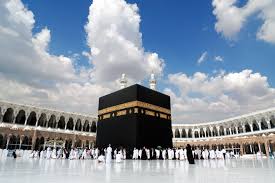
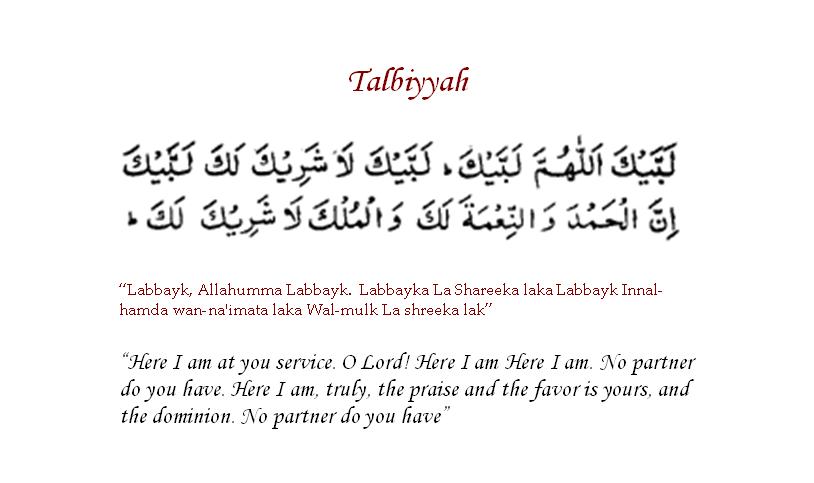

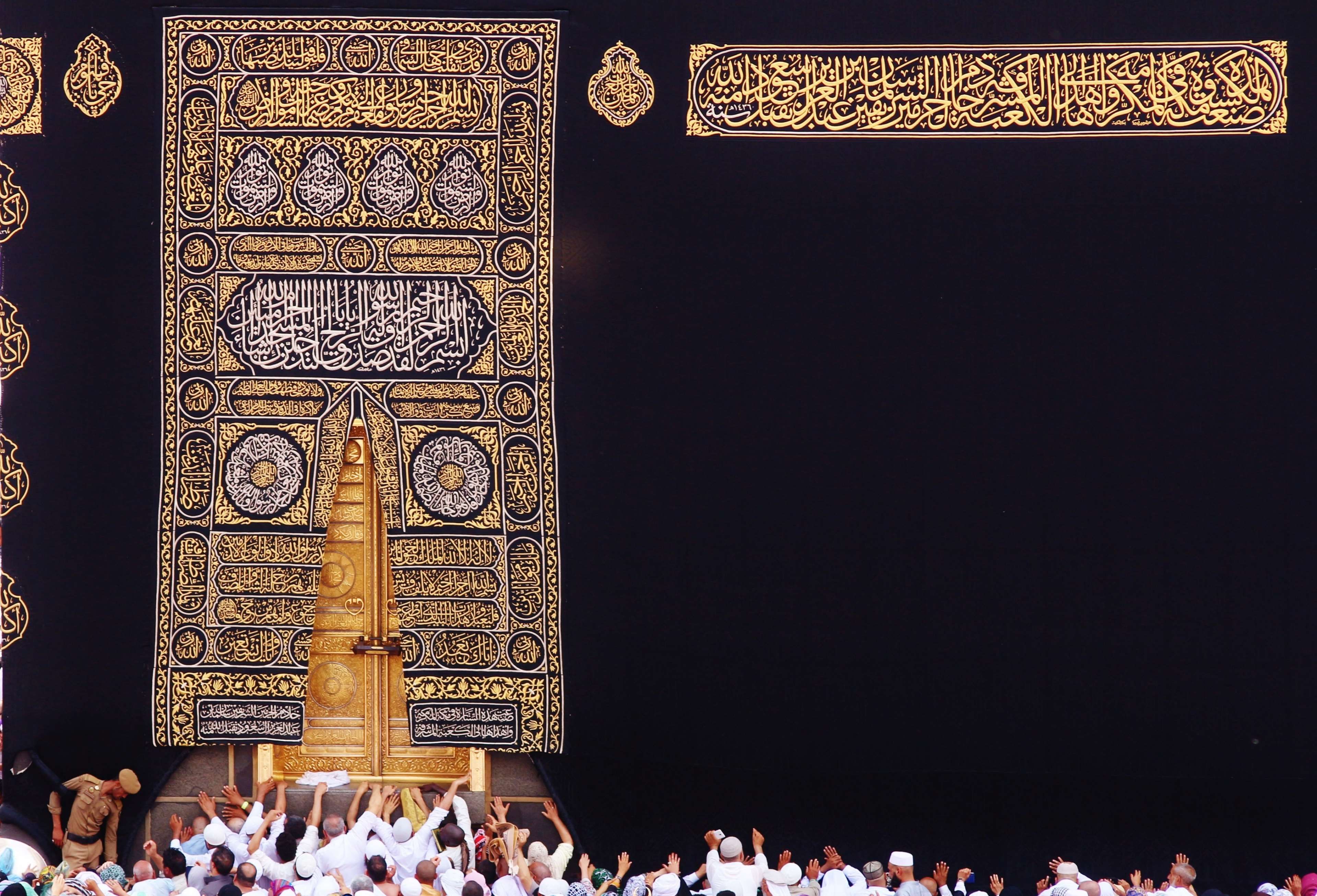 Etiquette of the Masjid/Haram
 Many women like to pray Salah next to men or directly behind them:

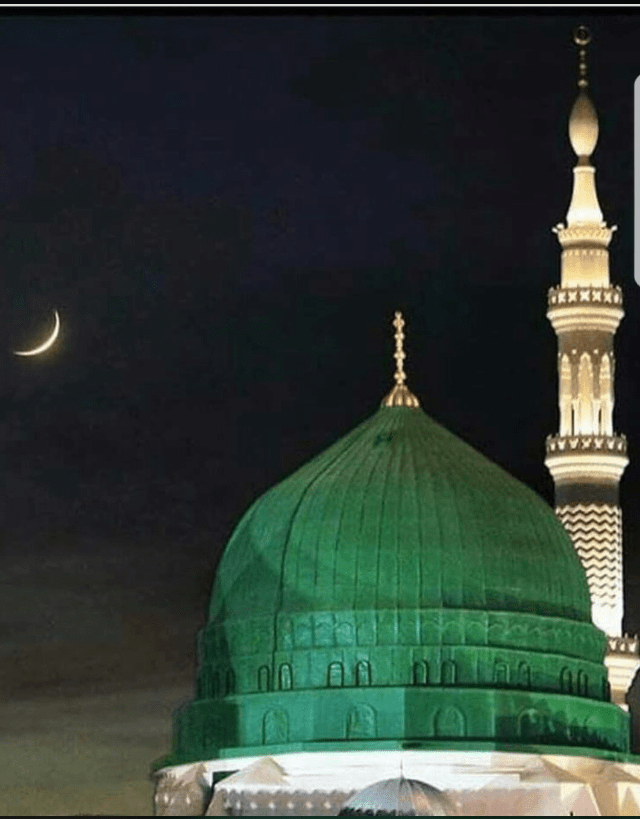 The city of Hijrah, a city once called Yathrib,
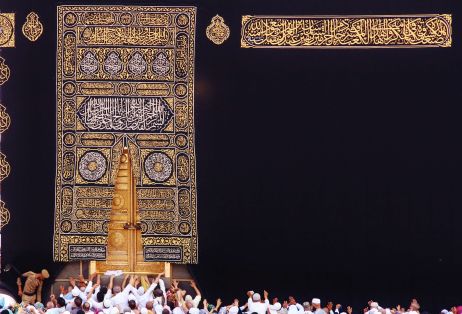

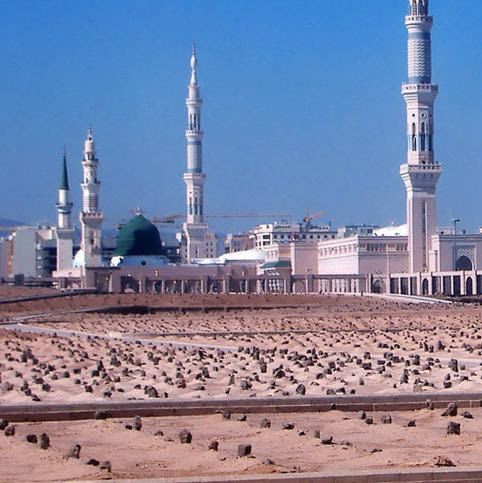


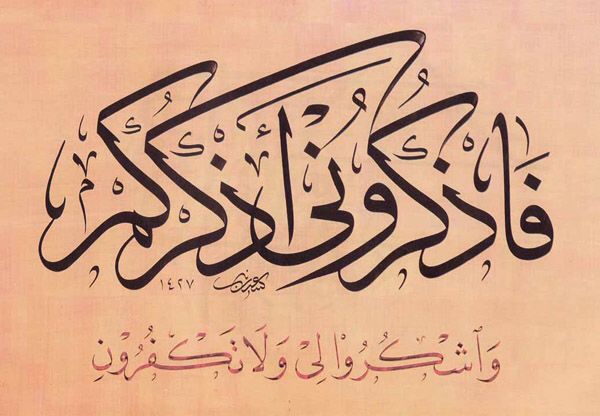
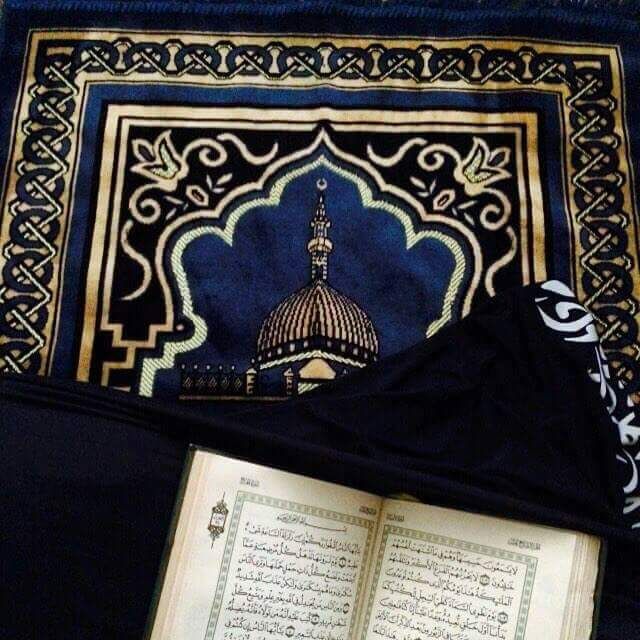 I have a question regarding the text Faza’il – e – A’maal by
 Assalamu alaykum