Children Activities


If your business went down, you lost your only child or you’re going through a divorce. . . Ask yourself did it bring you closer to Allah?

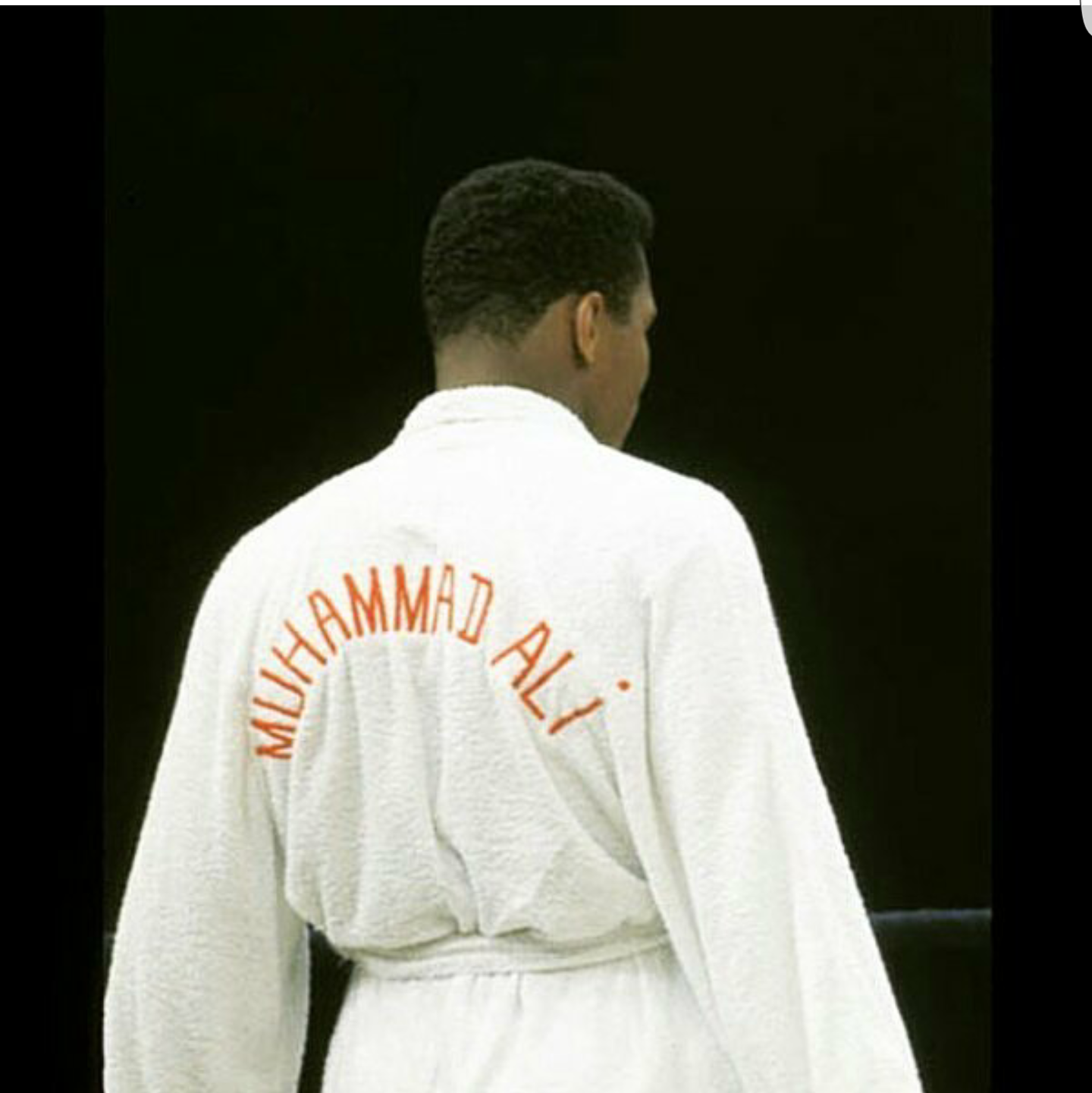
A small tribute to a great boxer – Muhammad Ali RH
THE LOUISVILLE LIP
Cassius Clay Sr. gifted his son a new red-and-white Schwinn in 1954, which was promptly stolen. The 12-year-old, 89-pound Cassius Clay vowed “I’m gonna whup whoever stole my bike!” A policeman, Joe Martin, told young Cassius Clay that he better learn how to fight before he challenged anyone. After 6 months of training with Joe Martin, Cassius won his debut match in a three-round decision. Young Cassius Clay dedicated himself to boxing and training with an unmatched fervor. According to Joe Martin, Clay set himself apart by two things: He was “sassy,” and he outworked all the other boys.
“BOXING WAS JUST A MEANS TO INTRODUCE ME TO THE WORLD”
Muhammad Ali participated in the light-heavyweight class Golden Gloves tournament for novices in 1956. It took him three years, but finally in 1959, Ali was named Golden Gloves Champion and earned the Amateur Athletic Union’s national title in the light-heavyweight division.
Shortly after his high school graduation, 18 year-old Cassius Clay began his journey towards greatness at the 1960 Rome Olympics. His expansive personality and larger-than-life spirit earned him the nickname “The Mayor of Olympic Village.”
The future 3-time Heavyweight World Champion nearly missed the trip to Rome due to his fear of airplane travel; he insisted on bringing a parachute on the plane with him.
On September 5, 1960, “The Greatest” proved his dominance in the Light Heavyweight Boxing Division by beating Zigzy Pietrzykowski of Poland, capturing the Olympic Gold Medal. Sports Illustrated praised Clay’s “supreme confidence” and “intricate dance steps.”
“IT’S A LACK OF FAITH THAT MAKES PEOPLE AFRAID OF MEETING CHALLENGES, AND I BELIEVE IN MYSELF”
— Ali, on beating Foreman in Zaire
When Muhammad Ali refused to enter the Vietnam War draft he was stripped of his championship titles, passport, and boxing licenses. He lost an initial court battle and was facing a 5-year prison term. Muhammad Ali was the first national figure to speak out against the war in Vietnam. During his 3 ½ year layoff, Ali earned a living speaking at colleges. In 1970, with the mood of the country changing, Ali staged his comeback; first against Jerry Quarry in Atlanta, and then Oscar Bonavena at Madison Square Garden. In his next match, billed as “The Fight of the Century”, Ali faced undefeated Champion, Joe Frazier at Madison Square Garden on March 8, 1971.
Ali fought valiantly, but lost. Months later, however, he won one of the biggest fights of his life – the Supreme Court reversed his conviction and upheld his conscientious objector claim. Ali was free of the specter of prison, and once again able to box anywhere in the world.
“THE MORE WE HELP OTHERS, THE MORE WE HELP OURSELVES”
“MY NAME IS MUHAMMAD ALI”
While training for his title bout against the fearsome heavyweight champion, Sonny Liston, Cassius Clay met Malcolm X. Malcolm became young Clay’s mentor and brought him into the Nation of Islam. Despite the 7-1 odds, Clay defeated Sonny Liston in Miami and became Heavyweight Champion of the world in 1964. Shortly after, he announced to the world that he was a member of the NOI and that his name was now Muhammad Ali. Weeks later, Malcolm X left the NOI and their friendship ended. Howard Cosell was one of the few journalists who acknowledged Ali’s name change at the time.
In 1984, Muhammad Ali publicly announced that he had Parkinson’s disease, a degenerative neurological condition. Following his diagnosis, he created and raised funds for the Muhammad Ali Parkinson’s Center in Phoenix, Arizona.
I know where I’m going and I know the truth, and I don’t have to be what you want me to be. I’m free to be what I want.
“HE WHO IS NOT COURAGEOUS ENOUGH TO TAKE RISKS WILL ACCOMPLISH NOTHING IN LIFE”
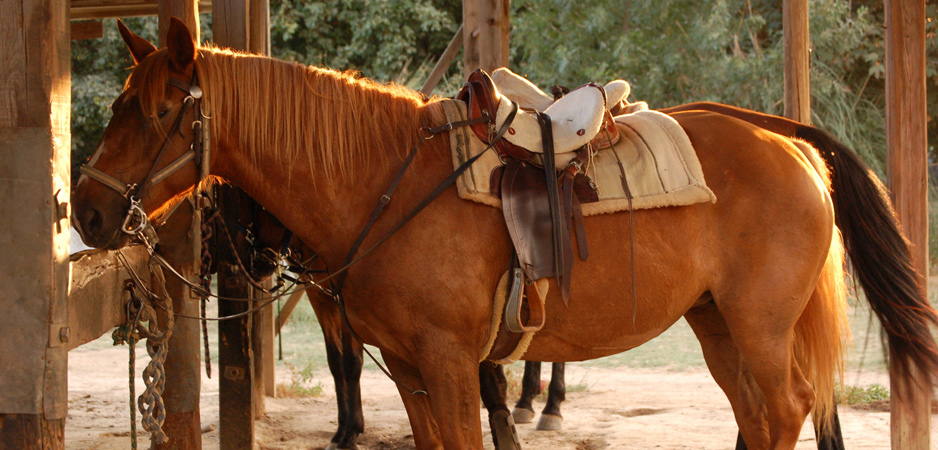
Horse Riding

The Prophet (peace and blessings of Allah be upon him) rode horses, camels, mules and donkeys. He rode horses both saddled and bareback, and he used to make them gallop them on occasion. He used to ride alone, which was most of the time, but sometimes he would put someone behind him on the camel, or he would put one person behind him and one in front, so there would be three men on one camel. So he would sometimes let some men ride on his camel with him, and on some occasions he let his wives ride with him. The animals which he rode most often were horses and camels.
(Narrated by Abu Dawood, 2565)
In a hadith narrated from Ibn Umar (R.A) in which our beloved Prophet said,
“Teach your children swimming, archery and horse riding”. In Sahih Muslim, the Prophet (s) said, “Practice archery and horseback riding.” The Prophet (s) said, “Any action without the remembrance of Allah is either a diversion or heedlessness except four acts: walking from target to target (during archery practice), training a horse and learning to swim.” (Reported by al Tabarani on good authority)
Horseback riding or horse riding referring to the skill of riding, driving, steeplechasing or vaulting with horses.This broad description includes the use of horses for practical working purposes, transportation, recreational activities, artistic or cultural exercises and competitive sport.
http://www.sunnahsports.org.uk/horse-riding.html
Bismillah,

If you did not have the ability to perform Hajj this year, worry not. Below are deeds equal to performing Hajj:
1 – Performing the obligatory prayers in congregation:
Abu Dharr (RA) narrated that a group of the Companions came to the Prophet (Sallallahu Alaihi Wasallam), and said, “O Messenger of Allah, the wealthy people will have higher grades and will have permanent enjoyment and they pray like us and fast as we do. They have more money, which they give in charity.” The Prophet (Sallallahu Alaihi Wasallam), replied: “Has Allah not rendered for you the ‘Isha’ prayer in congregation equal to Hajj, and the Fajr prayer in congregation equal to ‘Umrah?”
[Muslim]
The Prophet (Sallallahu Alaihi Wasallam), said: “Whoever walks to [perform] an obligatory prayer in congregation, it is like Hajj [in terms of rewards], and whoever walks to [perform] a voluntary prayer, it is like a voluntary ‘Umrah [in terms of rewards].”
[Hasan]
2 – Reciting Dhikr (Remembrance of Allah) after the five daily prayers:
Abu Hurayrah (Ra) narrated that a group of destitute people came to the Prophet (Sallallahu Alaihi Wasallam), and said, “O Messenger of Allah, the wealthy people will have higher grades and will have permanent enjoyment in high levels in Paradise. They pray like us and fast as we do, but they have more money by which they perform the Hajj, ‘Umrah, participate in Jihaad and give in charity.”
The Prophet (Sallallahu Alaihi Wasallam), replied: “Shall I not tell you something upon which if you acted you would catch up with those who have surpassed you? Nobody would surpass you and you would be better than the people amongst whom you live except those who would do the same. Say ‘Subhan Allah’, ‘Alhamdulillah’ and ‘Allahu Akbar’ thirty-three times each after every (compulsory) prayer.’” [Al-Bukhari]
3 – Praying Fajr with congregation & remaining seated in worship until after Sunrise:
The Prophet (Salallahu Alaihi Wasallam) said: ‘He who performs Fajr Salat with Jamaat (congregation) and remains seated in the same place while engaging in Dhikr (remembrance of Allah) until after sunrise and thereafter performs 2 Rakats Nawafil Salat, (Ishraq), he will obtain the Thawab (reward) of one Hajj and one Umrah.’ [Tirmidhi]
From `Abdullah bin `Aamir (RA) that Abu Umamah and `Utbah Bin `Abd (RA) related that Allah’s Messenger, (Sallallahu `alayhi wa sallam) said: “Whoever prays as-Subh. (i.e. Fajr prayer) in congregation then sits until he prays for Allah the prayer of Dhuha has the reward like that of a haajj (pilgrim performing Hajj) and a mu`tamir (pilgrim peforming `Umrah), complete reward of his Hajj and his `Umrah”
[Tabarani]
4 – Going to the Masjid to teach and learn carries the reward of Hajj
Abu Umamah al-Bahili (RA) that the Messenger of Allah (Sallallahu Alaihi Wasallam) said:
من غدا إلى المسجد لا يريد إلا أن يتعلم خيرا أو يعلمه كان له كأجر حاج تاما حجته
“Whoever goes to the masjid, wanting nothing except to teach what is good or to learn, will have the reward of a completed Hajj.”
[Tabarani, Mu’jam al-Kabeer, 7348 and others]
5 – To recite “SubhanAllah” 100 times in the morning and evening.
عن عبد الله بن عمرو رضي الله عنهما قال قال رسول الله صلى الله علي وسلم:
من سبح الله مائة بالغداة ومائة بالعشي كان كمن حج مائة مرة…الخ
رواه الترمذي (3471) وقال: حسن غريب.
‘Abdullah ibn ‘Amr (Ra) reported That Rasulullah (Sallallahu Alaihi Wasallam) said: “He who recites SubhanAllah 100 times in the morning and another 100 times in the evening is like one who performed Haj 100 times!”
[Sunan Tirmidhi, hadith: 3471 with a sound chain]
6 – Performing the Friday Prayer
Sa`id bin al-Musayyib (RA) said performing the Friday Prayer is “more beloved to me than a supererogatory (voluntary) Hajj.”
[Hafidh Ibn ‘Asakir (RA) has quoted a similar virtue via Imam Al-Awza’i (Ra). Hafidh Ibn Rajab (RA) also supported this content with two Ahadith]
7 – Fulfilling the needs of your brother or sister
Hasan Al-Basri (RA) said: “Your proceeding to fulfil the need a fellow Muslim is better for you than one Hajj after another!”
[Also quoted By Zabeedi (Ra) in Sharhul Ihyaa, vol.6 pg.292]
8 – Being good to your parents
Anas (RA) reports that a man came to Rasulullah (Sallallahu ‘alaihi wa sallam) and said: “I wish to participate in Jihaad, but I cannot afford it” Rasulullah (Sallallahu ‘alaihi wa sallam) enquired if any of his parents were alive, to which he said: “Yes! My mother is alive” Rasulullah (Sallallahu ‘alaihi wa sallam) said: “Show Allah how you serve her. If you do so (duly) you will be like a: Haaji, a Mu’tamir (one doing ‘Umrah) and a Mujaahid (One striving in Allah’s way).”
[Abu Ya’la, hadith:2760, and Tabarani with good chains.-Targheeb, vol.3, pg. 315 & Mukhtasar Ithaaf, hadith:5721]
9 – Observing the 10 days of I’tikaf:
Ali Ibn Hussain (RA) narrates from his father that Prophet (Sallallahu Alaihi Wasallam) said: “He who observes the ten days I’tikaf during Ramadhan will obtain the reward of two Hajj & two Umrah.”
(Bayhaqi)
10 – Performing Umrah in Ramadan
Ibn `Abbas (RA) said that the Prophet (Sallallahu Alaihi Wasallam) said to a woman from among the Ansaar — Ibn `Abbas mentioned her name but I forgot it — “What kept you from performing Hajj with us?” She said, “We only have two camels,” and the father of her son and her son had gone for Hajj on one camel, and he left the other camel so that they could carry water on it. He said, “When Ramadan comes, go for ‘Umrah, for ‘Umrah in (Ramadhan) is equivalent to Hajj.”
[Al-Bukhari (1782) and Muslim (1256)]
1st Dhul Hijah 1437
By Hadhrat Mawlānā Muhammad Saleem Dhorat hafizahullāh
With the recent earthquake and the resulting carnage, the point we need to consider is that although we are well away from the epicentre, safe and sound, what do we need to do? Is it just another news headline and topic of conversation or does it hold deeper significance to us as Muslims. At this point it is worth pondering upon the fact that Rasūlullāh sallallāhu ‘alayhi wasallam has mentioned that as Qiyāmah nears, earthquakes will become more and more frequent.
We have seen this prophecy coming true as time has passed. In the past earthquakes were rare and therefore shocking. Nowadays, being much more common, much thought is not given towards them save when the earthquake causes a humanitarian disaster. In the past it was very difficult to imagine an era in which natural disasters would regularly hit the headlines. Yet here we are today, every so often there is news of an earthquake, tsunami or a natural disaster of some nature having struck some part of the world. There is frequent news of people dying, children becoming orphans, starvation, lack of food supplies, loss of basic amenities and homelessness.
For everything that happens in the world there is a cause. Causes are of two types: external and internal (worldly and spiritual). For example, when someone catches the flu or a cold, the external cause for this could have been stepping out in the cold inadequately dressed or standing in the rain for a long period of time. The internal cause could have been sins which had been perpetrated. Similarly, scientists explain the external cause of an earthquake to be the movement of tectonic plates or gaseous activity beneath the earth’s surface. Not refuting this, when we refer to the teachings of our Allāh and his beloved Prophet sallallāhu ‘alayhi wasallam we find that the cause for earthquakes is the disobedience of Allāh ta‘ālā exceeding limits.
Calamities have appeared on land and sea because of what the hands of men have earned, that Allāh may make them taste a part of what they have done, in order that they may turn back. (30:41)
So, being that sins are the cause for such disasters, the primary thing we must do is repent. In such instances, when the Might and Power of Allāh ta‘ālā manifest themselves with such catastrophic effect, we should take heed from the warning. We should take this as a sign from Allāh ta‘ālā warning us of our sinful way; if we are to continue sinning then it is possible that He may also send a calamity upon us. Therefore, the first thing that we should do is accept that such catastrophes are due to my disobedience and then make tawbah and istighfār with sincerity.
Remember, in this calamity others have suffered and we have been safeguarded; we should use this as a means of guidance for us. We should think to ourselves that we are not performing salāh, paying zakāh, etc; we are indulged in evils such as drugs, alcohol, adultery, oppression, backbiting, etc. What if due to my sins the earth splits open and I fall inside.
We should also spend in the path of Allāh ta‘ālā. Rasūlullāh sallallāhu ‘alayhi wasallam has said:
Truly sadaqah extinguishes the anger of your Lord and protects against an evil death. (At-Tirmidhī)
Spending in charity will not only bring reward from Allāh ta‘ālā for helping his creation but will also ensure that his anger, caused by our disobediences, will be cooled. Even though the earthquake may have struck in another country we must remember that the entire world is the same to Allāh ta‘ālā. Borders and nationalities are man-made; to Allāh ta‘ālā, we are all dwellers of the same earth. An earthquake in one part of the world means that Allāh ta‘ālā is angry, and not necessarily with only those who were directly affected. So we too must do our bit to try and cool the anger by repenting and then assisting through du‘ā and financial help.
Finally, we should also use this opportunity to ponder upon the Day of Reckoning. If an earthquake lasting around a minute can cause such devastation, then what will be the earthquake of the Last Hour be like. That earthquake will be so severe that not only will tall buildings collapse, but the sun will lose its brightness, mountains will become rubble, and this entire world will come to an end.
O mankind, fear your Lord. Indeed the quake of the (destined) Hour is something terrible. The day you will see it, every suckling female will forget that which she suckles, and every female having pregnancy shall abort her foetus, and you will see people as if they are drunk, while they are not drunk, but Allāh’s torment is (so) severe. (22:1-2)
The Striking Event! What is the Striking Event? And what may let you know what the Striking Event is? (It will happen) on a day when people will be like scattered moths, and the mountains will be like carded wool. (101:1-5)
When the earth will be jolted with a terrible jolt; and the mountains will be crumbled a thorough crumbling, until they will become dust, scattered in the air. (56:4-6)
On the occurrence of this devastating disaster, our appeal is for everyone to repent and turn towards Allāh ta‘ālā, spend in the path of Allāh ta‘ālā through charity and ponder upon the last day and make this earthquake a wake-up call for us.
© Riyādul Jannah (Vol. 19 No. 2, Feb 2010)
• Please forward this message on to all your contacts •
Unsubscribe

Ibnul Jawzi (Rahimahullah) narrates that a pious person once mentioned:
I once entered Egypt where I found a blacksmith who would extract iron from his furnace using nothing but his bare hands! He would then place the iron on his anvil and turn it with his hands without apparently experiencing any pain whatsoever.
On witnessing this extraordinary spectacle, I thought to myself, “This must most definitely be a very pious man if the fire does not harm him!” With this in mind, I drew close to him and greeted him with salaam to which he replied. I thereafter addressed him in the following words, “O my master! I beseech you in the name of that Being who favoured you with this miracle to please make du‘aa for me!” On hearing my request, the blacksmith began to cry and exclaimed, “My brother! By Allah! I am not the pious person that you think me to be!” To this exclamation, I replied, “O my brother! This miracle which I witnessed from you is something which only the pious people are able to carry out.” The blacksmith answered, “There is a strange incident behind the miracle you speak of.” At my request, the blacksmith thereafter recounted the following incident:
I was once sitting in this business of mine, in a state of intense preoccupation, when I suddenly realized that there was a woman before me. On glancing at her, I beheld a face which possessed beauty the like of which I had never seen before. The woman addressed me and pleaded saying, “O my brother! Do you have anything to give us for the sake of Allah Ta‘ala?” I was, by this point, captivated by her sight and infatuated by her beauty. I therefore replied, “Why don’t you accompany me to my home where I will give you something that will see to your needs?” On hearing my suggestion, she looked at me in silence for some time and eventually turned and departed from my business. After some time had passed, however, she returned and submitted, “Dire necessity has forced me to accept your offer.” I therefore locked my business and proceeded home with her.
When we reached my residence, she begged me saying, “I have children whom I have left in extreme starvation. Please give me something that I can take to them! I will return to you thereafter.” After making her promise and vow that she would return, I gave her some dirhams and watched as she left to see to her children. When she returned, I ushered her into my home and turned to lock the door. “Why are you locking the door?” she asked. “I fear the people.” I replied. “And why do you not fear the Lord of all the people?” she enquired. “He is Forgiving and Merciful.” I retorted. I then advanced towards her and found that tears were streaming down her cheeks in torrents and she was trembling, just as palm leaves tremble beneath the force of a gale. “Why are you trembling and crying?” I asked. “Out of the fear of Allah Ta‘ala.” she answered.
The woman then turned to me and pleaded saying, “If you leave me for the sake of Allah Ta‘ala, I will stand guarantee that Allah Ta‘ala will neither punish you with fire in this world nor in the next.” When I heard her say this, I was shaken and instantly stood and gave her all that I owned saying, “I have left you out of the fear of Allah Ta‘ala!”
A while after she had left, I fell asleep and had a dream in which I saw a woman wearing a crown of red rubies who had the most beautiful face that I had ever seen. She said to me, “May Allah Ta‘ala reward you well on our behalf.” Who are you?” I asked. “I am the mother of the girl whom you left out of the fear of Allah Ta‘ala. May Alah Ta‘ala never punish you with fire, neither in this world nor the next.” I next said to her, “Please tell me who she is and which family she is from.” To this the woman replied, “She is from the family of Rasulullah (sallallahu ‘alaihi wasallam).” It was then that I remembered the verse of the Qur’aan in which Allah Ta‘ala mentions: “Allah only intends to keep (all sorts of) filth away from you, O members of the family (of the Prophet), and to make you pure through a perfect purification.”
When I awoke from my sleep, I found that the fire of this world could not harm me. I have hope that the fire of the Hereafter will not harm me as well. (Al-Mawaa‘iz wal Majaalis libnil Jawzi RH pg. 219)

Lessons:
1. The way to extinguish the fire of Jahannum is for us to extinguish the fire of our nafs and desires.
2. If we introduce a person to an evil habit or sin, we will have a share of the burden to bear every time he commits it. On the other hand, if we are instrumental in assisting someone to abstain from sin or change their lives for the better, we will continue to receive reward so long as that person is benefiting from our advice and encouragement.
3. We do not know which action or which person’s du‘aa will be the means of drawing the special mercy of Allah Ta‘ala. As such, we should never consider any good action to be insignificant or risk losing the du‘aa of any person.
4. A person who wishes to commit a sin should fear the punishment of Allah Ta‘ala as His forgiveness is for those who sincerely repent and wish to change their lives.
5. A believer should meditate, for a few minutes daily, over the reality that Allah Ta‘ala is watching him at all times.
6. The family of Rasulullah (sallallahu ‘alaihi wasallam) is the greatest of all Royal Families. Hence they should be shown the absolute greatest level of respect and honour that should be shown to people.
13 Dhul Qa’dah 1437
An extremely beautiful clip from one of the most amazing scholars and worshippers of our time, Sheikh Muhammad Mukhtar Ash-Shinqiti (Hafidhahullah), from the holy city of Madinah. A translated extract from his lecture “Al Hayaat At-Tayyibah” (“The Goodly Life”), in which he discusses the realities of the life of this temporary world and man’s relationship with it, and most importantly his relationship with his Creator.
Translation: The Goodly Life
Transcript
“The Goodly Life”
Sheikh Muhammad Mukhtar Ash-Shinqiti
Life, is either for a person, or against him
It’s hours and seconds, days and years pass him by
Leading him (by his actions) to the Love and Good Pleasure of Allah
until he is amongst the people of Ultimate Success and the Gardens of Paradise
or they are against him, leading him (by his actions) to the Fires of Hell
and to the Anger of the One, the Just Ruler [Allah]
Life, either it will make you laugh & rejoice for an hour
over which you will cry for an eternity (in the Hereafter)
or it will make you cry for an hour
over which you will laugh & rejoice for an eternity (in the Hereafter)
Life, is either a great blessing for a person,
or an adverse affliction against him
This is a life which was lived by the earliest generations
by our fathers and forefathers
and by all those who preceded us
All of them, returned to Allah with what they used to do [their deeds]
“Life” refers to every single moment that is lived within it
and every hour spent within it
And within all of these, we live a life that is either for us or against us
Thus, the successful and happy person
is the one who sees life, and recognises it’s reality and true nature
For by Allah, it is a life that frequently causes some people to weep, their tears never drying
and frequently makes others laugh, their laughs and joys then never to return
My beloved, Allah has made this life as a trial, a test,
an exam, in which is made apparent the true nature of His slaves
Thus happy is the one who is made successful (in this exam) by the Mercy of Allah
while miserable & banished (from salvation) is the one upon whom the Pleasure of Allah becomes forbidden (through this exam)
(Know) for every hour that you live, either Allah is pleased with you in this hour (by your deeds)
or the opposite, we seek refuge in Allah from that
Therefore (by this hour) either you come closer to Allah
or you stray further from Him
Thus it may be, that you live a single moment of love and obedience to Allah (by your actions)
by which are forgiven the inequities of your life
and a lifetime of sins
And it may be that you live a single moment in which you deviate purposely from the Path of Allah
distancing yourself from His obedience
which then becomes a cause of misery & distress, for the rest of your life
We ask Allah for His Safety and Pardoning
In this life there exist two seperate ‘callers’
The first, is anything that calls to the Mercy, the Good Pleasure and the Love of Allah (be they thoughts or actions)
The second type of caller, is anything which invites to the opposite of that
(Such as) a desire or lust that incites one to evil
or a sudden sinful whim that may result in an evil ending (dying in bad or sinful circumstances)
Thus it may be, that a person within a moment of his life, weeps;
a weeping of regret and repentance over his negligence towards his Lord;
and by (these tears) Allah changes his evil deeds into good deeds (on his record)
But how many a people continue to commit sins?
how many a people still indulge in evil?
how many a people continue to distance themselves (from Allah),
frequently travelling away from their Lord (by their actions)?
Thus all of them are distant from the Mercy of Allah
unbeknownst to them, strangers to the Good Pleasure of Allah
Then comes upon them that hour, that exact moment (of penitence),
which is what we are referring to, by “the goodly life”,
in order that they shed tears of regret and remorse,
and that a reason for anguish in the heart may be ignited,
Such that the person realises how long his alienation from Allah has been
and how long his absence from his Lord truly has been
so that he may then say, “Indeed I am turning to my Lord repentant, remorseful,
and in hope of His Mercy and Good Pleasure!”
This time (of penitence) is a person’s key to happiness and contentment,
the time of regret.
It is as the scholars say,
“Indeed man sins a great deal,
but if he is truly sincere in his regret and repentance,
Allah will change his sins into good deeds”
Thus his life too then becomes pure and goodly,
by the purity and truthfulness of that regret and repentance
and by the sincerity in the very distress and pain felt within himself
We ask Allah the Greatest, Lord of the Honourable Throne,
to give life to this blessed caller to His Mercy, within our hearts
and to the pain we should feel when we are neglectful towards Allah and His Commands
My beloved, every single one of us needs to ask themselves a question,
we need to ask ourselves day and night,
How many nights are spent awake in activity?
and how many hours are passed (in this way)?
How many have laughed in this life?
And (most importantly) was Allah Pleased with this laughter?
How much of this time was spent in entertainment and enjoyment in this life?
Was this enjoyment one that Allah was Pleased with?
How many nights were spent awake (in activity)?
Was this staying awake (and what you did in those nights), pleasing to Allah?
And so on and so forth,
(These are) questions that he should be asking within himself
But a person might wonder why he should be asking these questions (i.e. what’s the point)?
Yes! You must ask yourselves these questions
as passes not the instant of a blinking of an eye,
nor a fleeting moment in your life,
except that you are living in and experiencing the Blessings of Allah!
Thus it is from great respect and humility towards Allah
that a person remains constantly aware of the greatness of the Blessings bestowed upon him
From this humility is to truly feel and acknowledge that the food we eat,
belongs to and is provided by Allah
And that we quench our thirst with a drink created by Allah
And that we are shaded and sheltered by a roof provided by Him
And that we walk forth upon a ground provided by Him
And that without doubt we are living in and experiencing His every Bounty and Mercy
So what could we possibly have to offer Him in return?
(So it’s important) a person asks himself these questions.
(For example) doctors say that there exists a substance in a person’s heart,
that if it were to increase or decrease by 1%
he would die instantly…
So (think) in which courtesy and kindness,
which mercy and compassion from Allah does mankind enjoy, experience and live in!
(Even if) a person asks himself about the Mercy of Allah alone,
When he wakes up in the morning,
possessing his hearing
possessing his sight
possessing his physical strength,
who is the one safeguarding his hearing?
Who is the One safeguarding his sight?
Who is the One safeguarding his intellect?
Who is the One safeguarding his very soul?
He must ask himself, who is the One protecting all of these things?
Who is the One who Bestowed him with good health and wellbeing?
(Think of) those who are sick, lying on white beds (in hospital)
those who are sighing and in pain (from illness),
By Allah, through these great blessings Allah conveys His Love for us,
The great blessings of good health, wellbeing, security and safety
All of these are provided purely so that we may live a goodly life
Allah, praised & exalted is He, desires two things from His slave:
The first is that he carry out his obligatory duties (e.g. prayer)
and the second, is the abandonment of all Allah has forbidden and held him back from
As for the one who claims that closeness to Allah
entails a life of suffering or limitations
Then such a person without doubt has erred greatly in how he perceives Allah
For, by Allah, if you do not purify and make good your life by closeness to your Lord,
you will never be able to do so by way of anything else
And if you do not purify and adorn your life by carrying out your obligatory duties to Him,
and abandoning all that He has forbidden,
Then by Allah, you will never be able to so by way of anything else
A person may experience every single pleasure life has to offer
but by Allah, he will never experience anything more pleasurable,
more beautiful than servitude to Allah
by carrying out his obligations to Him
and leaving all that He has forbid him from
(In life) you are subjected to two choices,
whenever you are faced with a matter,
you have the choice to either do it or not do it
If you decide to go forth and do anything in this life,
ask yourself, “Has Allah permitted you to do this thing, or not?”
Since the human being himself is owned by Allah
the hearts are all owned by Allah
and the souls are all owned by Allah
Thus a person should,
whenever he wants to do something or hold back from it,
ask himself, will Allah be pleased with you (by this action)?
If so, then let him proceed
Or, will Allah not be pleased by this action?
If not then he should hold himself back.
For, by Allah, a person does not proceed with an action nor hold back from it,
requesting Allah’s Mercy (and counsel in the decision),
except that he pleases his Lord in the process
Therefore true happiness and a goodly life are only to be found in closeness to Allah
Closeness to who?
To the King of Kings
the Controller of the Heavens & the Earth
To whom belongs the Ultimate Command, all creation
and the perfect arrangement and measure of all that exists
Thus you may find that man is always
in a state of anxiety and weariness
You may find an individual who has everything he desires
But by Allah, you will find most of those who have all they desire
suffer from mental or psychological problems,
from anxiety and depression,
most of them are extremely unhappy and dissatisfied with their lives
Go and look for the wealthiest person
and you’ll most likely find him to be from
the most miserable people in life
And has made the sweetness and savour of life to be found,
in being close to Him
And has placed the key to a pleasurable, amiable life,
in a pleasurable, amiable relationship with Him
(If we look at just) one prayer that a person performs
from the 5 obligatory daily prayers;
at the moment of completing his bowing and prostrating
and completing his servitude to his Lord,
then at leaving the place of prayer,
he feels a great sense of ease and peace within himself!
By Allah, even if he were to spend all the wealth on the earth
(in attempt to buy this feeling)
He would be unable to seek a way to it.
Thus the goodly life is found only in closeness to Allah
A pleasant, comfortable life will only be found by a closeness to Allah
If a person does not purify and make good his life
through this close relationship,
then by who (or what) will he….?
https://www.youtube.com/watch?v=kVj_zRqVaOQ
https://www.youtube.com/watch?v=eoJcnv4d7es

فقال له “المنصور” عِظني يا “مقاتل”!
فقال: أعظُك بما رأيت أم بما سمعت؟
قال: بل بما رأيت.
قال: يا أمير المؤمنين ! إن عمر بن عبد العزيز أنجب أحد عشر ولدا ً وترك ثمانية عشر دينارا ً ، كُفّنَ بخمسة دنانير ، واشتُريَ له قبر بأربعة دنانير وَوزّع الباقي على أبنائه.
وهشام بن عبد الملك أنجب أحد عشر ولدا ً ، وكان نصيب كلّ ولد ٍ من التركة الف الف دينار.(اي مليون)
والله… يا أمير المؤمنين : لقد رأيت في يوم ٍ واحد ٍ أحد أبناء عمر بن عبد العزيز يتصدق بمائة فرس للجهاد في سبيل الله ، وأحد أبناء هشام يتسول في الأسواق.
وقد سأل الناس عمر بن عبدالعزيز وهو على فراش الموت : ماذا تركت لأبنائك يا عمر؟
قال: تركت لهم تقوى الله، فإن كانوا صالحين فالله تعالى يتولى الصالحين ، وإن كانوا غير ذلك فلن أترك لهم ما يعينهم على معصية الله تعالى .
فتأمل… كثير من الناس يسعى ويكد ويتعب ليؤمن مستقبل أولاده ظنا منه أن وجود المال في أيديهم بعد موته أمان لهم، وغفل عن الأمان العظيم الذي ذكره الله في كتابه:
(وَلْيَخْشَ الَّذِينَ لَوْ تَرَكُوا مِنْ خَلْفِهِمْ ذُرِّيَّةً ضِعَافًا خَافُوا عَلَيْهِمْ فَلْيَتَّقُوا اللَّهَ وَلْيَقُولُوا قَوْلًا سَدِيدًا).

I met a group of people from the scholars of hadith who memorised and knew narrations but they used to permit backbiting under the guise of Jarh and Ta’dil (critique of narrators), and they used to charge money for the narration of hadith. They would also hasten to answer questions even if that made them fall into error, because they feared losing status (in the eyes of people).
I met ‘Abd al-Wahhab al-Anmati and he was upon the manner of the predecessors. No backbiting was heard in his gathering and he never sought a wage for listening (and narrating) hadith. If I read a heart-softening narration to him, he would cry profusely. It used to affect my heart and built it up, and I was very young at the time. He was just like those scholars whose descriptions we’ve heard about from (classical) texts.
I met Shaykh Abu Mansur al-Jawaliqi; he was known for his increased periods of silence, his extreme caution over what he said, and his precision and authenticity (in knowledge). Perhaps he would be asked a question and the answer was clear to even children, but he would hold back until he was certain (of its correctness). He used to fast a lot and observed silence a lot.
So I benefited from these two men more than I benefited from others. I came to understand that guiding people by one’s actions is greater and more inspiring than guiding them by just words. I saw scholars whose moments of seclusion was mere joking and play so they turned hearts towards this and the knowledge they had gathered was thus ruined. The people did not benefit from them in their life except a little, and after their death, they were forgotten and hardly anyone looked to their works and writings.
So fear Allah when it comes to acting upon knowledge for it is the greatest of foundations. The impoverished one is truly the only who wastes his life in seeking knowledge that he does not act upon and so he misses out on both the delight of this world and the goodness of the Hereafter, so he goes forth (into the Hereafter) as a bankrupt one burdened with evidences against him.
لقيت مشايخ ؛ أحوالهم مختلفةٌ، يتفاوتون في مقاديرهم في العلم.
وكان أنفعهم لي في صحبةٍ : العاملُ منهم بعلمه، وإن كان غيره أعلم منه.
ولقيت جماعةً من أهل الحديث يحفظون ويعرفون؛
ولكنهم كانوا يتسامحون في غيبةٍ يخرجونها
مخرج جرحٍ وتعديلٍ ،
ويأخذون على قراءة الحديث أجراً، ويُسرعون بالجواب لئلاَّ ينكسر الجاه، وإن وقع خطأ!
ولقيت عبدالوهَّاب الأنماطي؛ فكان على قانون السلف ؛ لم يُسْمَع في مجلِسهِ غيبةٌ ، ولا كان يطلبُ أجراً على إسماع الحديث ، وكنتُ إذا قرأتُ عليه أحاديث الرقائق بكى ، واتَّصل بكاؤه!
فكان – وأنا صغير السنِّ حينئذٍ- يعملُ بكاؤه في قلبي، ويبني قواعد.
وكان على سمت المشايخ الذين سمعنا أوصافهم في النقل.
ولقيت أبا منصور الجواليقي ؛ فكان كثير الصمت ، شديد التحرِّي فيما يقول ، متقناً محقِّقاً، ورُبَّما سُئل المسألة الظاهرة ، التي يبادر بجوابها بعض غلمانه ، فيتوقَّف فيها حتى يتيقَّن ، وكان كثير الصوم والصمت.
فانتفعت بهذين الرجلين أكثر من انتفاعي بغيرهما.
ففهمتُ من هذه الحالة : أنَّ الدليل بالفعل أرشد من الدليل بالقول…
فالله.. الله في العمل بالعلم ؛ فإنه الأصل الأكبر ، والمسكين كل المسكين من ضاع عمره في علمٍ لم يعمل به ؛ ففاتته لذَّات الدنيا، وخيرات الآخرة؛ فقَدِم مفلساً مع قوَّة الحجَّة عليه .
(صيد الخاطر 138)