
From Blackburn to Baghdad
Alhumdu Lillah, we have just spent seven days in Iraq. It was a profound sacred journey into the heartland of Islamic heritage, many Prophets ﷺ, revered Sahabah RA, Ahle Bayt, knowledgeable Imams and pious Saints graced these very lands. I will share a few notes and thoughts from the visit to Baghdad, Najaf and Karbala. Before I do that, I want to remind everyone when you think of Iraq in modern times, what do you think of? Who do you remember?
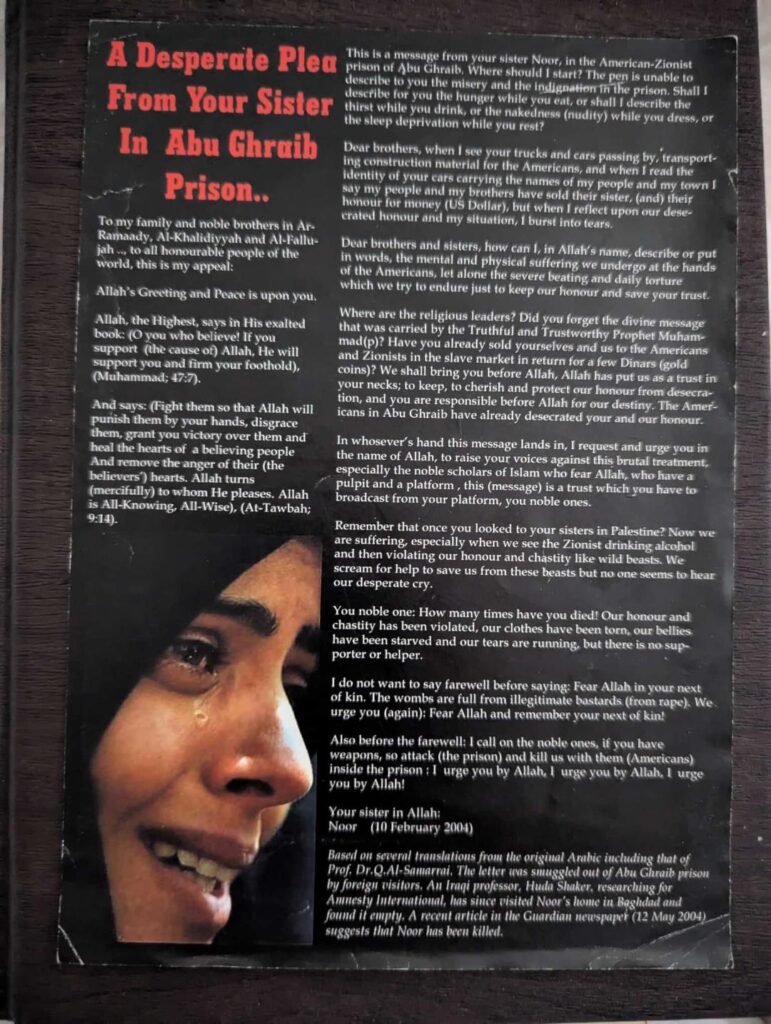
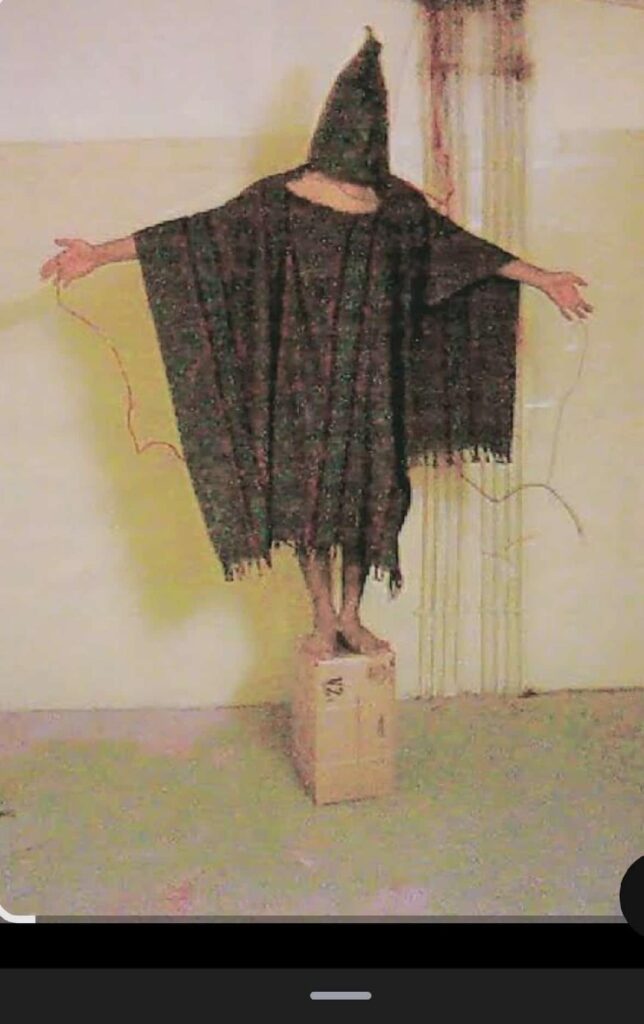
No doubt, you will remember the war also referred to as the Second Gulf War from 2003 – 2011. USA invaded Iraq, the primary rationale for the invasion centered around false claims that Iraq possessed weapons of mass destruction. But no WMD stockpiles were found in Iraq. Thanks to the likes of Jack Straw the then Blackburn MP, aka the architect of the Iraq War, the war led to over a million deaths, young girls being raped and the abuse in Abu Ghraib prison. Some of you may remember the letters that came out of these prisons…
Day 1
The intention when going to these places is Ziyarat/visiting/learning. You cannot make an intention for thawab/reward: Narrated Abu Huraira: The Prophet ﷺ said,
"Do not set out on a journey except for three Mosques ie Al-Masjid-Al-Haram, the Mosque of Allah's Messenger ﷺ , and the Mosque of Al-Aqsa."

Alhumdu Lillah, on our first day in Baghdad we visited the mausoleum of Sultanul Awliya Shaykh Abdul Qadir Jilani RH. Shaykh was born in Gilan, Iran in 470 A.H. Shaykh was an Arab by descent, being the tenth descendant of Hassan ibn Ali RA. He came to Baghdad in 488 A.H. at the age of 18. After completing his education of religious sciences, he turned to Mysticism/Sufism. Shaykh later became one of the Imams of tasawwuf and Allāh SWT endowed him with many karamaat (miracles).

There is an account narrated about Shaykh Abdul-Qadir Jilani, Allah have mercy on him, that when he set out away from home for the purpose of his education, his noble mother sewed his share of eighty coins into the underarm of his shirt and advised him: ‘Son, do not lie.’ When Shaykh Abdul-Qadir RH departed, on the first day of his journey he passed through a jungle that was inhabited by a large band of thieves and robbers. A party of robbers confronted and apprehended him. The robbers asked: ‘What have you in your possession?’ Shaykh Abdul-Qadir thought to himself that he was being tested in the first stage of his journey; he reflected over his mother’s advice and said:‘I have eighty coins which my noble mother has sewn into the underarm of my shirt.’ The robbers were extremely surprised on hearing this and said: ‘What is this dervish saying! We have never seen such a righteous man!’ They took him and putting him before their chief, related the entire story. When the chief questioned him, Shaykh Abdul-Qadir gave the same response. Finally, when his shirt was torn at the place that he had described, it turned out that there were indeed eighty coins sewn into his shirt. All the robbers were astonished and the chief asked why Shaykh Abdul-Qadir had told them the truth. At this, Shaykh Abdul-Qadir mentioned the advice that his mother had given him...He said: ‘I have set out as a student of religion. If I had told a lie at the very first stage of my journey, what could I ex- pect to attain? And so, I chose to stand by the truth.’ When Shaykh Abdul-Qadir said these words, the chief burst into tears, fell at his feet and repented for his sins. It is said that this chief was the first follower of Shaykh Abdul-Qadir.

In short, truth is a thing that delivers a person in even the most trying and difficult of times.
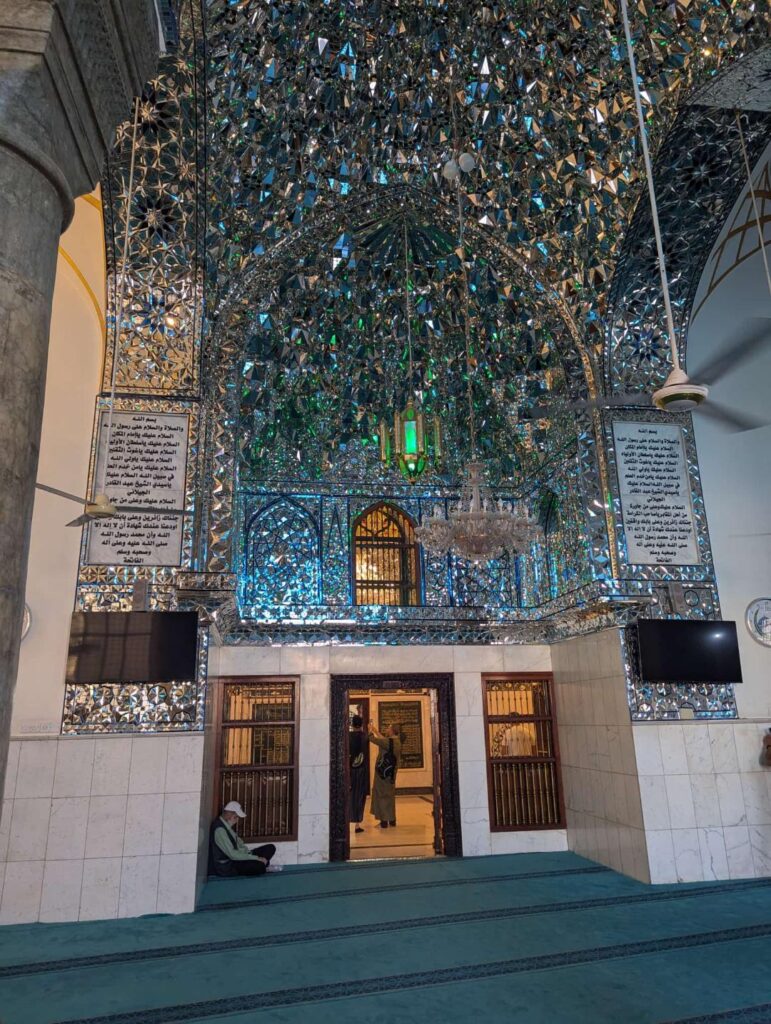
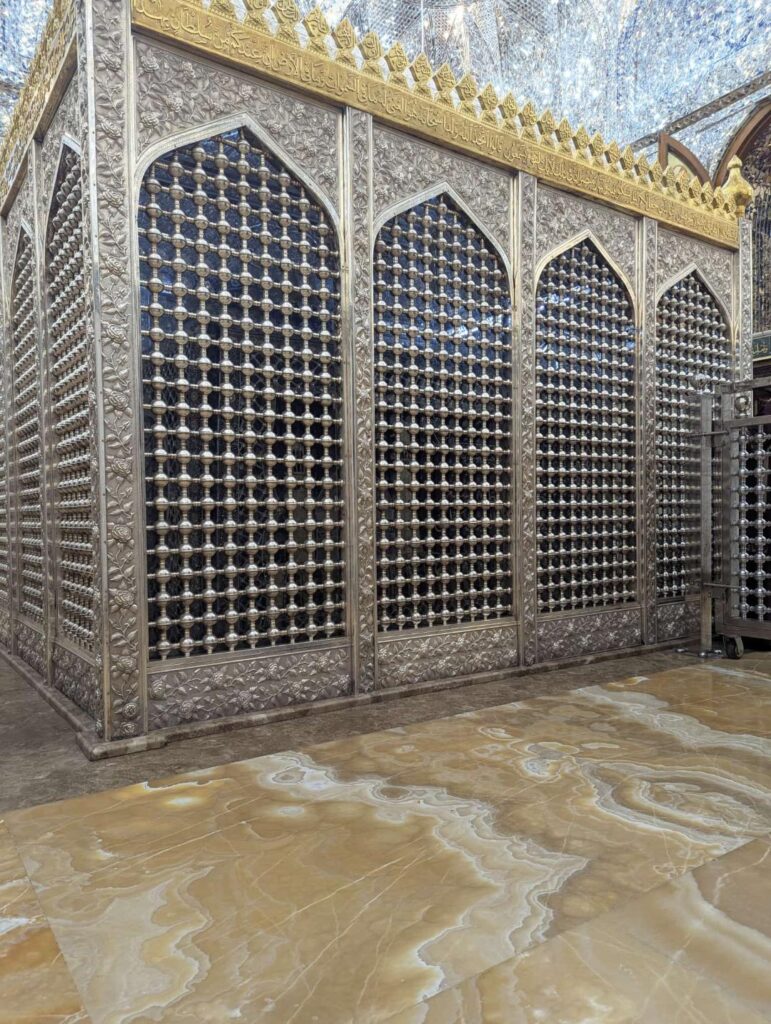
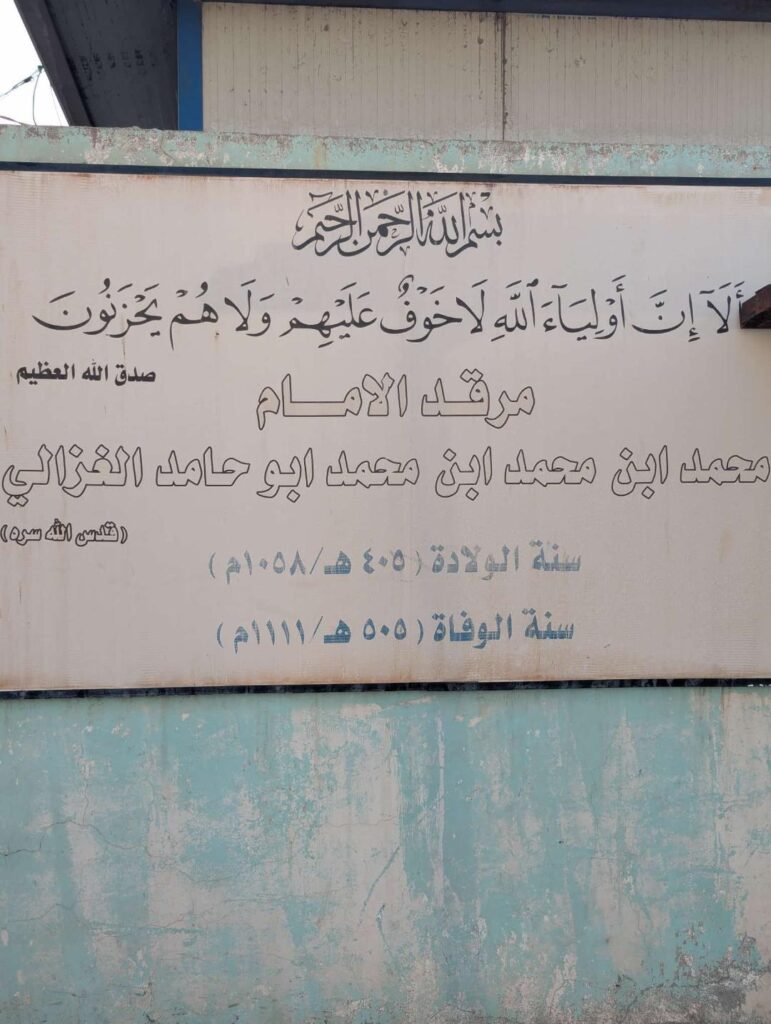
We visited the grave of Abu Hamid Muhammad Ibn Muhammad Al-Tusi al-Ghazali, born 1058-1111, Tus, Iran. Imam Ghazali RH is one of the great jurists and mystics of the 12th century. He wrote on a wide range of topics including Jurisprudence, Theology, Mysticism and philosophy. He was titled the Intellectual Proof of Islam and the Bane of the Philosophers. From childhood Imam Ghazali's inquisitiveness and unquenchable thirst for comprehension of reality was unmatched.Imam Ghazali RH was often scolded by teachers for asking too many questions and engaging in debate. His passion for knowledge is shown from the story below:
Having completed his studies, Imam Ghazali was en route back home. On the way the caravan in which he was traveling was waylaid by robbers. Together with his co-travellers, Imam Ghazali was dispossessed of all his goods. Amongst his possessions were the carefully written notes of the lectures delivered by his ustads. These notes were also taken by the robbers. Imam Ghazali sought out the leader of the band of robbers and pleaded with him...“Your men have taken all my possessions except for the clothes I wear. You may keep the extra clothes and other valuables – I do not lament their loss. However, please ask your men to return the papers they have taken.”
The leader of the band of robbers was amazed at this unusual request. This young man was not worried about clothes and valuables, but he was asking for some pieces of paper to be returned!
Very curious, he asked: “What papers are these?”
Imam Ghazali explained: “I am a student returning home after completing my studies. When my teaWhen my teachers used to lecture, I used to make notes. These are those very pages of ‘ilm that I am requesting to be returned to me.” The leader of the robbers said: “What you have just said fills me with great sorrow and regret. Young lad! Is your ‘ilm on pieces of paper when it should have been in your heart? Papers can get lost. Papers can be destroyed by fire, become parched by the sun, get eaten by moths, become damaged with damp, etc., etc. You are dependent on papers? It fills me with great pity. Your ‘ilm should be in your heart! Be that as it may, your papers will be returned.” He summoned one of his men and ordered him: “Give back to this boy his papers.”The notes were retrieved and returned to Imam Ghazali.
Imam Ghazali was of noble character. He was, moreover, a dedicated student. The words of the gang-leader were like a knife piercing his heart. On reaching home, he lost no time in memorizing all his notes.
These were the scholars of the past who sacrificed everything for knowledge, their dedication is admirable and their zeal for the truth is commendable. This is what shapes history and inspires generations, Allah grant us similar qualities, Ameen.
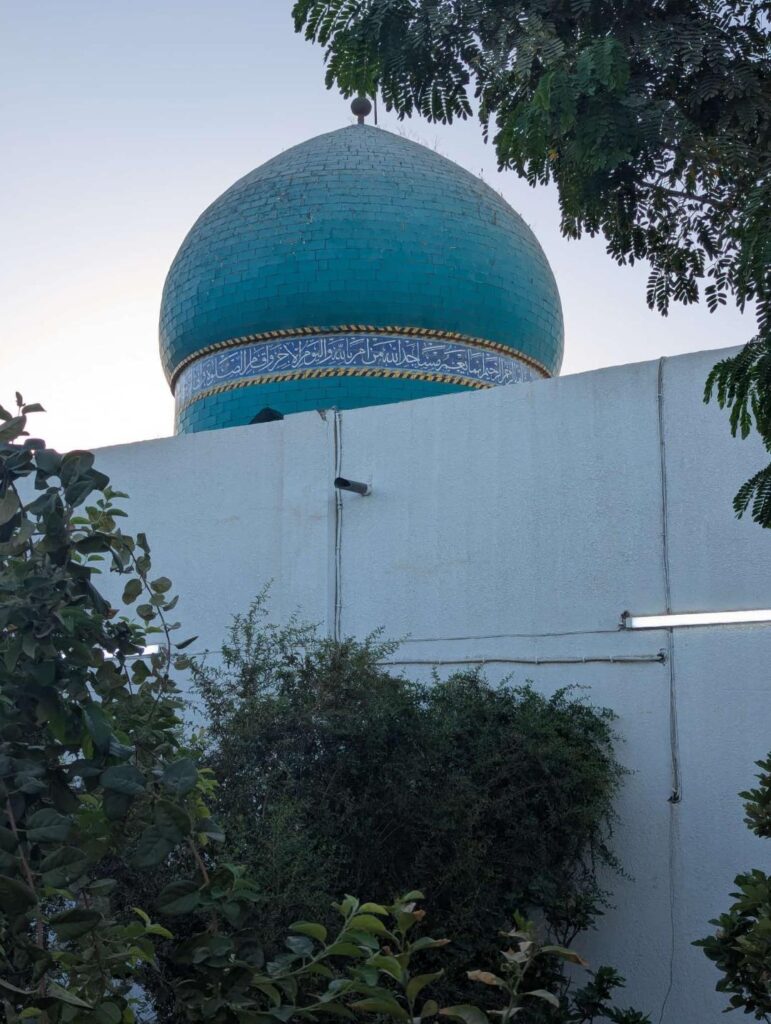
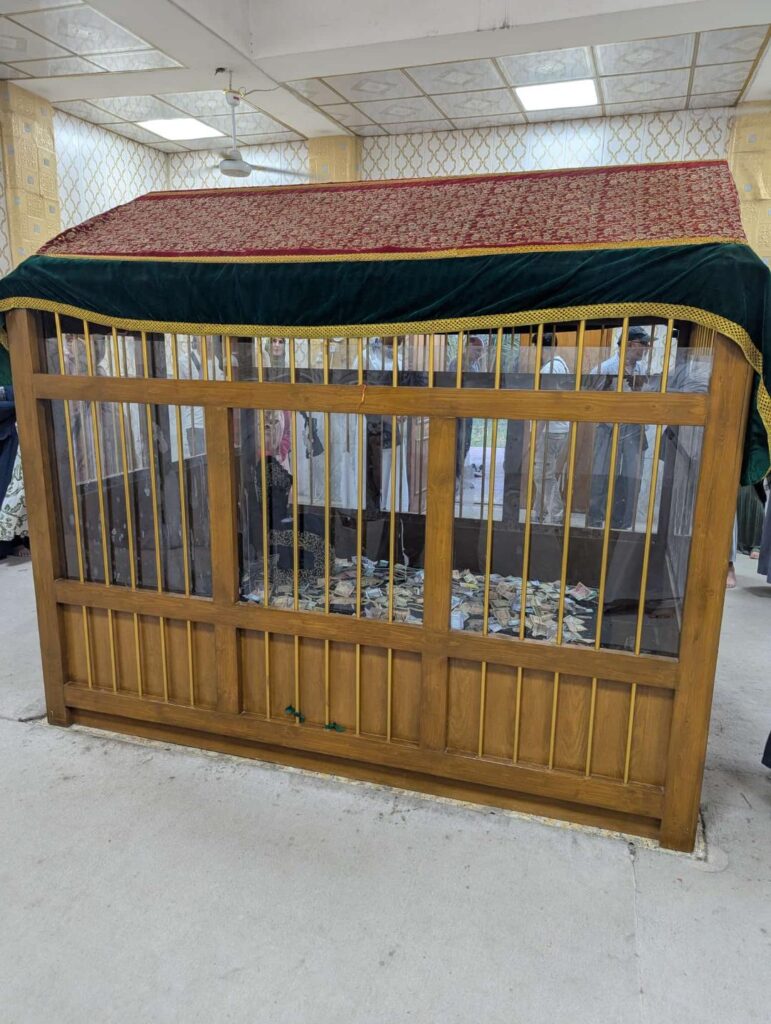
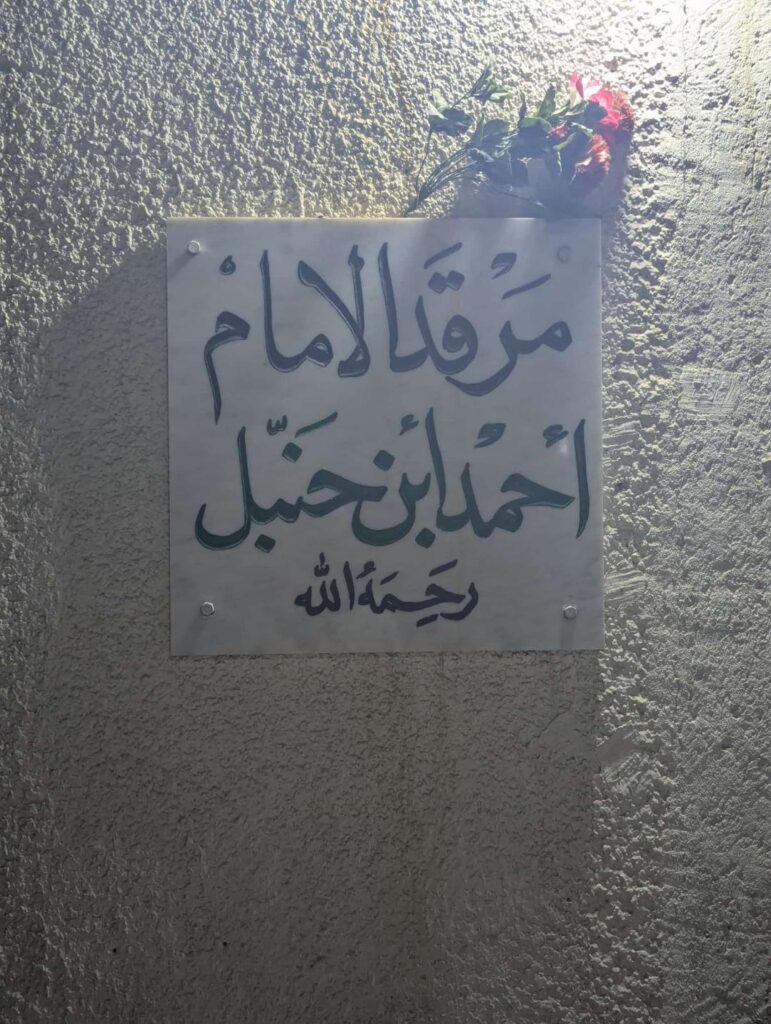
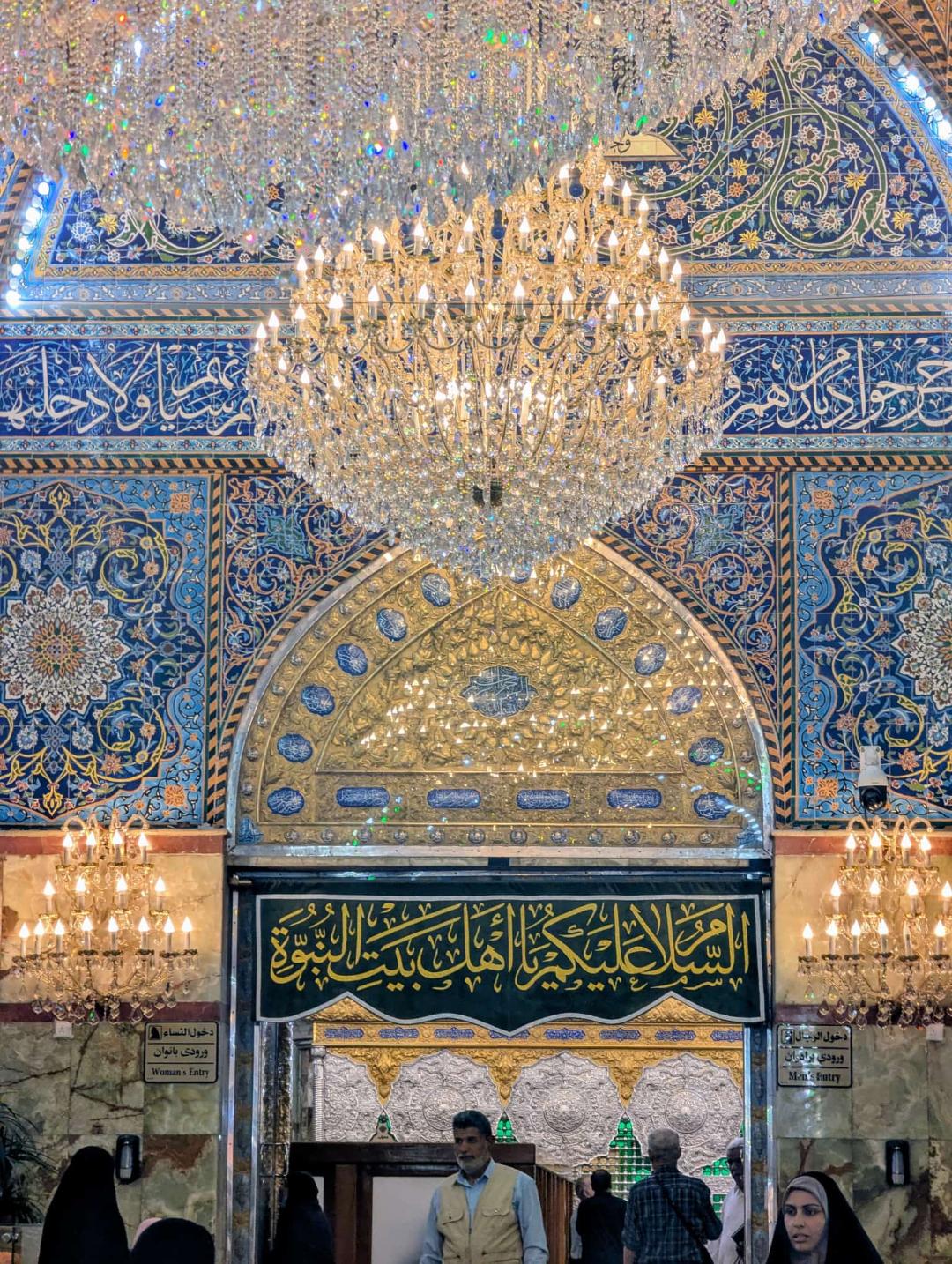
One of the greatest disappointments of this journey was the grave and house of Imam Ahmad RH had not been looked after. Most tombs in Iraq were well looked after as you saw yesterday and the day before, some with gold plated doors and chandeliers on the ceiling. In the following pages you will see how well and preserved the Shia sites are. Imam Ahmad RH was one of the greatest Sunni Imams, his largest following is in Saudi Arabia and they should fund the upkeep of his tomb.
In the earlier part of the second century, an ideology called Itizaal creeped into the Ummah. The people following this ideology were know as Mutazilah. This group were regarded as rationalists and philosophers. They would try and justify Islamic teachings and beliefs through ration and intellect. Their centre of focus were mainly issues like the attributes of Allah Ta’ala, seeing Allah in Jannah, predestination, free will, and the nature of the words of Allah, Ta’ala.
They gave preference to intellect, ration, and philosophy over the Divine revelation sent by Allah Ta’ala and over the words of his Prophet ﷺ.This ideology gained popularity during the reign of Mamun Rashid, so much so that it turned into a state religion, and their views were imposed upon the people, and the masses were forced to accept them.
The issue of the nature of the words of Allah Ta’ala, the Quran, became a major tenet of this school of thought and it was considered a criteria for determining ones adherance to the Mutazili school of thought. The Mutazilis held that the Quran (The words of Allah) are a creation of Allah, whilst the Ahlul Sunnah Wal Jamaat maintained that the words of Allah are an attribute (sifat) of Allah and not a creation of Allah.The Mutazilis would punish and torture those who wouldn’t accept their views. Mamun Rashid once summoned all the big Ulama of the time to question them with regard to their beleifs about the nature of the words of Allah Ta’ala. Some of those scholars accepted the views of the Mutazilis, out of fear, whilst other scholars stayed firm on the belief of the Ahlul Sunnah. Out of them, some such as Ishaq Ibn Ibrahim, Bishr ibnul Walid, and Ibrahim al-Mahdi were executed, and many were thrown into prison.
After some time, Imam Ahmad RH was brought before the governor in Baghdad. He was tied with four chains fastening his legs and was told to submit tHe was then brought in front of the Caliph. The Caliph ordered that Imam Ahmad RH should be given 34 lashes. After each whip, Imam Ahmad would say, “Give me some proof from the Quran or Sunnah, then I could accept your view. Imam Ahmad RH was imprisoned and tortured for 28 months. People who felt for him, would visit him and narrated the Hadith to him, that in such a situation one is allowed to even utter words of Kufr to save ones life. Imam Ahmad RH would reply, “But what do you say of the Hadith of Khabbab which says that there were people who were slaughtered into two, but they did not give up their faith.” Subhan Allah!
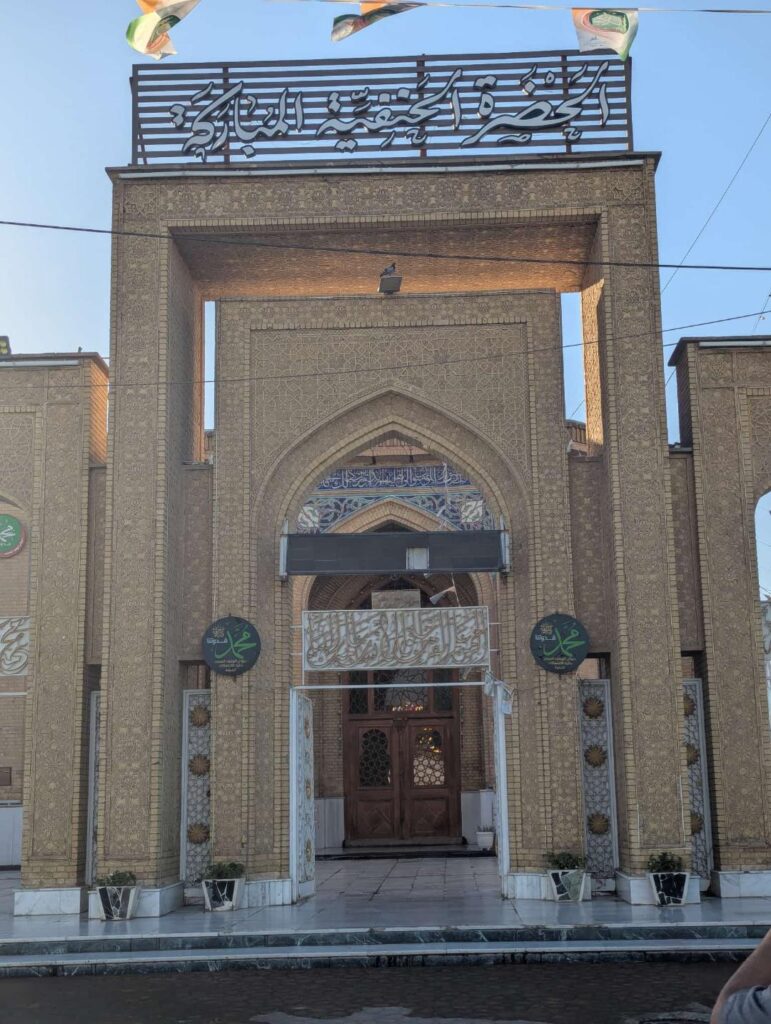
Day 2
Imam Abu Hanifa's RH full name was Numan ibn Thabit. Imam Abu Hanifa RH was born in Kufa in the year 80 and passed away in 150 after hijrah. Imam Abu Hanifa RH is the first of the four Imams of the different schools of thought. It is the Sunnah of Allah SWT that He executes His will through some natural means which serves to strengthen the faith of those who examine these signs and ponder over them. History reveals that in Islam's darkest times this religion was safeguarded through beacons of light in the form of the righteous individuals who upheld Islam.
Imam Abu Hanifa: The Juggernaut of Jurisprudence
Abu Huraira RA narrates the Prophet ﷺ said: "If deen was suspended from the Thurayya star (Pleiades) and the Arabs are unable to reach it, then a man from the sons of Persia will be able to reach it." (Saheeh Muslim).
Allamah Suyuti RH mentions that this hadith refers to Imam Abu Hanifa RH. The reason being there was nobody equivalent to that level of knowledge during his time.One of Imam Abu Hanifa’s first areas of focus was the subject of Aqidah. Aqidah is the study of Islamic theology, which was threatened by the deviant ideologies festering in Kufa at the time. Imam Abu Hanifa RH would champion the field, debating against the figures of the aberrant creeds. One of the most noteworthy stories of Imam Abu Hanifa RH that highlighted his knowledge was his confrontation with an orator from the Romeo-Christian land. The man posed three questions: Where is Allah (SWT) facing, what was before Allah (SWT), and what is Allah (SWT) doing right now?In his response to the first question, Imam Abu Hanifa RH lit a candle and asked the man where the light of the candle was facing. He declared, similar to how the light of the candle was not directed one way and filled up the room, the same was true of the nur (blessed light) of Allah SWT. On the next question, Imam Abu Hanifa RH had the questioner count back from ten. He encouraged the questioner to continue after number one and the questioner responded that he could not. Abu Hanifa said in the same way, we do not entertain a “before” to Allah SWT because it is out of our comprehension. Before answering the last question, Imam Abu Hanifa RH requested to give his answer from a high placeThe questioner obliged and Imam Abu Hanifa RH responded to the last question saying Allah SWT had disgraced the questioner by giving the higher physical state to the one who protected his Deen.
Allah grant Imam Saheb coolness in his grave and a lofty status in Jannah, may we follow in his footsteps, Ameen.
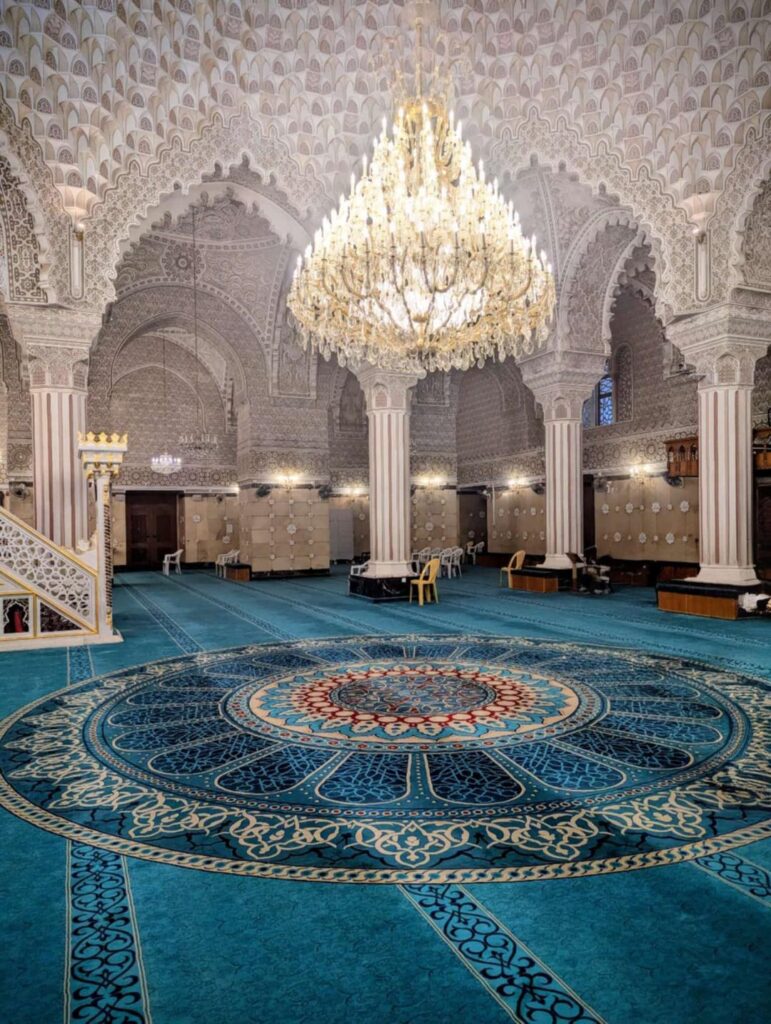
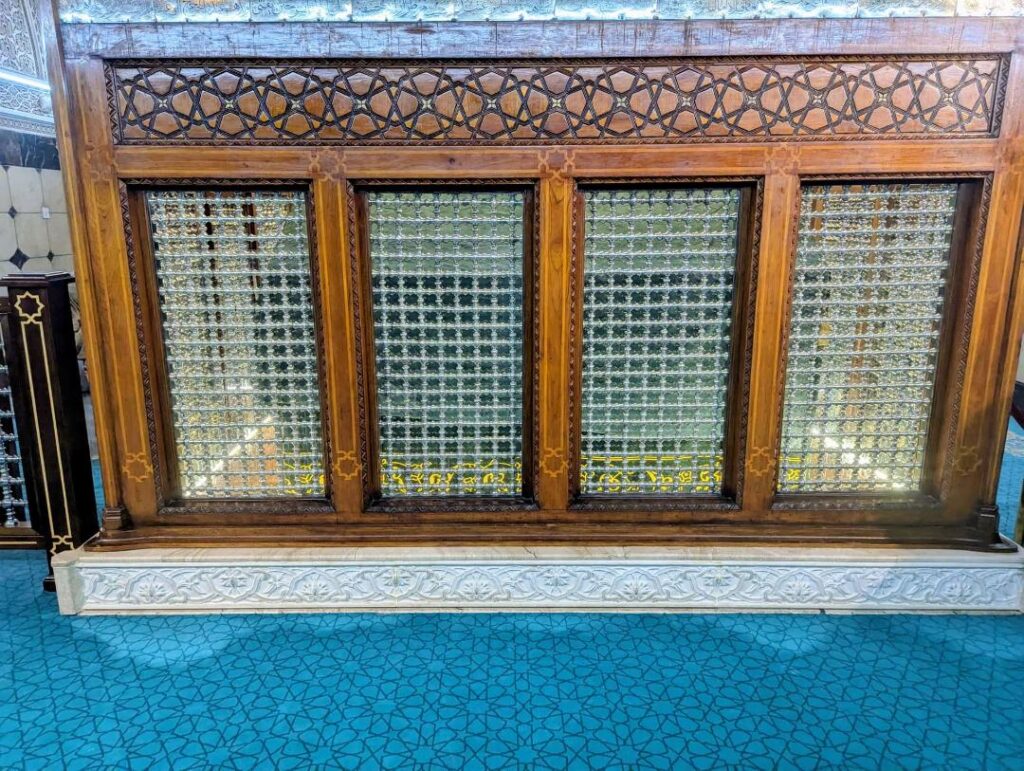
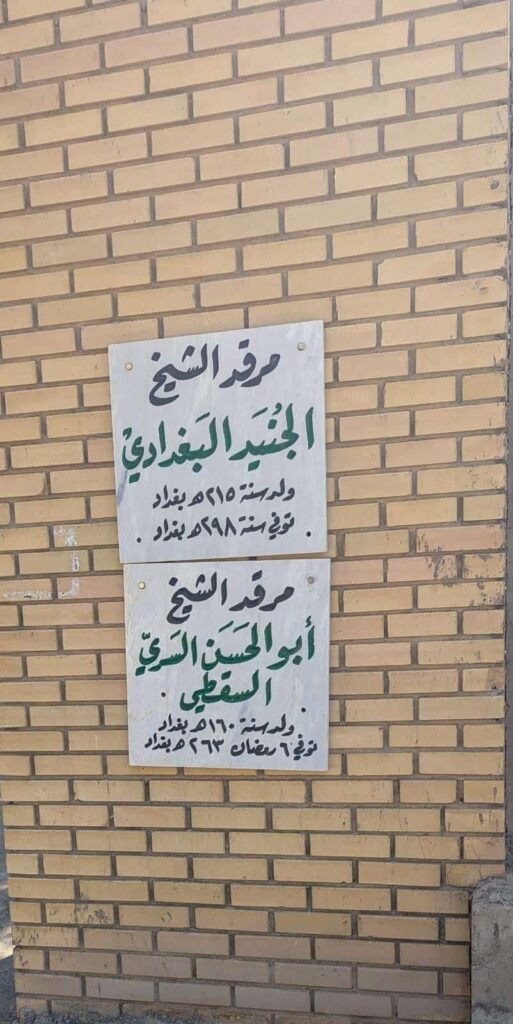
Junayd al-Baghdādī’s efforts were instrumental in bridging the gap between taṣawwuf and the scholars of fiqh, reconciling their perspectives and earning him broad recognition within Ṣūfī circles. For his commitment to engaging with society and guiding the people without retreating into isolation, he was honoured with the title Sayyid al-Ṭāʾifah (Master of the Ṣūfī Order). In the following, we take a brief glimpse into the eventful life and legacy of Imām Junayd al-Baghdādī RH.
Prior to sainthood, Junaid Baghdadi RH was a skilled warrior and an undefeated world-renowned wrestling champion. One day the King of Baghdad issued a challenge, “Today, if any man defeats Junaid, I will give him whatever he asks.”
A man came forth and accepted the challenge. The crowd gasped in shock for the man was feeble and weak. So weak that his skin was hanging off his bones. The King remarked “It seems that death is calling him. How will he beat Junaid? He won’t withstand a slap.” The man remained firm in his call, he wanted to fight. The fight became official and Junaid entered the arena. Just before the fight took place, the man whispered into Junaid's ear. He said “Everyone is right, I cannot withstand your strike but I have no choice. I have two daughters who are ready for marriage but I own nothing. In my shame, I wish to die. I either jump into the ocean or die by your hands.”
Junaid replied, “If you need wealth, go ask the King and he will help.” The man responded “I cannot ask anyone for anything. I am from the offspring of the Prophet ﷺ, a Sayyid, it is forbidden for me to ask. Now, you can lose and sacrifice your honour of the world but you will gain honour in theJunaid pondered over the offer. If he lost, he would lose his fame and reputation. If he won, with what face would he face the Prophet ﷺ? The whistle blew and the fight commenced. To avoid suspicion, Junaid displayed some finesse in his manoeuvres but allowed himself to be pinned. The man mounted his chest and was victorious.
After succumbing to his first loss, the people disowned Junaid. When he arrived home, he began crying but his heart was content. That night, the Prophet ﷺ came to him in a dream and said, “O Junaid! You sacrificed your honour and kept the dignity of one of my sons. As of today, your name is raised amongst the Awliya.”The next day, the King summoned Junaid and said, “O Junaid, we know you. No man can compete with you and yet yesterday you hardly fought. Tell me this, why did you fall and let the man beat you?”
Junaid responded, “I am not Shimr who stands on the chest of the offspring of the Prophet ﷺ. The man was a Sayyid so how could I stand upon his chest? Yes, I sacrificed my honour for the sake of the Prophet ﷺ and from today I need not wrestle. From today, I shall spend my life in the love of the Prophet ﷺ.”
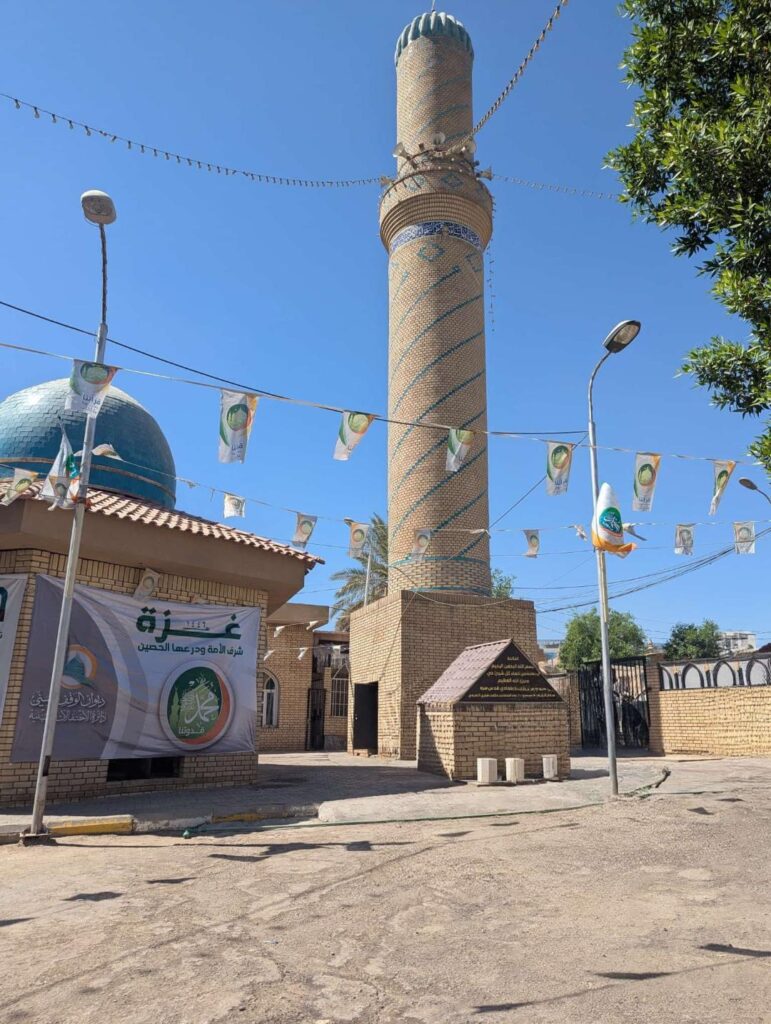
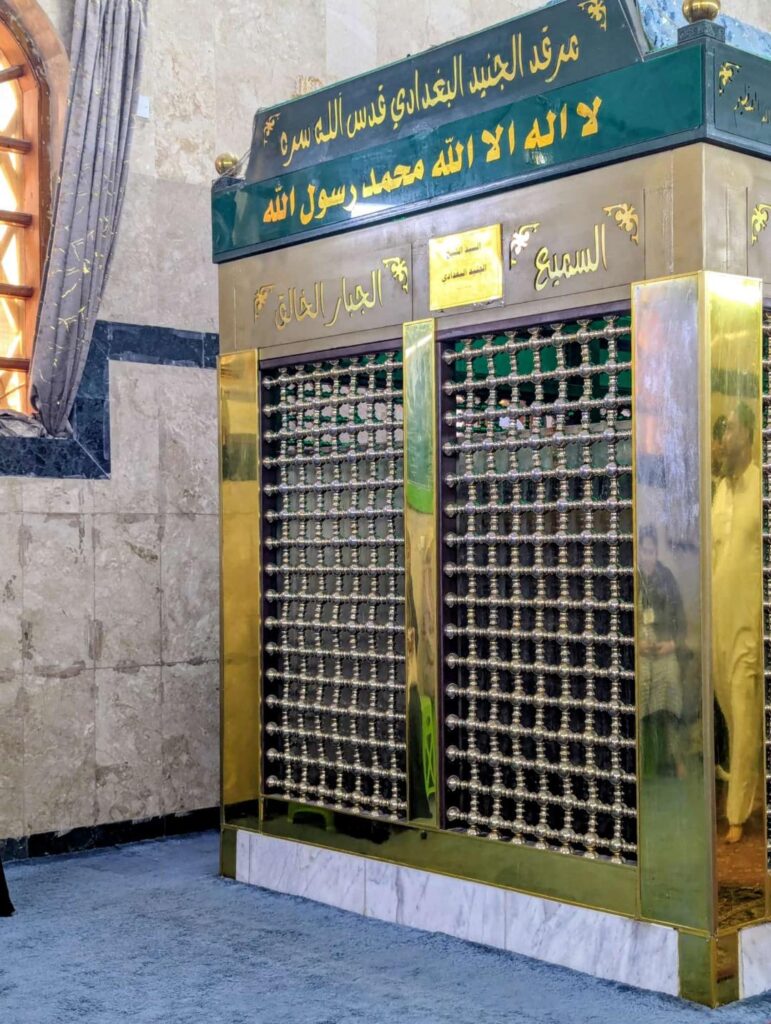
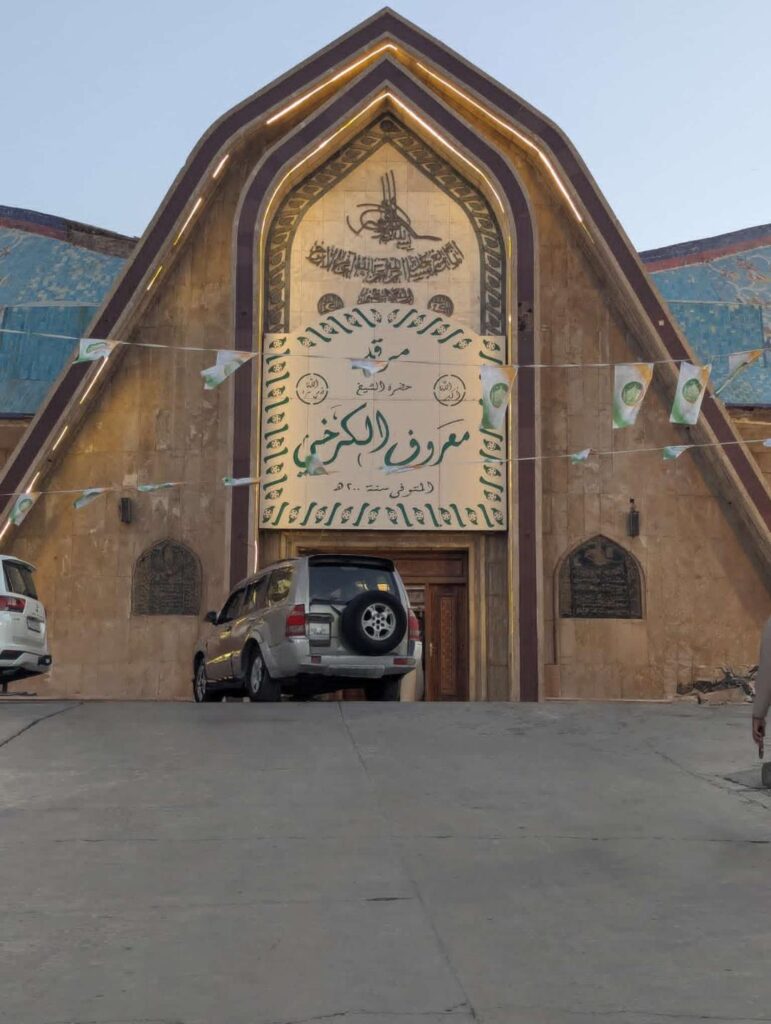
His full name was Abu Mahfuz Ma’ruf b. Firuz al-Karkhi. Shaykh Ma’ruf al-Karkhi RH was born to Christian parents but, from an early age, he rejected it, even when beaten for it at school, the whole doctrine of the Trinity and declared his conviction that God is One. Eventually, according to the same authority he ran away from home and his parents pined for him. They said in his absence that, so long as he came back to them, they would surely approve and accept whatever religion he chose for himself. Some years later, he did call at their door. He announced himself by name adding that he was now a Muslim. His parents promptly converted to Islam at his hands.

Once one of Ma‘ruf Al-Karkhi RH friends asked him the following, “What is it that has caused you to abstain from the world and from the creation of God, and remain in seclusion, remembering Almighty God? Is it the fear of Death and the grave, or the fear of Hell, or the enthusiasm of attaining Paradise?” Ma‘ruf Al-Karkhi RH said, “O My Friend! You discuss such minor things. What are all these worth in front of the creator Almighty God? All these are but humble subjects of Almighty God. Once you taste the pleasure of his closeness, then you will not think of any of the other things (you have mentioned).”

Shaykh Maroof Karkhi RH is well known for his high ranking in Tasawwuf. His calibre is evident from his students:
Shaykh Junaid Baghdadi RH
Shaykh Sarri Saqti RH
Shaykh Bishr Haafi RH
Shaykh Shibli RH
Even Shaykh Abdul Qadir Jilani would visit his grave for meditation (they were 200 years apart).
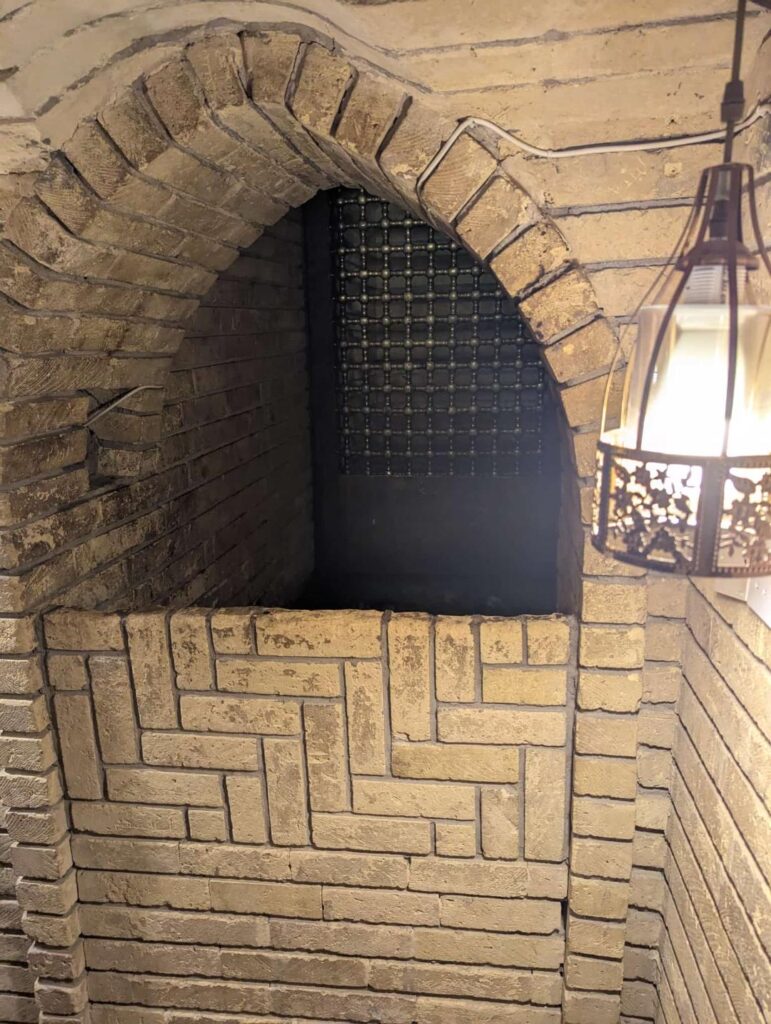
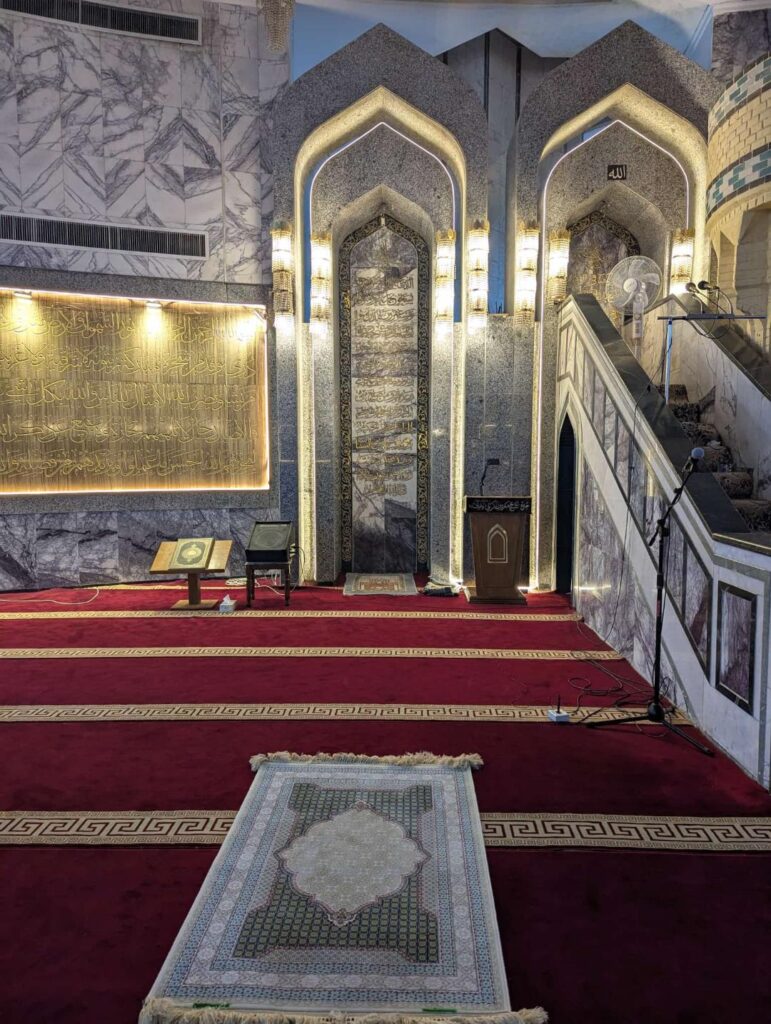
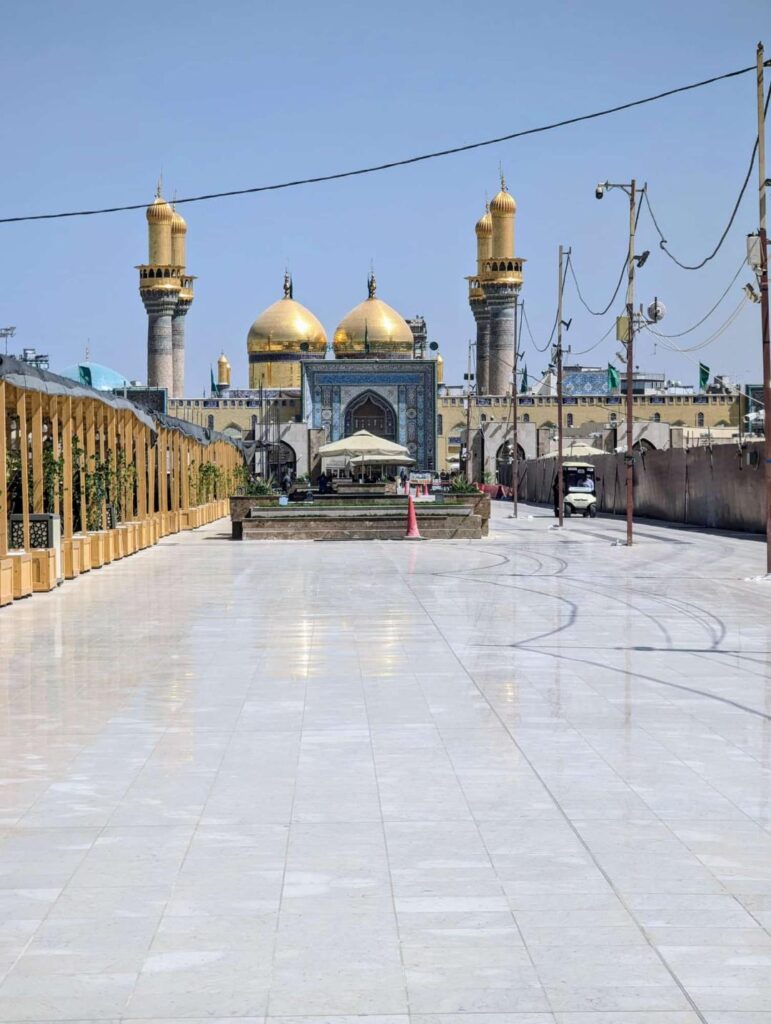
Musa ibn Jafar al-Kazim (Allah have mercy on him) was the great grandson of Hussain RA. He was born in 745 in Madiha Munawwarah, his father was Jafar al-Sadiq RH.
The Twelver Shias class Musa Kazim RH as the seventh Imam. Therefore you will see the tomb decorated with elegance.
Imam Abu Yusuf Yaqub ibn Ibrahim (113-182) was the foremost student of Imam Abu Hanifah and the first chief judge in Muslim history, he was also a Hafidh of Hadith.
During the day he would listen to cases and give fatwas, during the night he would teach hadith and fiqh.
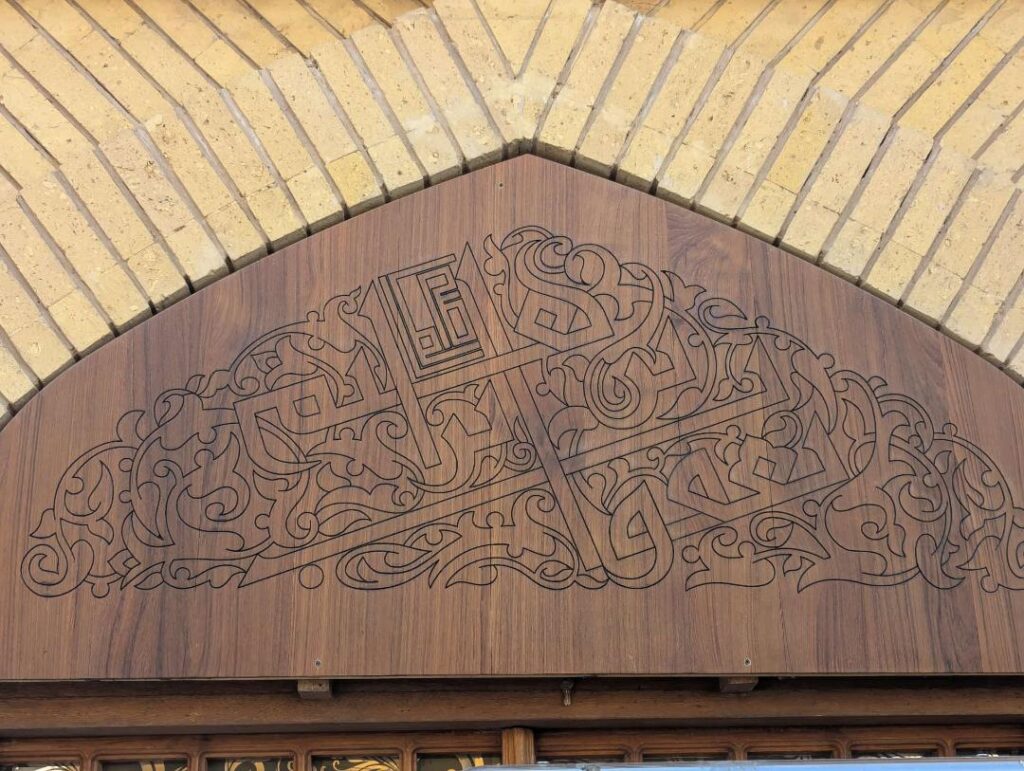
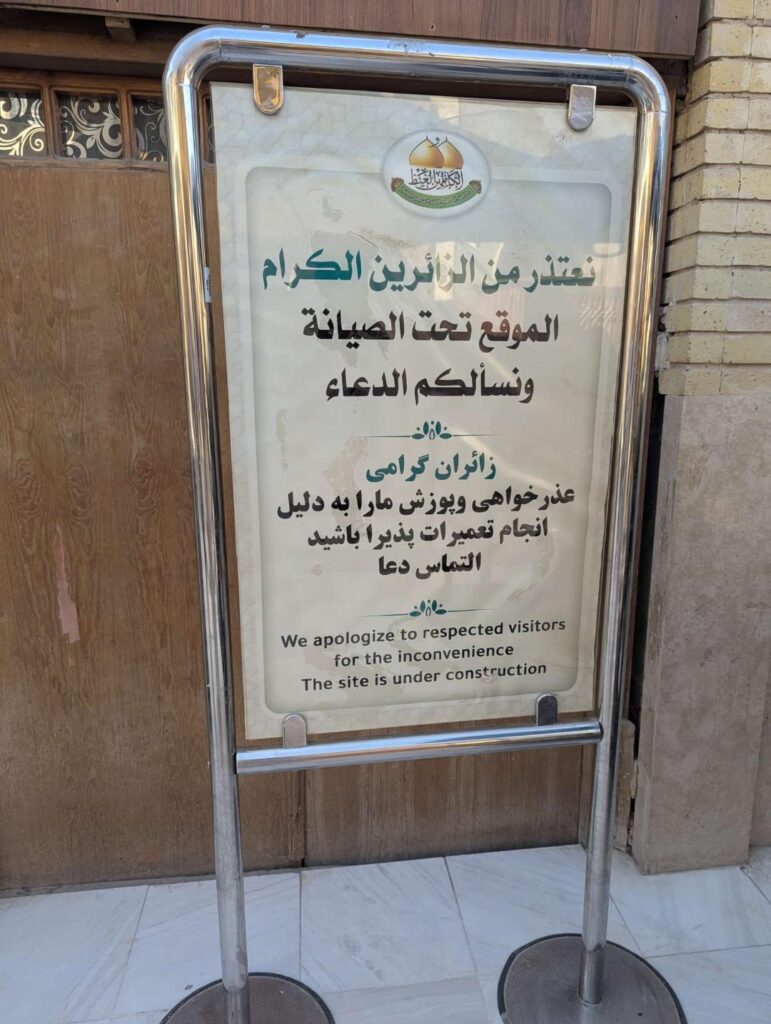
Behind the grave of Musa Kazim RH is the grave of Imam Abu Yusuf RH (tomb is under construction so we weren’t allowed inside)
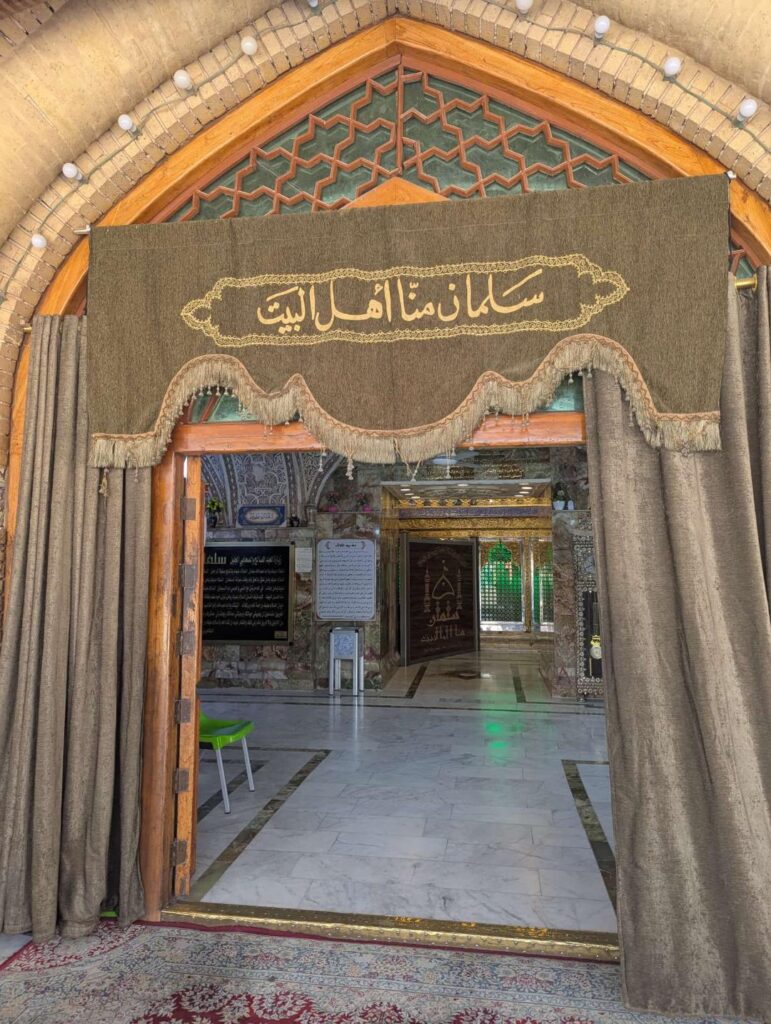
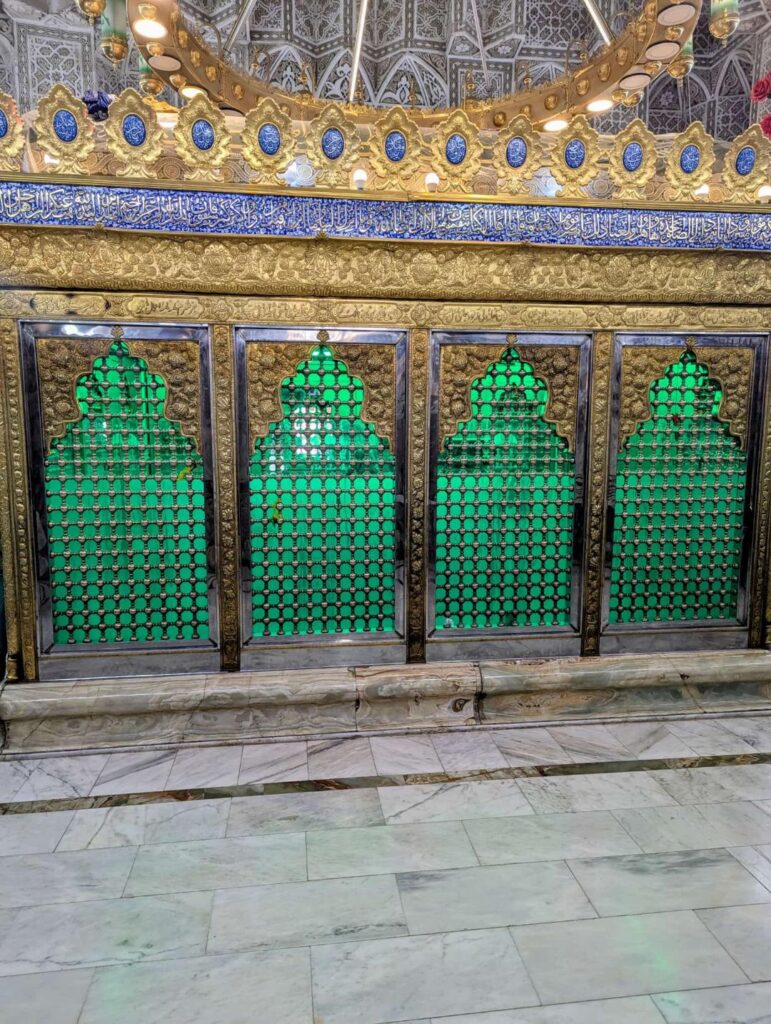
The Prophet ﷺ said: "Salman is one of us - the people of the household." (Mustadrak Hakim)
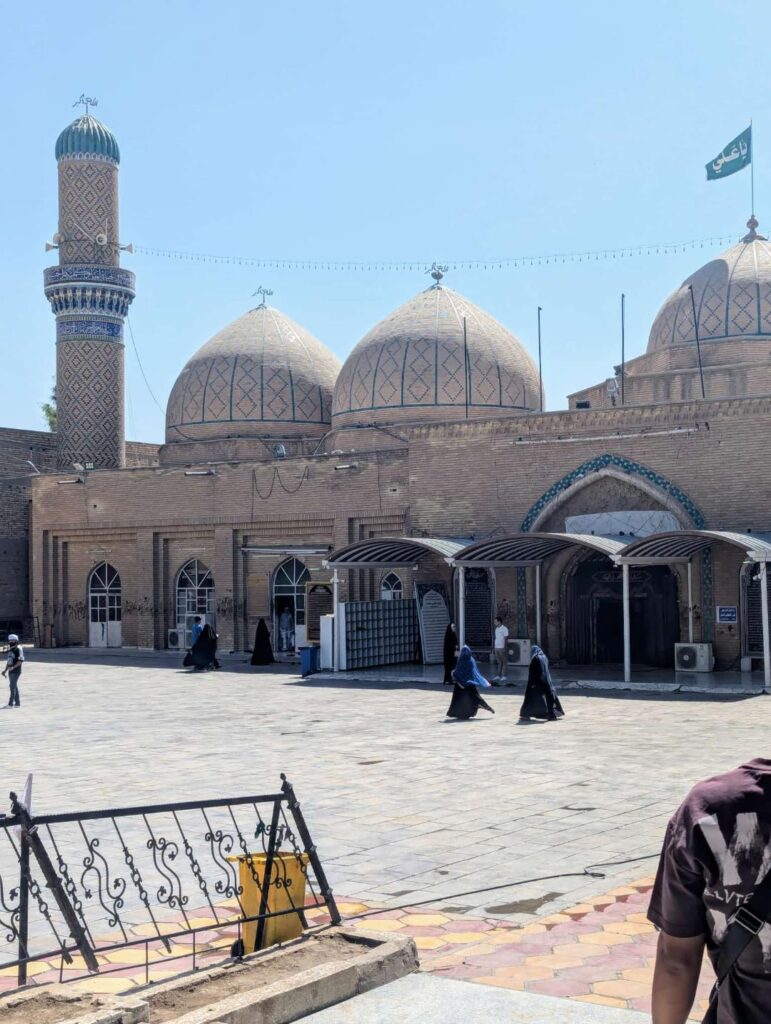
Salman Farsi (Allah be pleased with him), also known as Salman the Persian was a companion of the Prophet Mohammad ﷺ and the first Persian who converted to Islam. Salman Farsi RA was born in Isfahan, Iran, and was originally named Ruzbih. According to traditions, his father, Khushfudan, was an Iranian landholder who practiced the Zoroastrian religion. However, the family later converted to Christianity.
As Salman Al Farsi RA grew up in his hometown in Iran, his father’s love for learning about the new religion encouraged him to send his son to Syria to study under leading Christian scholars. However, Salman Al Farsi RA had other plans. He was eager to learn more about the religion of Ibrahim AS, and he used his travel plan to Syria as an escape in search of the Prophet ﷺ in the land of Arabs.
On his way to Hijaz, Salman Farsi RA was enslaved and sold to a man in the Banu Qurayza tribe in Madinah, an influential Jewish tribe. The event occurred around the same time the Holy Prophet ﷺ had recently migrated to the city from Makkah. Since both Salman Farsi and the Holy Prophet ﷺ were both in Madinah, Salman Farsi RA quickly learned about the presence of a prophet who recently migrated from Makkah.

When Salman Farsi RA first met the Holy Prophet ﷺ in Masjid e Quba in Madinah, he shared some food as a present which the Prophet (P.B.U.H.) accepted, but he didn't accept Sadaqah. Salman RA saw the seal of Prophethood and recognised that Islam's teachings aligned with the religion of Abraham.
After a few more interactions in and outside the masjid, Salman Farsi RA decided to convert to Islam solely inspired by the Prophet’s ﷺ character.
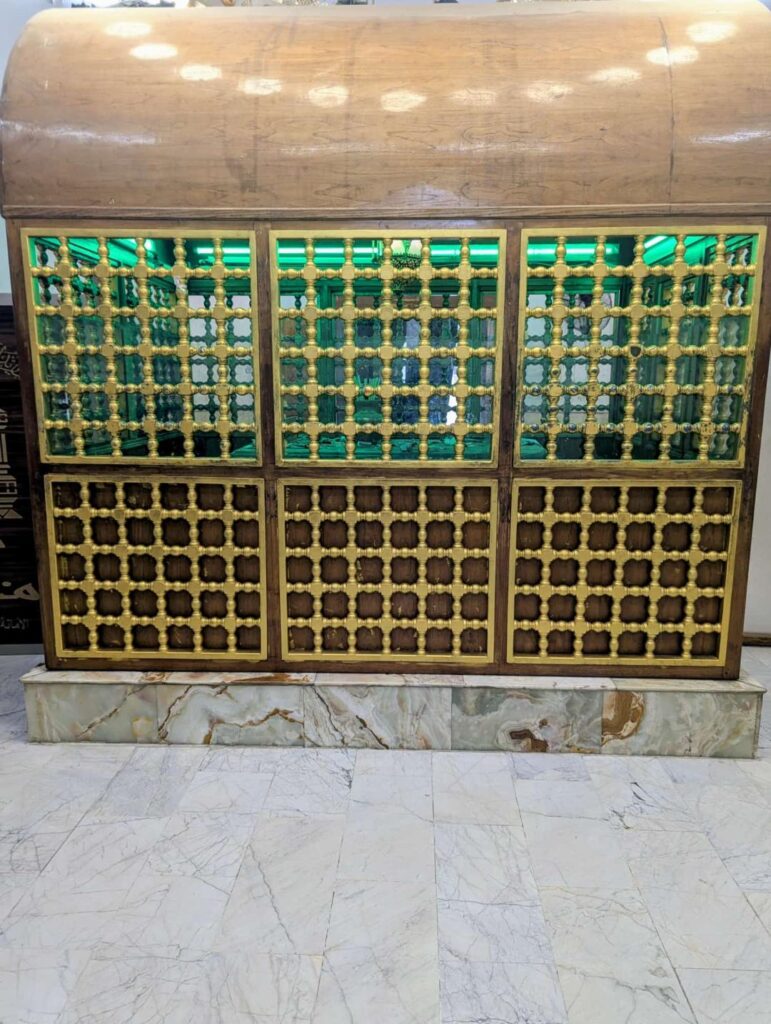
"If you wish you may consider yourself among the Muhajirin or, if you wish, you may consider yourself one of the Ansar. Choose whichever is dearer to you." With these words, the Prophet ﷺ addressed Hudhayfah ibn al-Yaman when he met him for the first time in Makkah. How did Hudhayfah RA come to have this choice'?
His father, al-Yaman was a Makkan from the tribe of Abs. He had killed someone and had been forced to leave Makkah. He had settled down in Yathrib, becoming an ally (halif) of the Banu al-Ash-hal and marrying into the tribe. A son named Hudhayfah was born to him. The restrictions on his returning to Makkah were eventually lifted.

The gravest problems the Muslims of Madinah had to face was the existence in their midst of hypocrites particularly from among the Jews. Although many of them had declared acceptance of Islam, the change was only superficial, they continued to plot and intrigue against the Prophet and Muslims. Because of Hudhayfah's ability to keep a secret, the Prophet ﷺ confided in him the names of the munafiqin. It was a weighty secret which the Prophet didn't disclose to any other companions. He gave Hudhayfah RA the task of watching the movements of munafiqin, following their activities, and shielding the Muslims from their sinister actions.
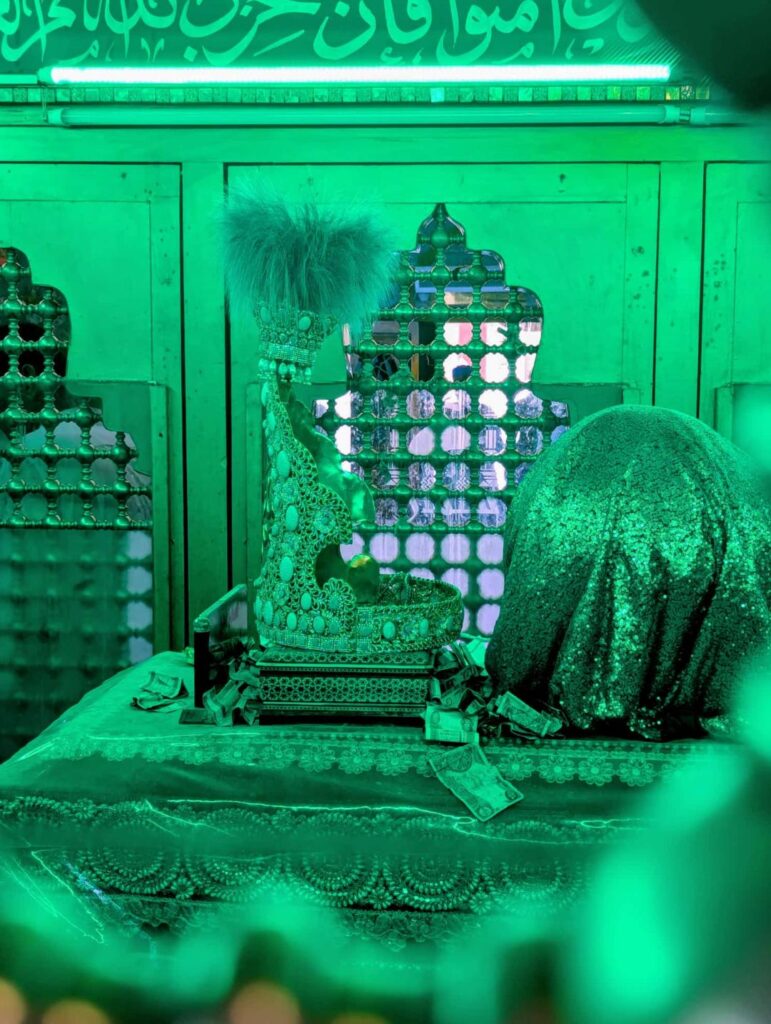
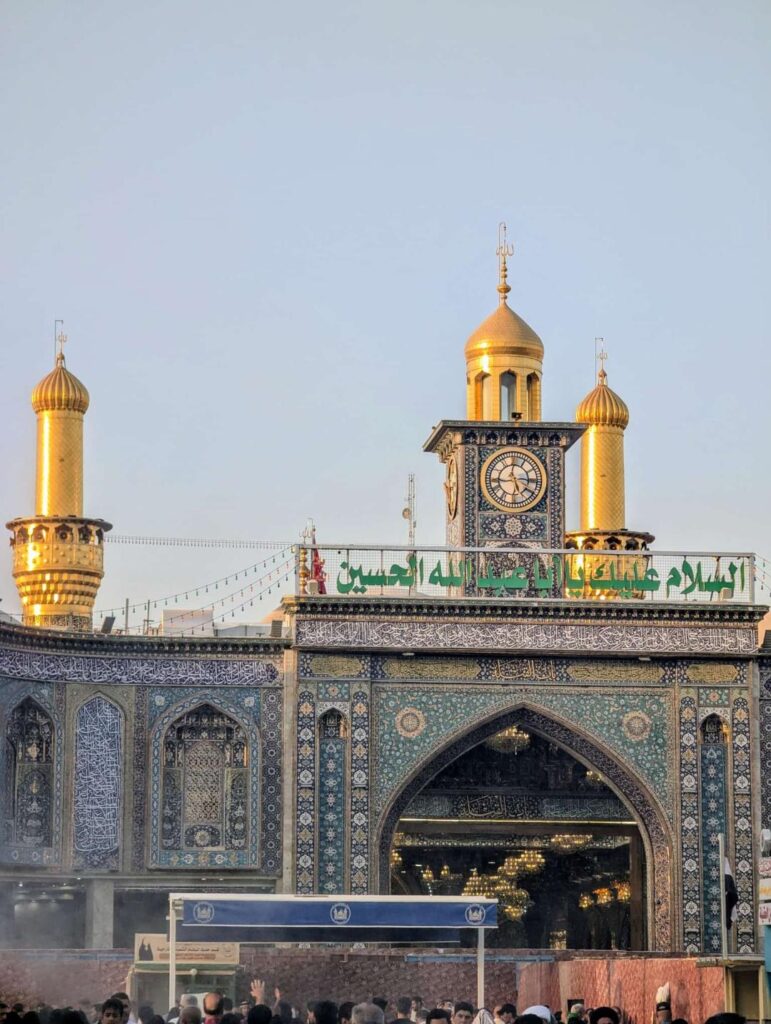
The Battle of Karbala took place on the 10th of Muharram in the year 61 A.H., approximately 50 years after the death of the Prophet Muhammad ﷺ. At this time, the Muslim rulership had been transferred to Yazid, son of Muawiyah RA. Yazid’s rulership was filled with corruption and violence, and Hussein RA son of Ali ibn Abu Talib RA and grandson of the Holy Prophet ﷺ took a stand against it. Yazid was hated for his violence, and knew Hussein RA was respected by society.
Thus, in order to validate his methods, Yazid went to force Hussein RA for his pledge of allegiance towards him. Hussein RA was raised in the Household of the Prophet ﷺ and was raised on the principles of truth and justiceAfter refusing to give allegiance to Yazid, Hussein RA took the ultimate stance for justice on Ashura, where he and his 72 companions, outnumbered by Yazid’s army of 33,000 men, were massacred.
The Battle began after the afternoon prayers – with Yazid’s army leading the attack on Hussein RA and his companions. Despite having a limited number on their side, the companions of Hussein RA fought valiantly. Eventually, Hussein RA was killed, and the bodies of the martyrs were trampled upon. This revolutionary act for Justice and to save the Truth of Islam sparks spiritual, physical, emotional, social, cultural, and political revolutions to this day.
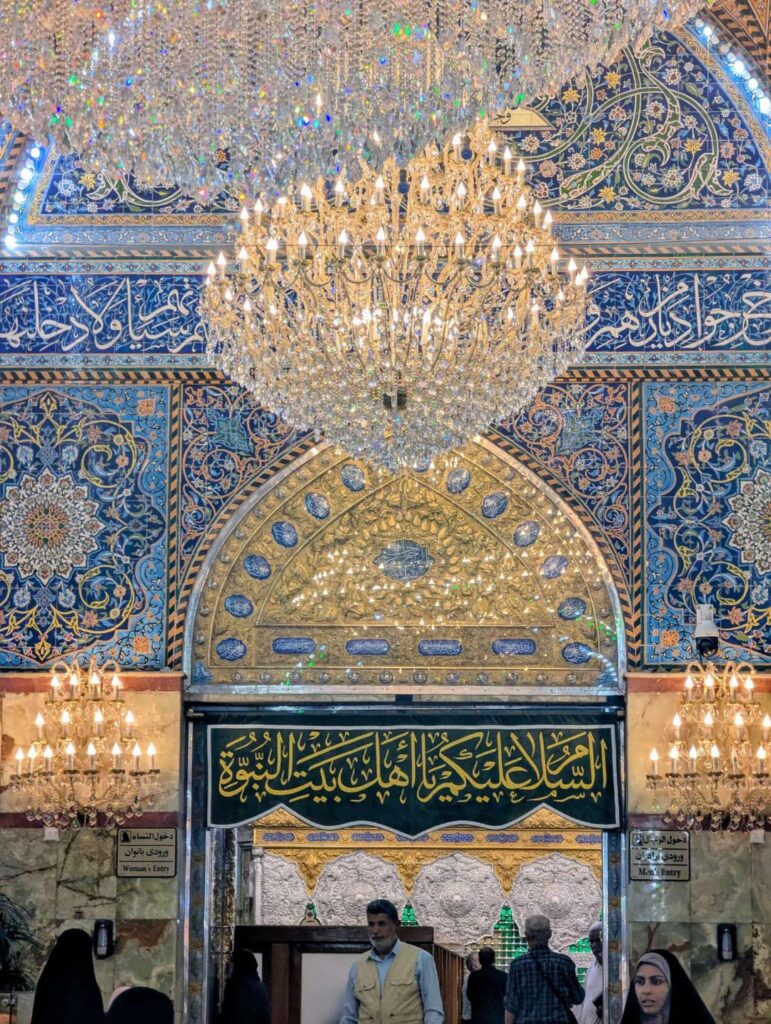
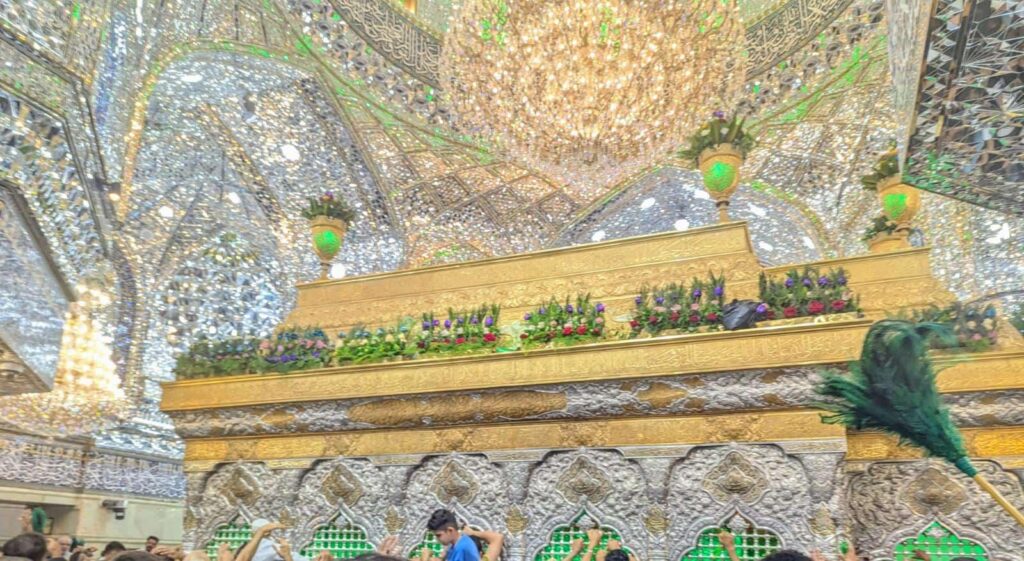
Now, we will touch upon Shias and their beliefs in brief:
There are three major branches of Shia Islam, Twelvers, Ismaili, Zaidi.
The Twelvers are the largest branch, they believe in a line of twelve divinely ordained Imams. Starting with Ali RA and ending with Imam Mahdi. Ismailis started from the sixth Imam Jafar al-Sadiq RA. Zaidis have a lot in common with Sunnis and do not believe in the concept of a hidden Imam.
The Twelvers are the largest group within mainstream Shiaism and they are the group that disrespect and curse Abu Bakr, Umar and Uthman RA due to the belief that they opposed the rising of Ali RA to be caliph.

They also disrespect the mother of believers Aisha RA. They highly respect the companions who supported Ali RA, as the is their first Imam. We have extremists in every sect, some extreme Shias even believe that Prophethood should not have been given to Muhammad ﷺ, rather it should have gone to Ali RA.

The majority of Iran are Twelvers, 95% (80 million). I have to mention this today, for the British youth who have praised Iran and Shias tremendously in the last two years (since Oct 7th) for their so-called support to Gaza. Don't be deceived by what you see online. Who killed Dr Ismail Haniyeh, the leader of Hamas last year in Tehran? Who planted the bombs six months beforehand? (Quoted by Mufti Taqi Uthmani Saheb). When the ceasefire was announced I don't recall any Gazans thanking Iran for their support? Qatar is one of the largest financial donors to Gaza and so is Turkey and there will be many Saudi citizens donating too.

Another notable group are the Alawites, mostly in Syria. They believe in the divinity of Ali RA, or even a trinity of God, Muhammad SAW and Ali. These are the Shias that killed thousands of Sunnis in the Syrian civil war and raped Sunni women in the masjid, with the microphones on, letting the whole town hear the screams of Sunni women getting raped. Think twice before you support them and praise Shia randomly because of some TikTok video you saw. Bashar Al Assad is also an Alawite, the damage he did is unforgivable.There's a lot more I can say on Shias and their hatred and oppression towards Sunnis, even in Iraq, after Saddam Hussain RH was martyred, America have put mainly Shia in charge of the government. Many of the Shia oppress Sunnis, to the point Sunnis are hiding their Sunnism and show that they are Shia. Regardless of whatever I have said above, we mustn't let our differences and hostility blind our hearts from feeling a level of humility, respect and pain when visiting these blessed places as they are the immediate family members of Nabi ﷺ.
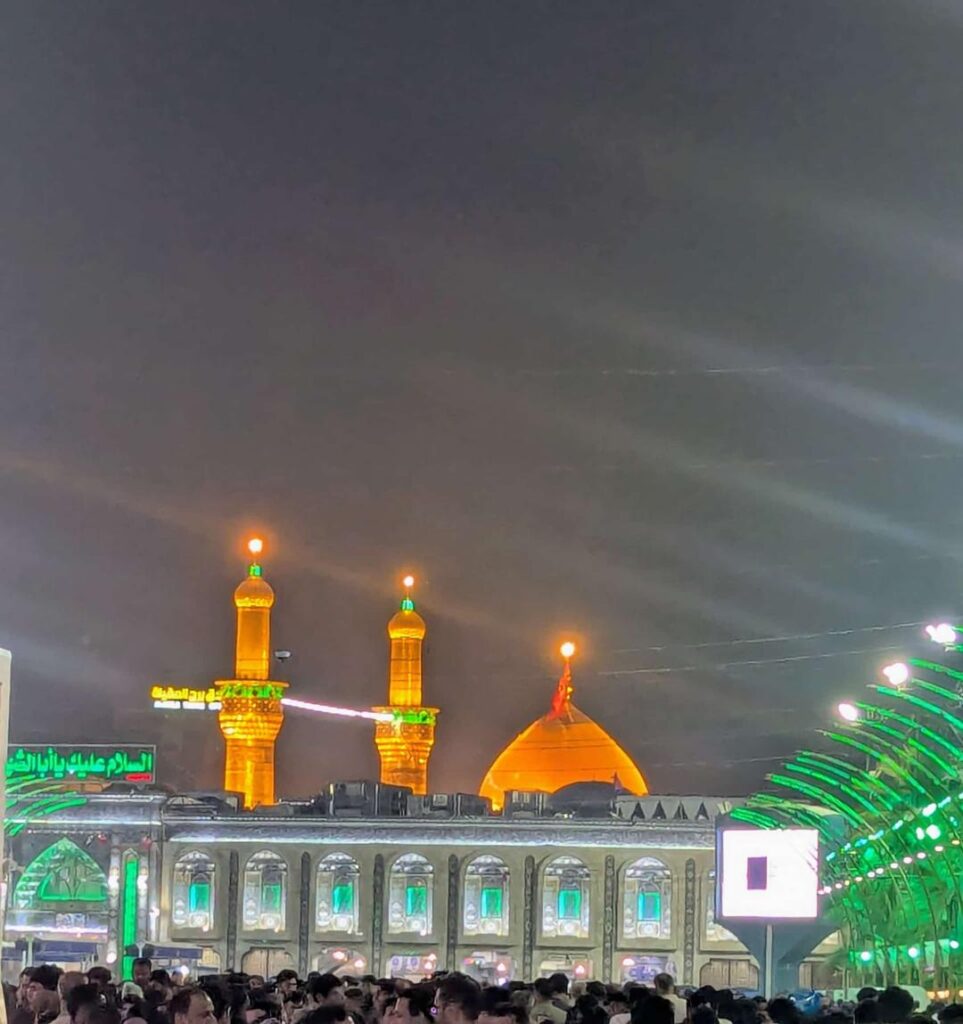
Abbas bin Ali was the son of Ali and Umm ul Banin RA. Abbas was born on 4th Shabaan 26AH. He was known for his bravery, courage, and loyalty to his family and his faith.
Ali ibn Abi Talib RA married Umm ul Banin after the death of his wife, Fatima bint Muhammad ﷺ. Ali RA was specifically looking to marry a woman who could be the perfect mother figure for his children and birth him a brave and valiant son. Ali RA instructed his brother Aqil RA to find a woman fulfilling these criteria. Aqil RA identified Umm ul-Banin. After some time, Ali proposed to Umm ul Banin RA and married her.
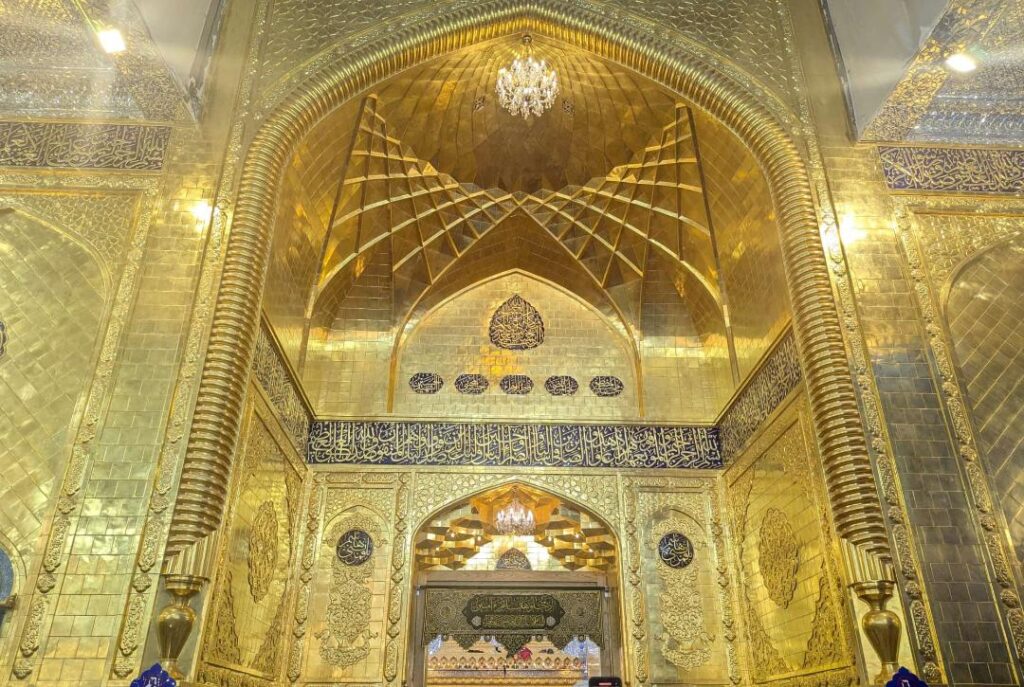
The story of Abbas’s quest to fetch water for the women and children at Karbala displayed all his good qualities in one go – none more so than his bravery. The enemies of Hussain RA had taken control of the water supply and denied Hussain RA and his camp access to water.
On the day of the battle, Hussain RA and his army fought in the unforgiving heat of Arabia whilst not having drunk a sip of water for three days. At one point during the battle, Abbas RA could no longer see the children and women of Hussain’s RA camp suffering from thirst. He decided to take action and fetch water from the Euphrates river, which was located nearby.
Abbas RA reached the river and found that the enemy army had stationed itself around it and was guarding the access to the water. Abbas RA was undeterred and bravely charged towards the enemy, wielding his sword, and managed to break through their ranks and reach the river.
He then filled a bag with water and started to make his way back to the camp. The fact that he did not drink water despite being thirsty and preferred the woman and children to drink first says a lot about his character. On the way back, he was soon surrounded by enemy soldiers who attacked him with swords and arrows. Despite being outnumbered and under attack, Abbas continued to fight fiercely, using his shield to protect the bag of water. In the midst of the fighting, Abbas was struck by an arrow that pierced his eye and had both arms chopped off. He subsequently fell to the ground, called out to Hussain RA and died in his lap.
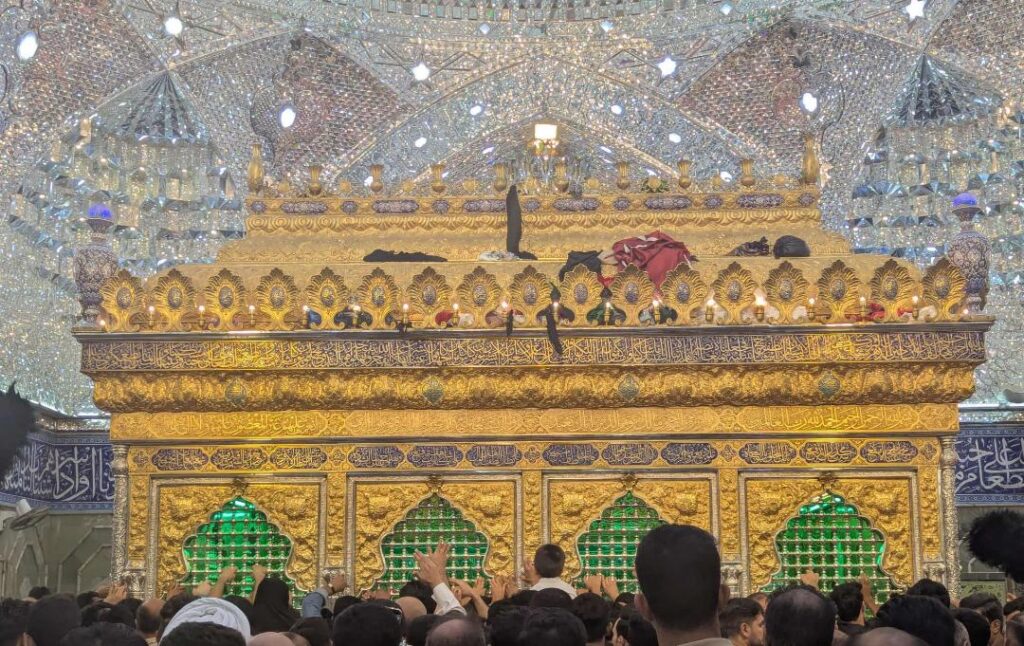
Ali ibn Abi Talib RA was the first cousin and son in law of the Prophet ﷺ, the fourth of the four rightly guided caliphs. The period of the Caliphate of Ali RA from 656 until 661 was the most tumultuous in his life. He was accused of failing to pursue the murderers of Uthman RA, foremost among his opponents was Muawiyah RA, the governor of Syria and a relative of Uthman. This led to the battle of Siffeen, which was prophecised in hadith.
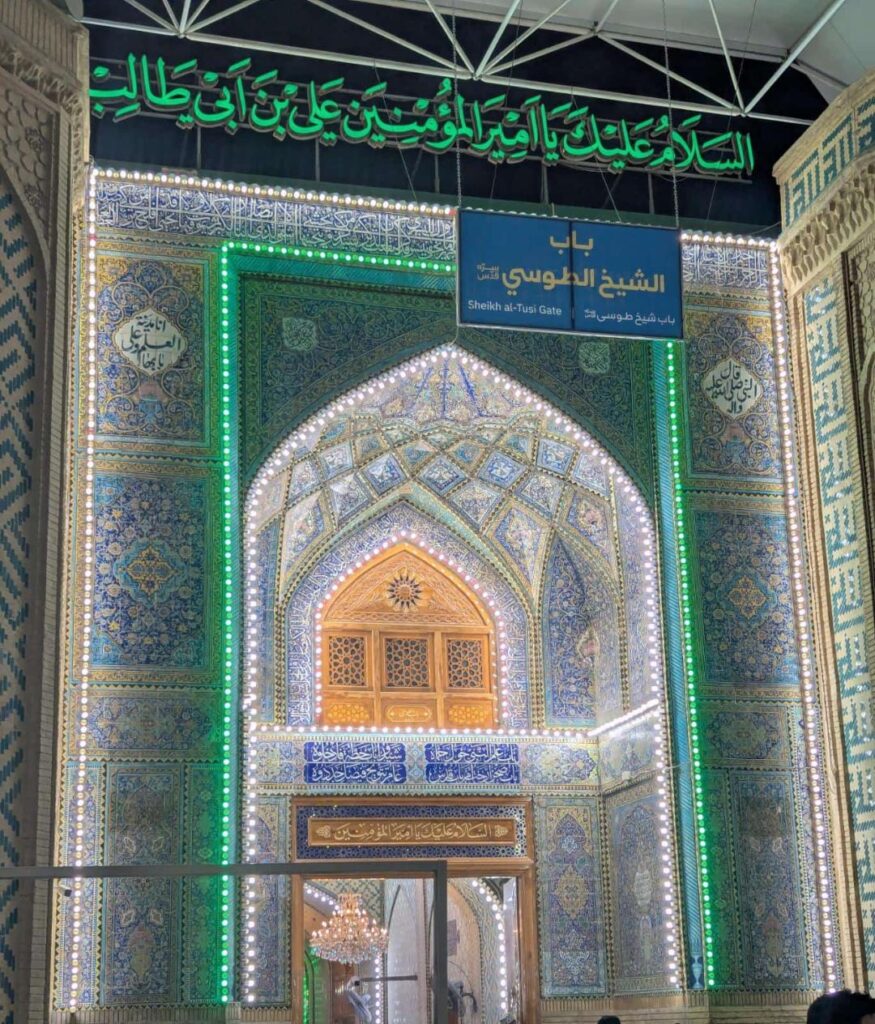
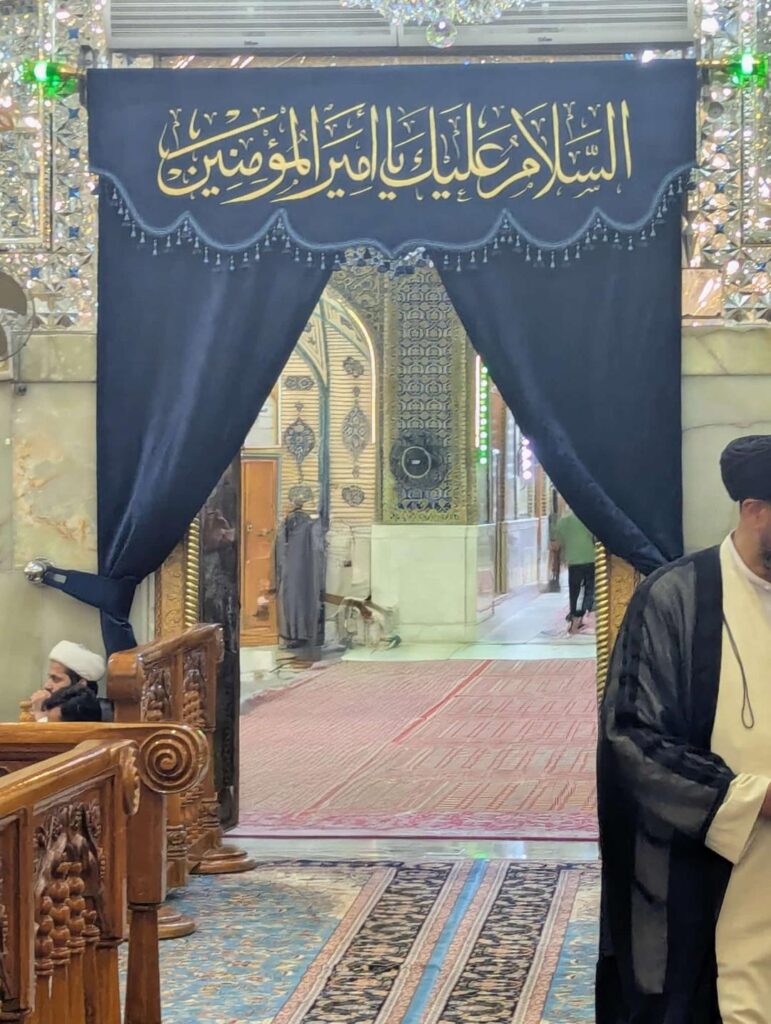
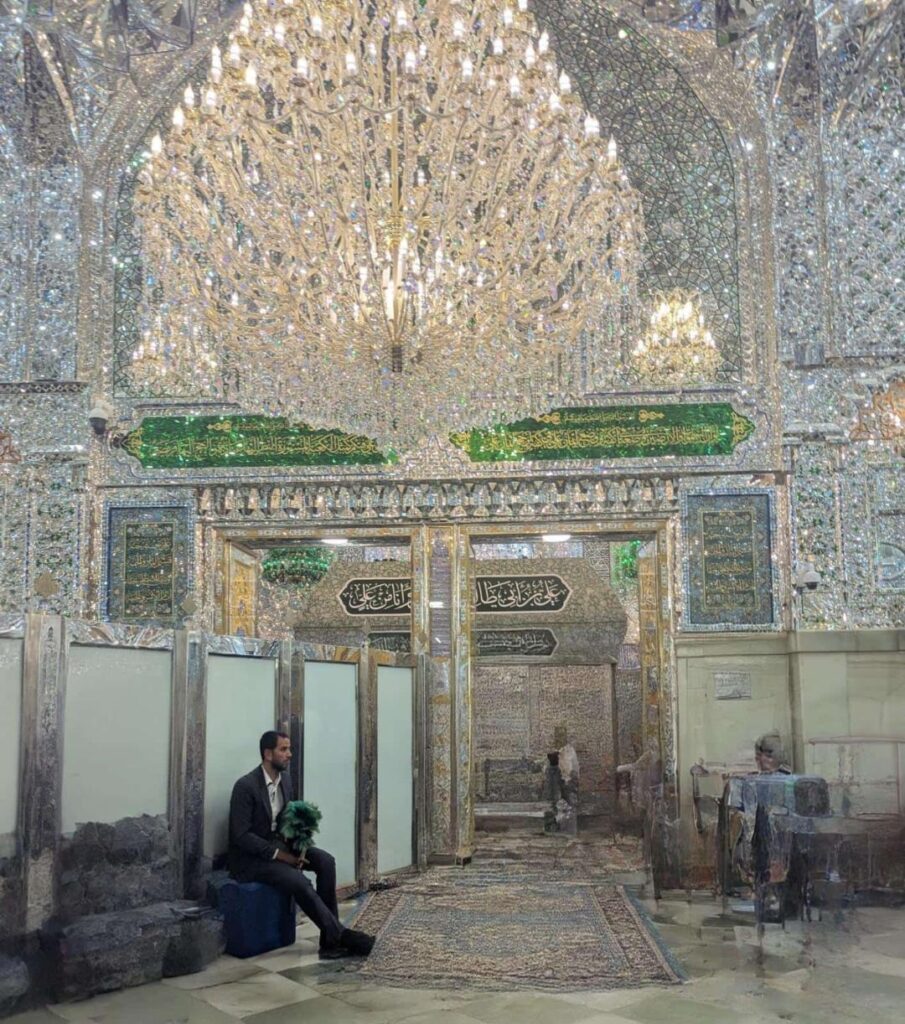
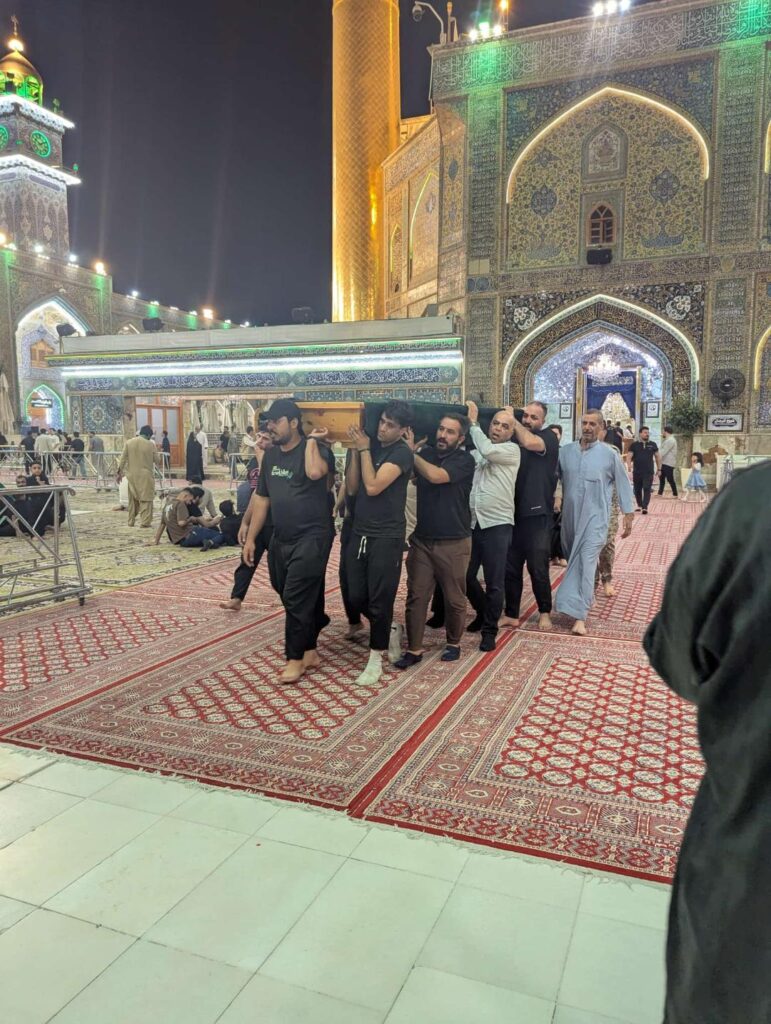
Wadee Salam, Najaf
https://youtube.com/shorts/QC0sFYPzzyE?si=7XDdDLccCkMbUI8j

The world's largest cemetery, 6 million people are buried there. Every Janazah that comes into the Masjid of Ali RA does a tawaaf of the grave of Ali RA then gets buried in Wadee Salam.
The cemetery has 6 million bodies buried there, due to the fact anyone can get buried in the cemetery, Sunni or Shia from anywhere in the world, to gain the closeness to Ali (Allah be pleased with him).
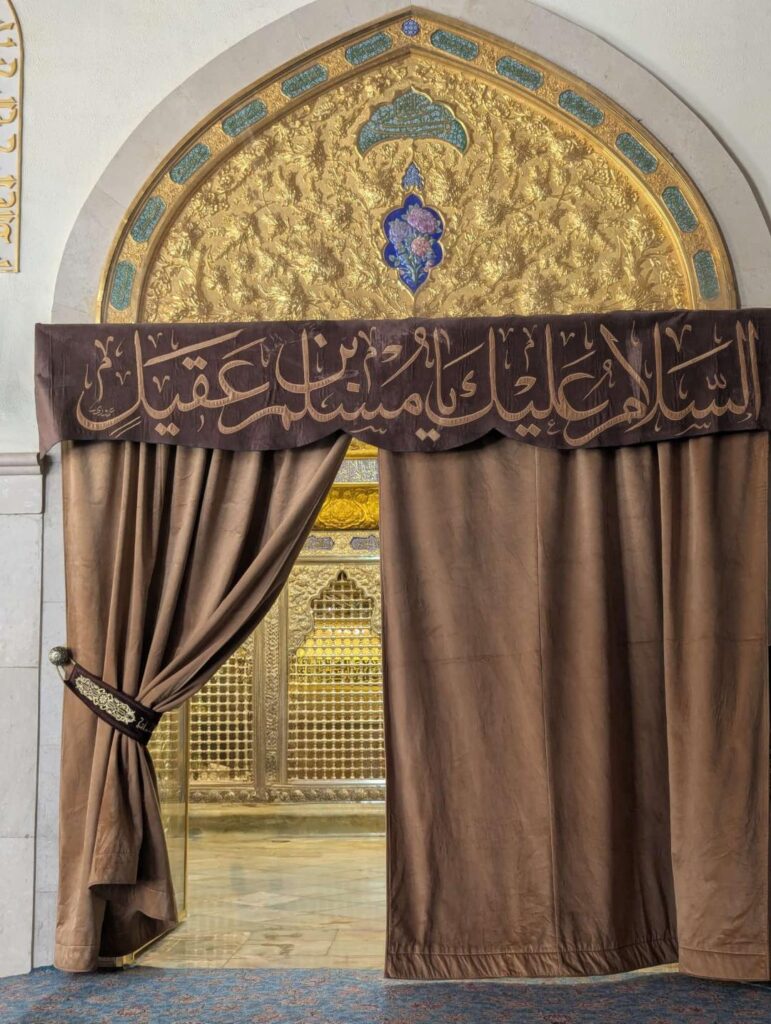
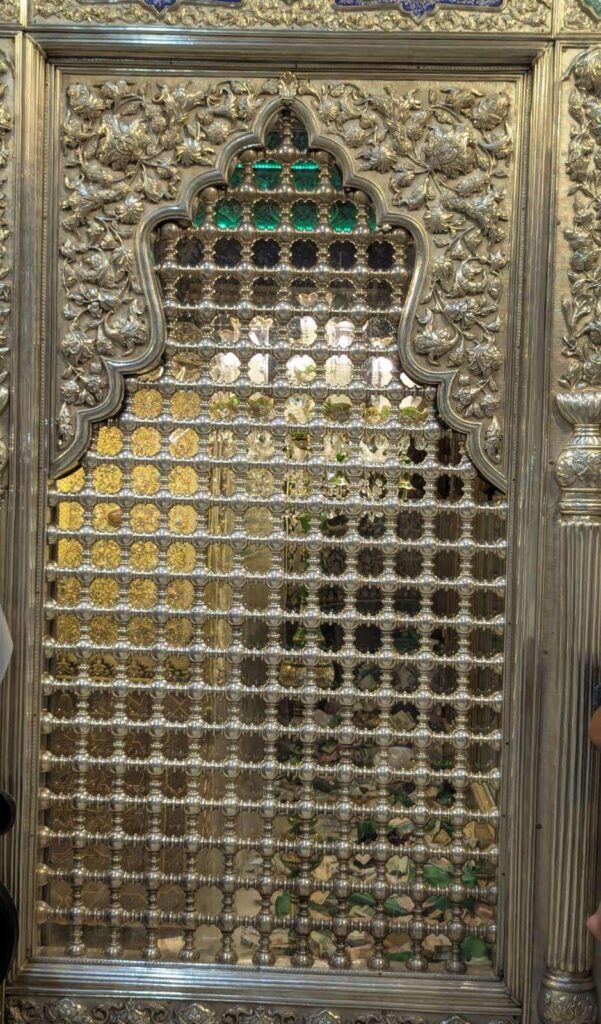
Muslim ibn Aqeel RA was the relative of the Prophet ﷺ and the son of Aqil ibn Abi Talib. Muslim ibn Aqeel RA is remembered for his bravery and moral uprightness. The Kufans welcomed Muslim and overwhelmingly pledged to support Hussain RA against the Umayyad rule. Therefore Muslim RA wrote a letter to Hussain RA and urged him to come to Kufa, thus Hussain RA left Makkah. In the meantime Muslim was executed whilst Hussain was unaware.
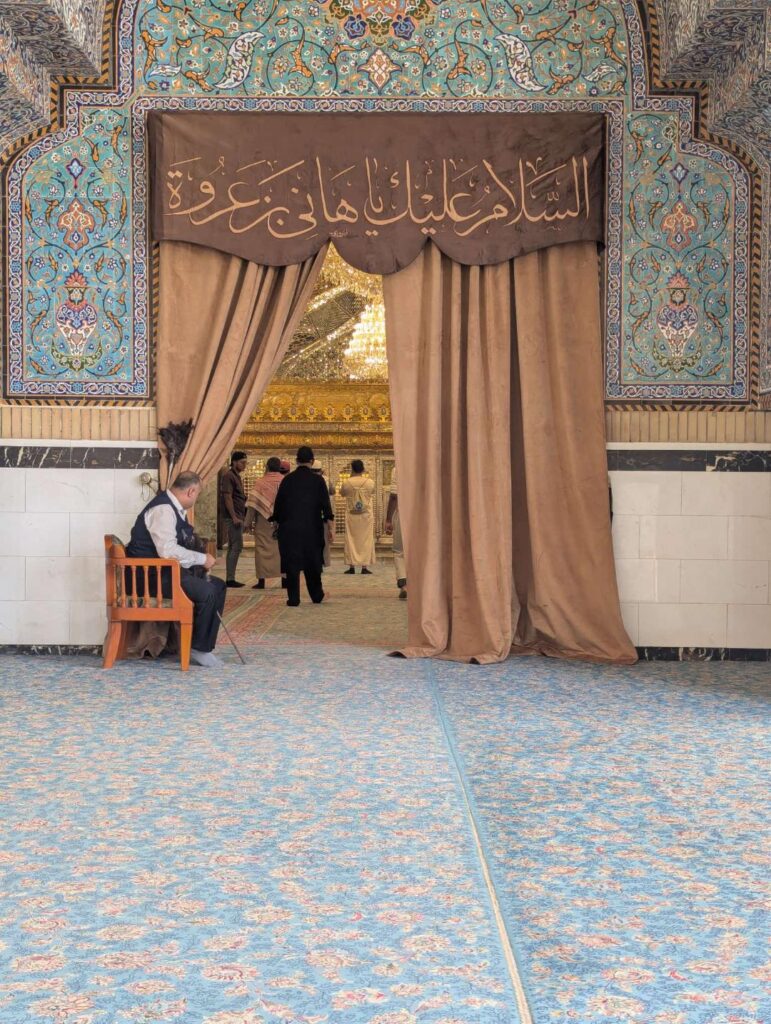
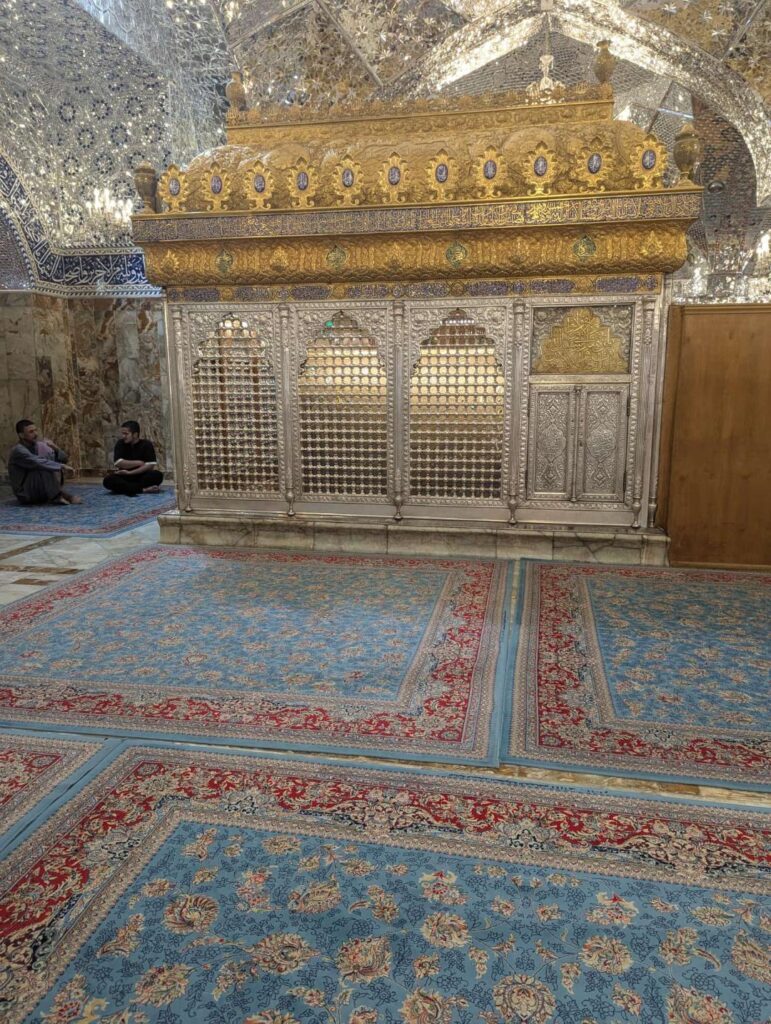
Who is Hani ibn Urwaah RA?
A Kufan leader who hosted Muslim ibn Aqeel RA. He was later killed by Ubayd Allah ibn Ziyaad, the governor of Kufa.

Why was Hani killed? Yazeed asked Hani, is Hussain on Haqq or me? Hani RA said: "Without doubt, Hussain RA is on the truth!" Yazeed ordered for him to be killed. This is the price you pay for standing on truth and principles. You may lose in this world, but the hereafter is yours.
Ismail ibn Nazir Satia (one who is in dire need of Allah’s forgiveness, mercy and pleasure)
10 Rabiul Thani 1447